avg —
Buryat Buuzy (Posy)

Instructions
So that the dough is easy to work with, it needs to rest a little, so I start the buuzy with it. Break the egg into a bowl of sifted flour and mix.
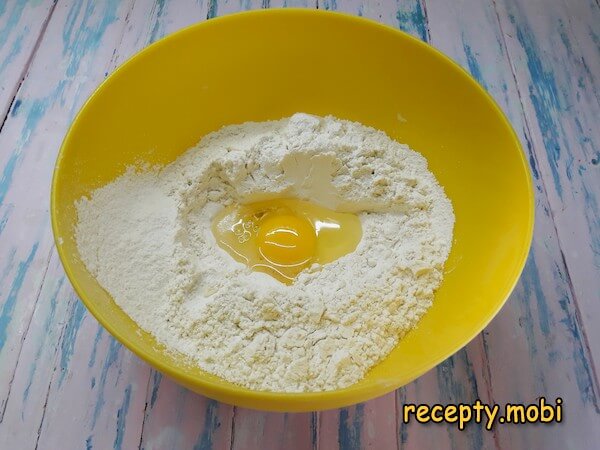
Add the salt and water. While the mixture is still hot, stir it with a spoon. Then gather the lumps together and turn them out onto a table well dusted with flour for kneading.
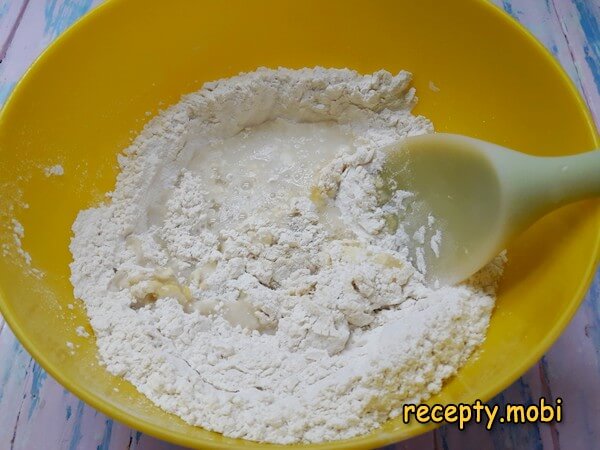
Knead the dough by hand until it becomes smooth and uniform.
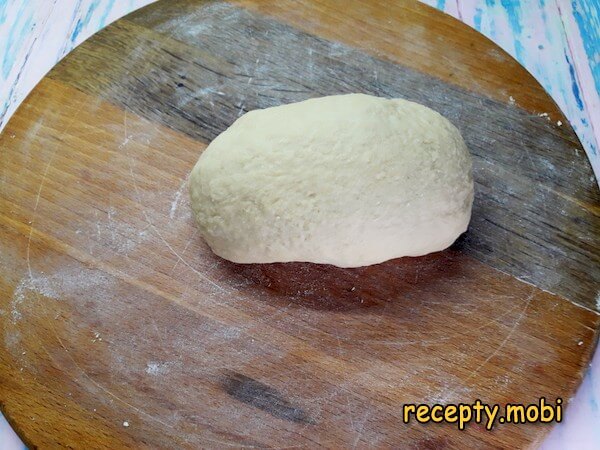
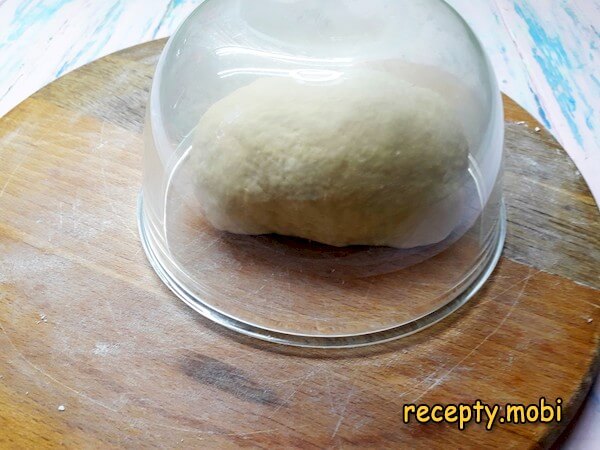
Put the ball of dough under a bowl so that it can rest there.
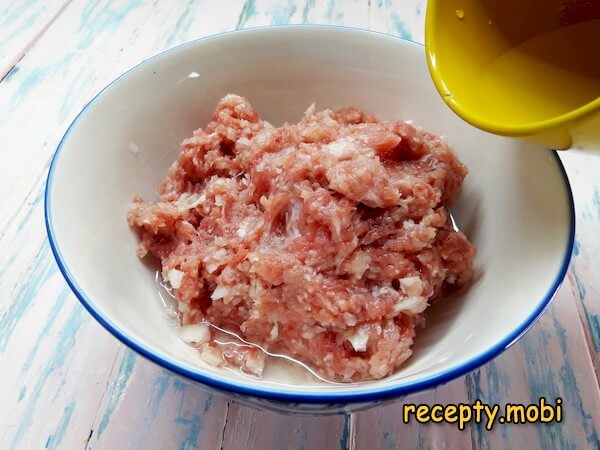
Meanwhile, grind the meat together with the onion into mince. Add the water and salt.
Separate a third of the dough, roll it into a sausage and divide it into 4 parts.
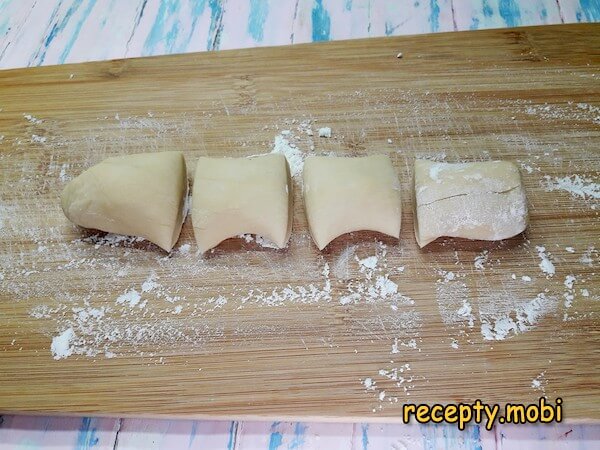
Flatten the ends of the pieces, dipping them generously in flour.
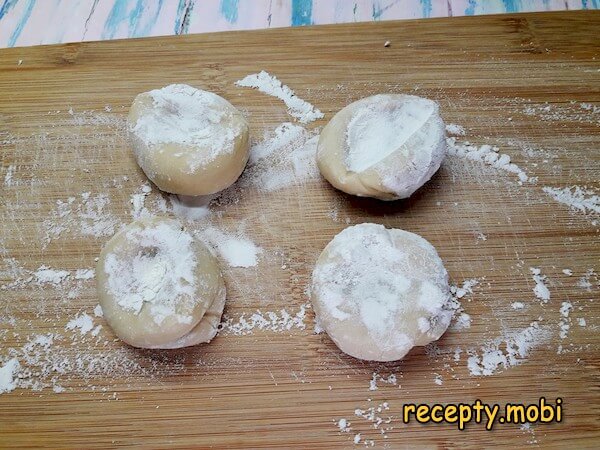
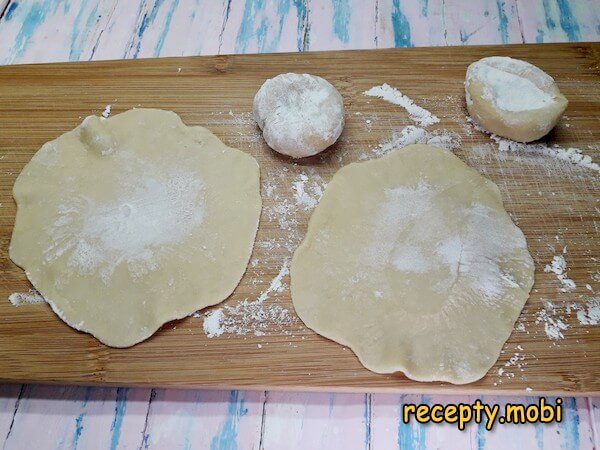
Roll out a circle about 9 cm in diameter, keeping the middle thicker and going over the edges several times with the rolling pin so that they become thinner. When you shape the buuz, a large number of the pleats will be formed from the outer parts of the round, and in the end they will reach the same thickness as the base.
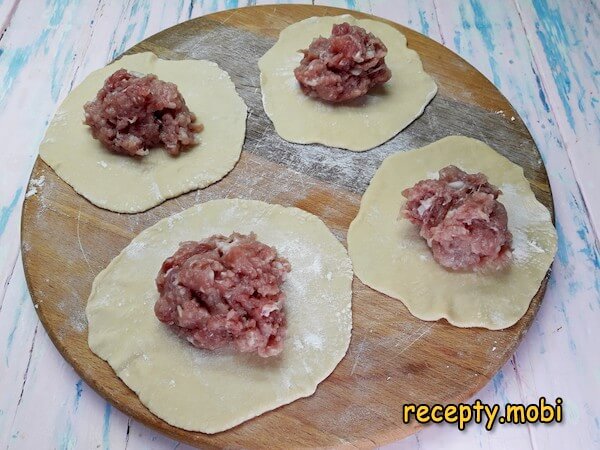
Place a tablespoon of filling – even a small heaped one – in the centre.
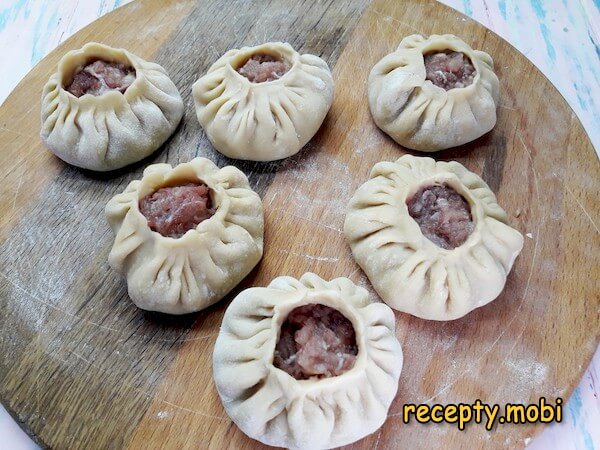
Start folding the buuz around your finger, making very small pleats – ideally there should be 33 of them. A small hole will remain in the centre.
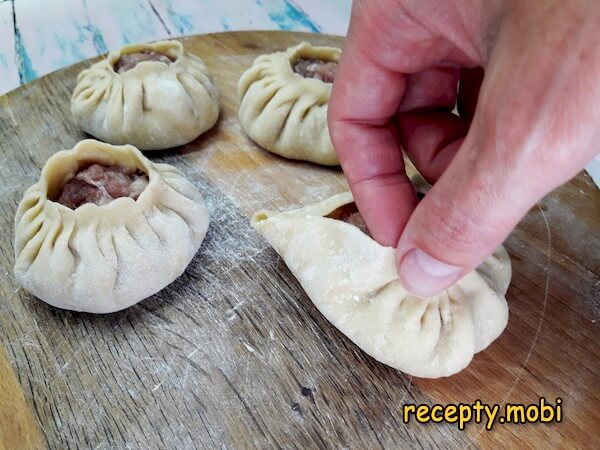
The prepared buuzy can be frozen and steamed later, or you can do it straight away.
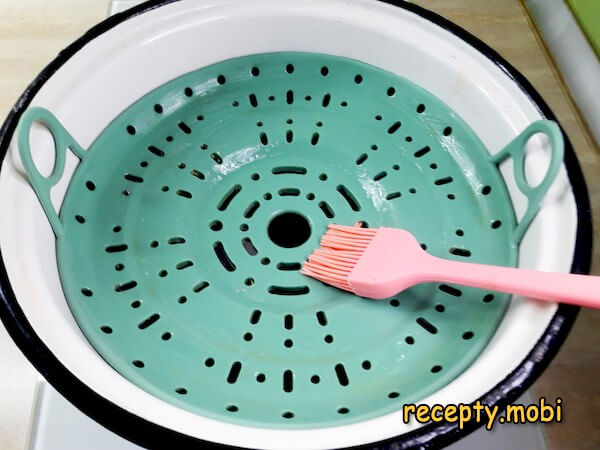
Any kind of steamer is suitable for cooking buuzy, even the most basic one. While the water boils it must not touch the surface of the grate, which you should grease with a thin layer of vegetable oil.
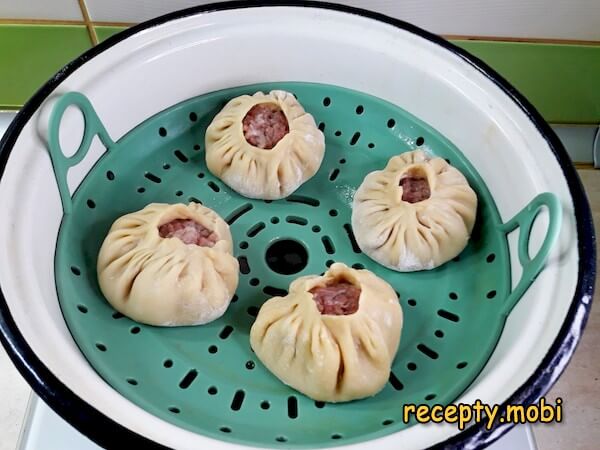
Arrange the Buryat posy in the steamer so that they do not touch each other. Cover with a lid and cook for 20 minutes.


Tips
- 1
A thicker centre than the edges is the secret of Buryat shaping. The pleats around the edges even out the thickness, while the base stays sturdy enough.
- 2
Water in the filling is the secret of the broth. The 50 ml of water give a rich broth inside, which you first "suck out" through the hole.
- 3
The 33 pleats are an authentic tradition (like the folds on a monk's robe). In practice 15–20 are enough; the main thing is to close the edges evenly.
- 4
20 minutes of steaming is optimal. Any less and the filling is raw; any more and the dough "falls apart". The same principle works for other kinds of steamed dumplings and manty.
FAQ
Which meat should I choose? +
The ideal is lamb with some fat (a classic of Buryat cuisine). Alternatives are beef with lard at 80/20, a 50/50 pork-and-beef mince, horse meat (historically authentic), or a mix of lamb and beef. Do not use chicken mince (too dry for buuzy) or turkey (also drier). Fat at 20–25% is essential for the broth to form. Grind the meat on the coarse plate of the mincer for a "rustic" texture. Onion at about 1/5–1/6 of the weight of the meat is the "Buryat" proportion. Fresh meat is better than frozen.
How are buuzy different from manty? +
Buuzy (posy) are a national dish of Buryatia, Mongolia and Kalmykia. Manty are an Uzbek/Kazakh dish. They look similar, but: 1) buuzy are made with a hole on top for the broth, while manty are usually fully closed; 2) buuzy have water added to the mince for broth, while manty have a dry filling; 3) buuzy traditionally have 33 pleats, while manty have 4–6 simple pleats; 4) buuzy are large (about 1 tbsp of filling), while manty are even larger (2–3 tbsp); 5) the shape of buuzy resembles a yurt, while manty look like a "little boat" or a "rose"; 6) buuzy are eaten by hand without cutlery, while manty are eaten with a fork or by hand.
How long do buuzy keep? +
Cooked buuzy keep in a container in the fridge for 2 days. Reheat them by steaming for 5–7 minutes or in the microwave for 1–2 minutes under a lid. Raw shaped ones keep in the freezer for up to 3 months. Freeze them spread out on a board, then tip them into a bag so they do not stick together. Cook them straight from frozen, without thawing – steam for 25–30 minutes (5–10 minutes longer than fresh ones). Do not leave raw buuzy at room temperature for longer than 30 minutes, or the dough will start to "run".
What should I serve buuzy with? +
The Buryat classic is to eat them by hand, without cutlery (this matters!). First you "suck out" the broth through the hole, then eat the main part. Modern additions: thick sour cream (a must), soy sauce, garlic sauce or adjika. Fresh herbs (coriander, parsley, dill). With a cup of green tea for a "Mongol-Buryat" serving. With black bread or flatbreads. Allow about 5–7 buuzy per person for a family meal. For a children's meal, serve them without spicy sauces.
- Comment
or post as a guest
Be the first to comment.