avg —
Liver sausage at home

Instructions
Prepare the ingredients. Various offal can be used for liver sausage, and the amounts are flexible. The main thing is that the mixture includes fat and that the liver is not boiled beforehand.
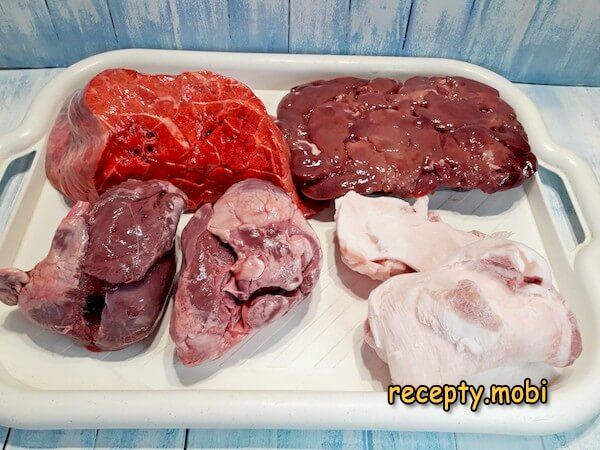
Cut the lung into 2 or 3 large pieces. Put them, along with the fat and the heart, into a large pot.

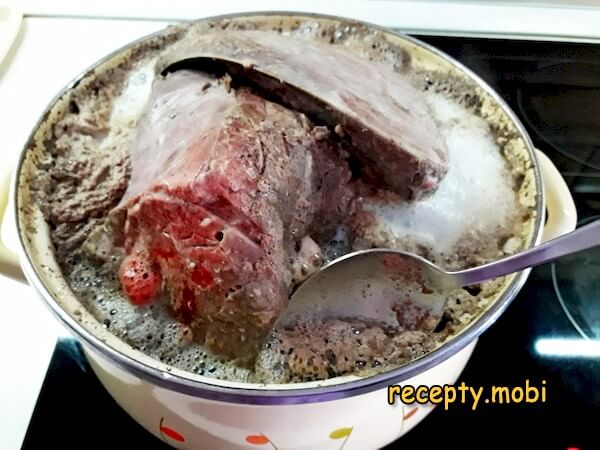
Pour water over everything and put it on to cook. The lung will keep trying to float to the very top, so it needs to be pressed down with a lid. As foam forms, skim it off with a spoon or slotted spoon. Do not salt the water. Boil the offal for 50 minutes.
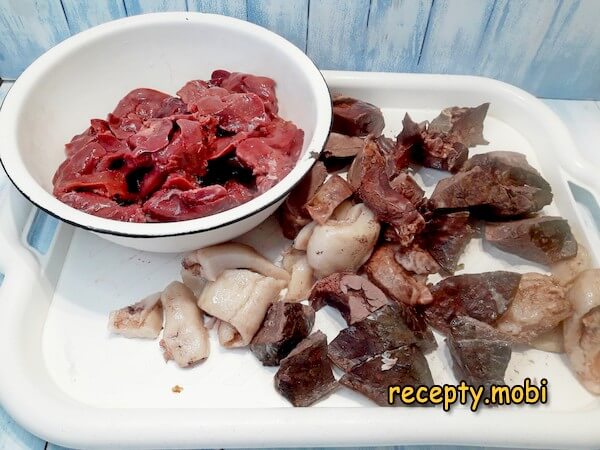
Once cooled, cut the large pieces into smaller ones that will be convenient to feed into the meat grinder. Raw chicken liver does not need cutting, but if you use pork or beef liver, it should be cut up too.
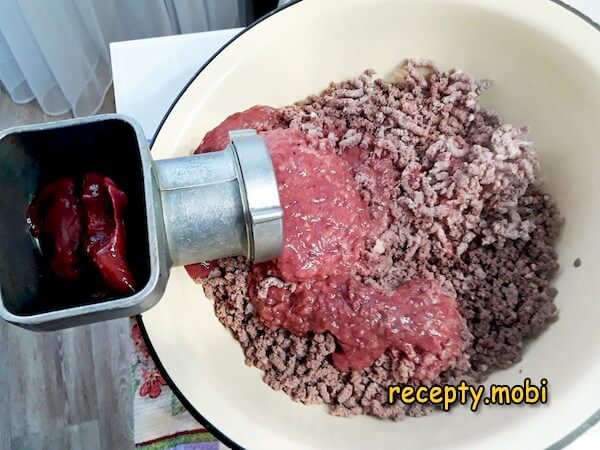
Next, grind everything into one bowl using the fine plate of the meat grinder.
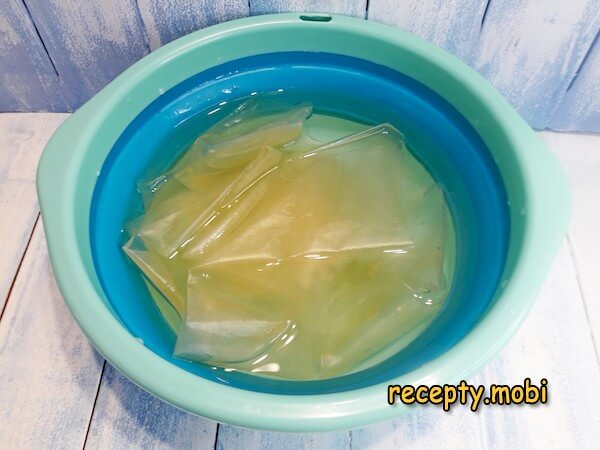
Soak the collagen casing for 5 minutes in brine (one tablespoon of coarse salt per litre of water). Rinse pork intestines under running water.
Squeeze the garlic into the mince.
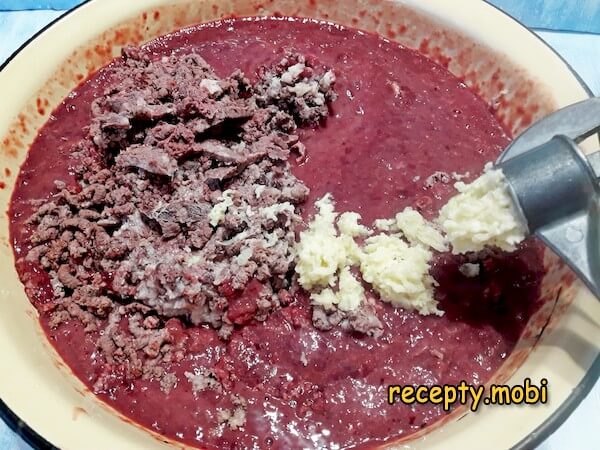
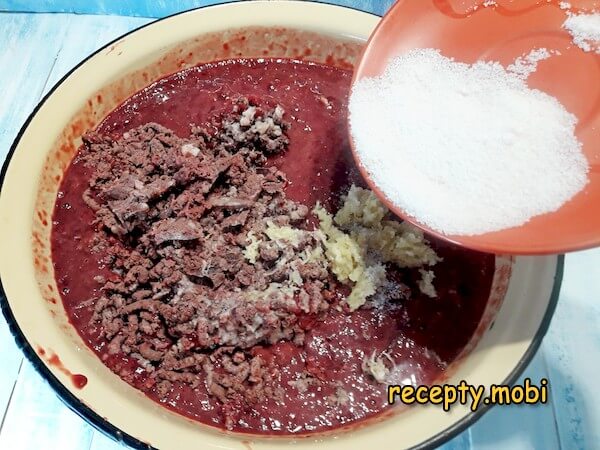
Add salt. To work out the right amount of rock salt, weigh the finished mince. You need 20 g of coarse salt per 1 kilogram. In this example the total weight came to 2083 grams, so 41 grams of salt is needed.
Add the pepper.
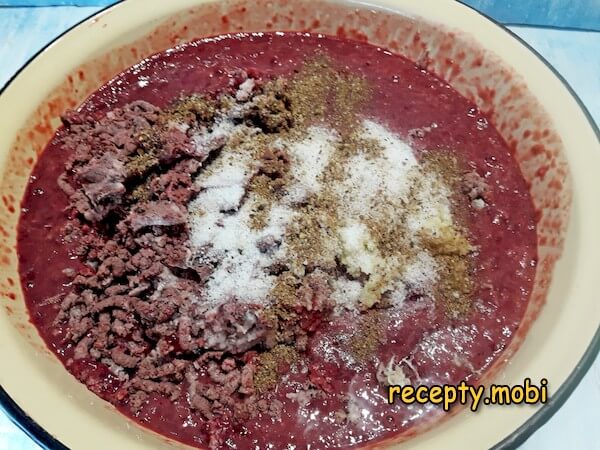
Mix everything thoroughly.
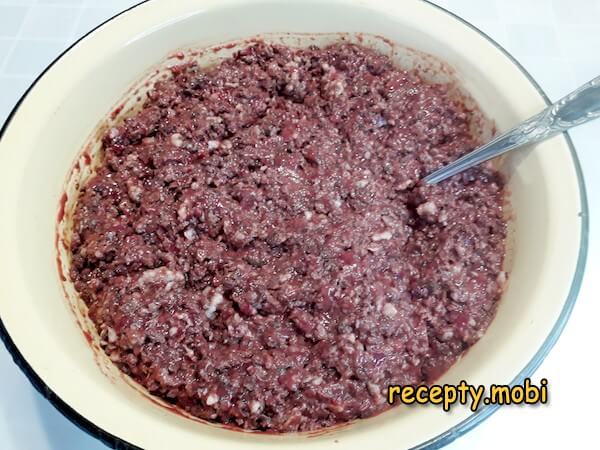
Fit the special sausage attachment onto the meat grinder. Stretch the casing over it and start filling the middle with mince, having tied the end with cotton string. Do not pack the intestine or collagen tightly – the sausage should be soft, as it will firm up during cooking.
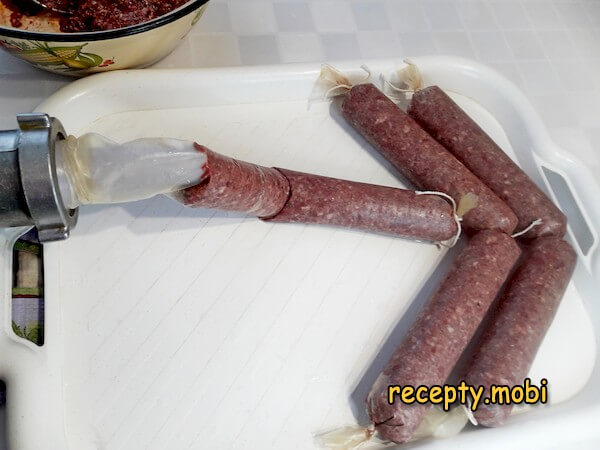
Fill all the casings this way – they can be tied in the middle, or you can make them small-sized straight away.

Next, use a thick needle to make several pricks all over the surface of the casing, so that it does not burst when heated and the air bubbles can escape on their own.

Put the prepared sausages into a pot and cover them with cold water.
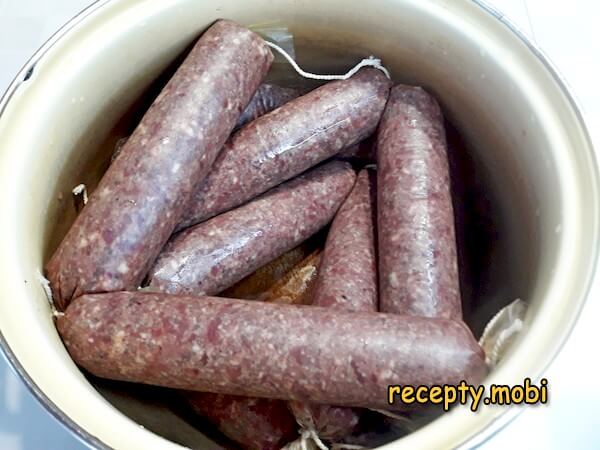
Turn the stove on low – the sausage should warm up gradually and evenly. Do not salt the water and do not let it come to a boil. Once the temperature reaches 80 degrees (small bubbles will form at the bottom, which is almost boiling but not quite), cook the loaves for exactly 1 hour.

The homemade liver sausage is ready. It needs to be cooled. The liver sausage tastes wonderful, so it can be eaten either warm or chilled. It is very tasty to brown a few of the small loaves in a pan and then cut them into slices. The sausage can be served with any side dish, or simply with fresh vegetables and bread. On top of everything else, it is also a budget-friendly meat appetiser.



Tips
- 1
Raw liver is the secret to tenderness. Boiled liver gives a dense, dry mince. Raw liver added to the other, already boiled offal makes the sausage tender and silky.
- 2
20 g of salt per kg is the secret to the flavour. It is easy to over- or under-salt by eye. The exact ratio of 20 g of rock salt per 1 kg of mince is the perfect balance.
- 3
Pricking with a needle is the secret against bursting. The air inside expands when heated and the casing splits. A few pricks in several places let the bubbles out and keep the casing intact.
- 4
80 °C without boiling is the secret to juiciness. Boiling water tears the casing and robs the sausage of its juices. Only 80 °C over low heat lets the sausage warm through evenly. The same principle works for other kinds of homemade sausages and frankfurters.
FAQ
Which offal should I choose? +
Ideally, fresh beef lung, pork heart and chicken liver, as in the recipe. Possible alternatives are a mix of pork and beef lung (575 g), chicken hearts and gizzards (875 g), pork or beef liver (900 g), a mix of chicken and pork liver (450 g each), turkey liver and heart (700 g), or streaky fat (400 g). Do not use offal with a strong smell, anything refrozen, or anything past its use-by date. Fresh, pink offal with no unpleasant odour is essential.
What can I use instead of a collagen casing? +
Alternatives include natural pork intestines (3 m), lamb intestines (3 m, thinner), beef bung for large loaves, parchment paper rolled into shape (3 m, for baking), polyamide casing (3 m, convenient and good for longer storage), or a baking sleeve used as a mould. Do not use household plastic bags or foil on its own, as it will tear. For the classic result, food-grade natural or collagen casing is essential.
How long does homemade liver sausage keep? +
In the refrigerator, in a tightly closed container, for 4 to 5 days. On the second day the flavour becomes richer, as the spices soak deeper into the mince. Before serving, eat it cold or brown it in a pan for 5 minutes. In the freezer it keeps for up to 2 months in sliced loaves; defrost it in the refrigerator. Do not leave it at room temperature for longer than 4 hours.
What should I serve liver sausage with? +
A classic for open sandwiches: with slices of dark Borodinsky bread and butter, or toast with mustard. It goes well with pickled onions, salted cucumbers, sauerkraut, horseradish with sour cream, dill and parsley, boiled or fried potatoes, an omelette for breakfast, a green salad, pickled mushrooms or fresh sliced tomatoes. It is a natural liver sausage for sandwiches and party snacks.
- Comment
or post as a guest
Be the first to comment.