avg —
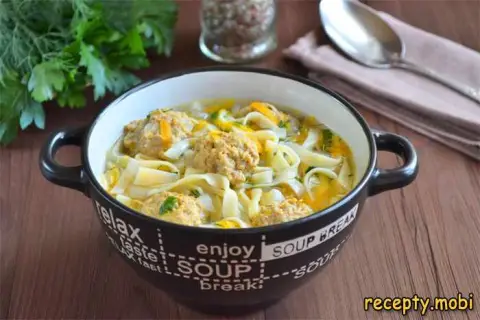
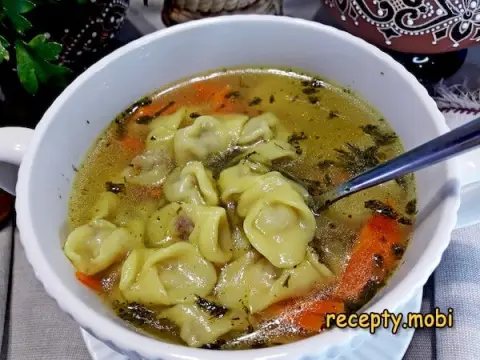
Meatball and Dumpling Soup

Instructions
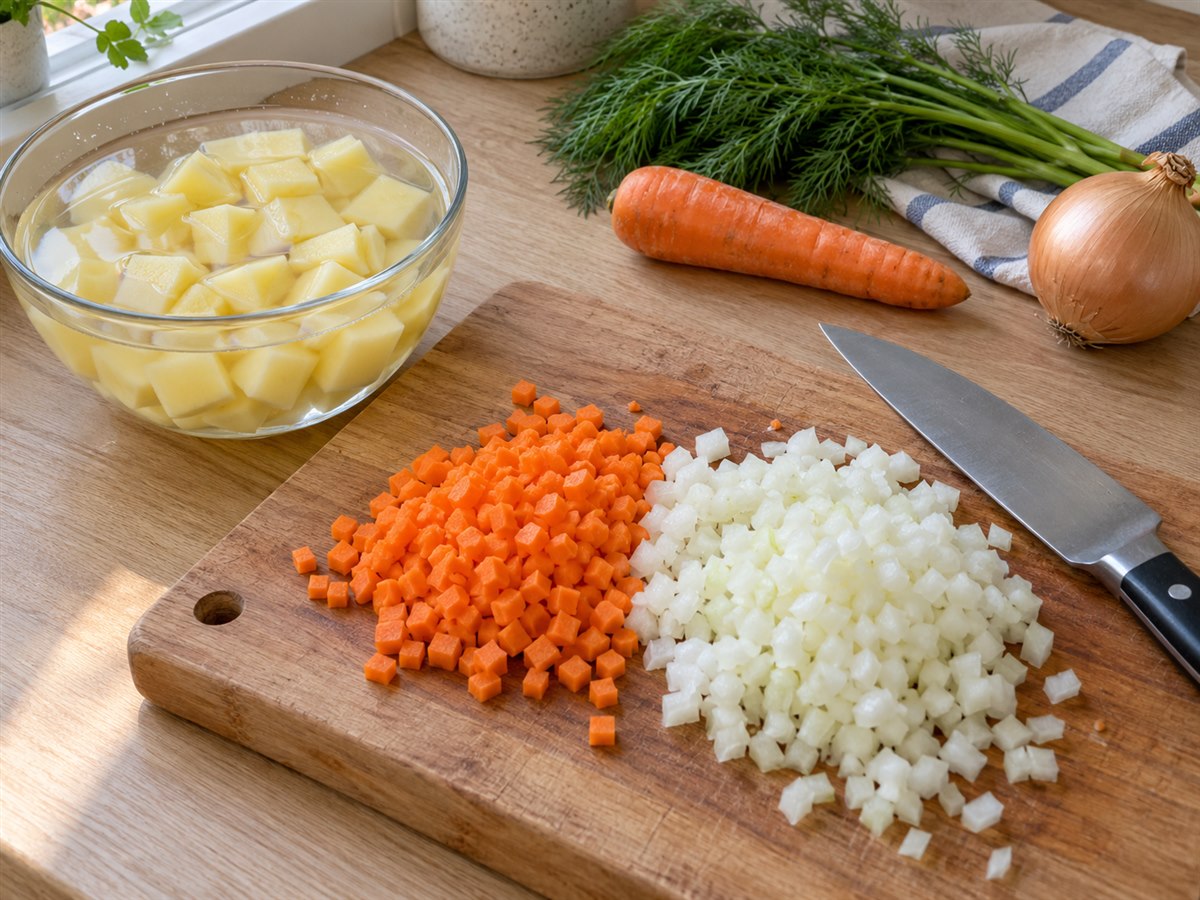
Prepare the vegetables. Cut the potatoes into cubes about 1.5 cm across and finely dice the carrot and soup onion. Finely grate the separate onion portion for the meatballs. Wash and dry the dill. Set out a pot holding at least 4 litres and a separate clean plate for the raw meat.
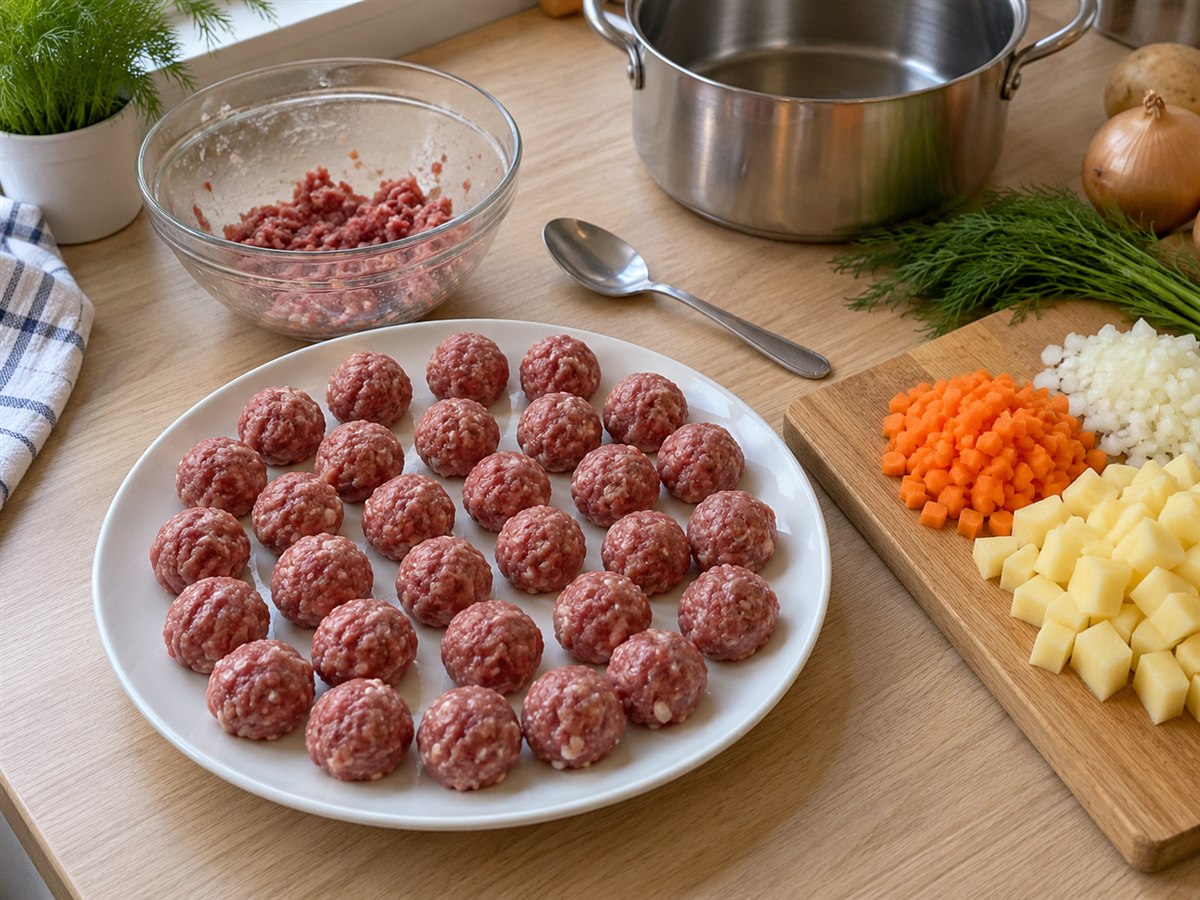
Shape the meatballs. Mix the cold beef with its grated onion, meatball salt and black pepper. Work for about a minute until slightly tacky, without adding egg, rice or breadcrumbs. With damp hands form roughly 28-30 small balls about 3 cm across. Put on the clean plate and refrigerate while you prepare the soup base. Wash hands and utensils after handling raw meat.
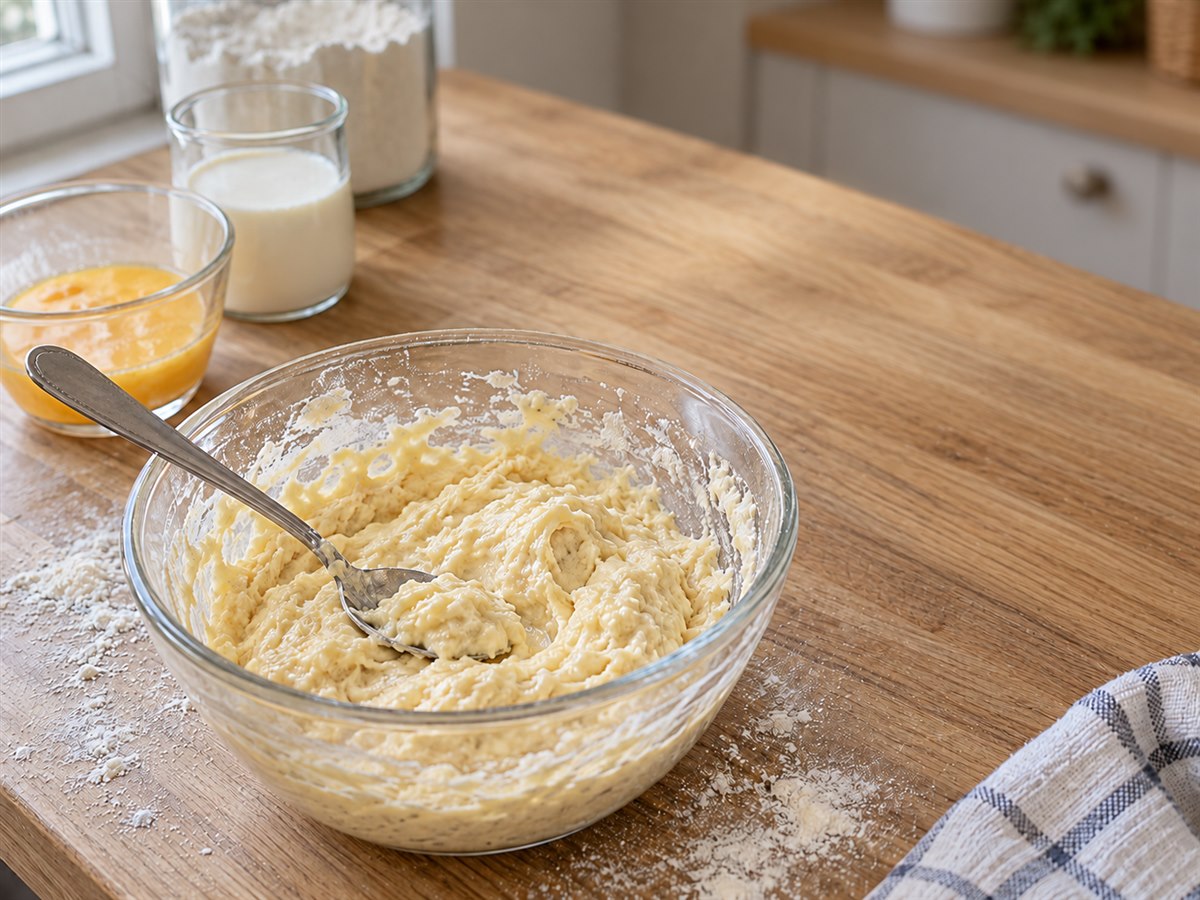
Mix the dumpling dough. Stir the egg with the milk and dumpling salt. Add the flour and mix with a spoon into a smooth soft sticky dough. Cover and rest for 5-10 minutes. It should move slowly from a spoon, not pour in a thin stream or form a firm rolling dough. Do not immediately add more flour.
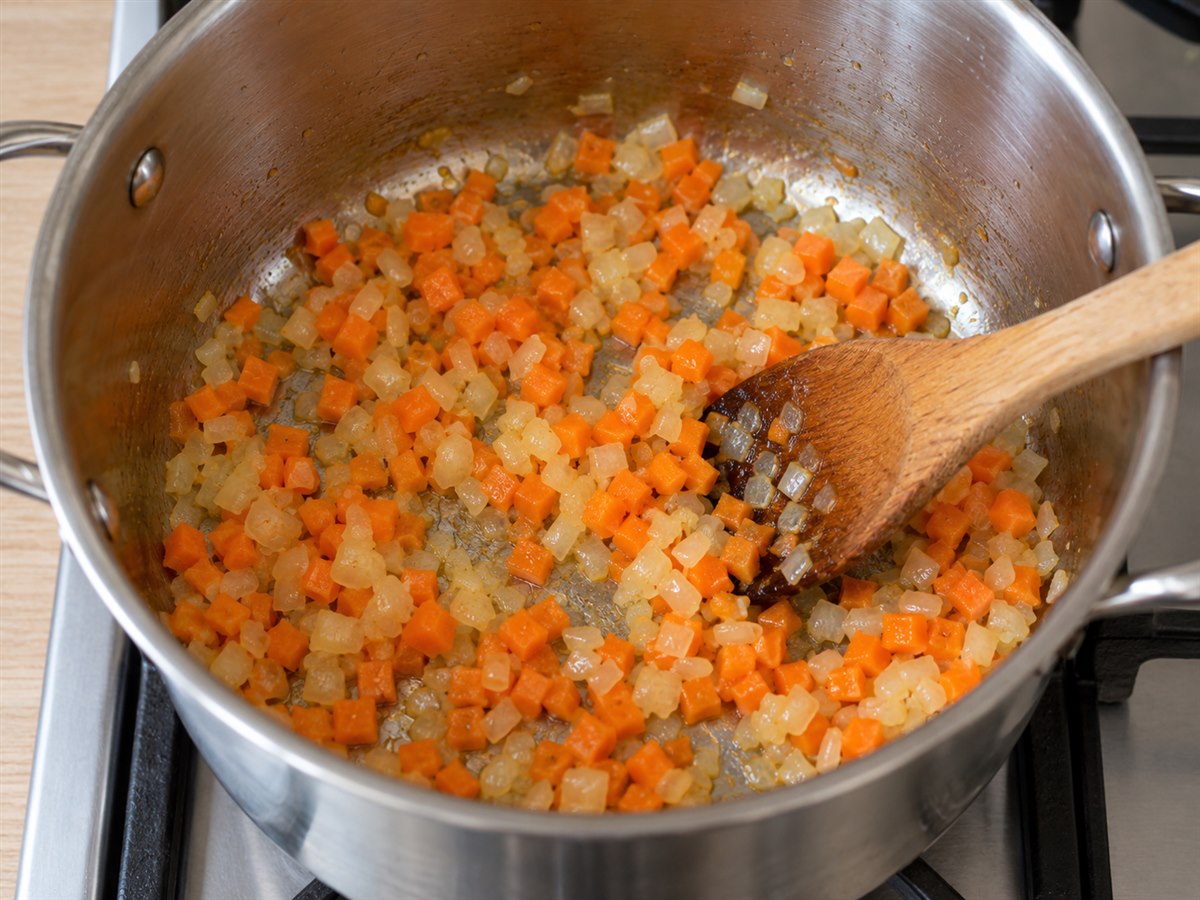
Soften the vegetables. Heat the oil in the heavy-bottomed soup pot. Add the soup onion and carrot and cook over medium heat for 5-6 minutes, stirring. The onion should soften and become translucent without a dark crust. Do not leave it unattended while shaping the meat or mixing dough.
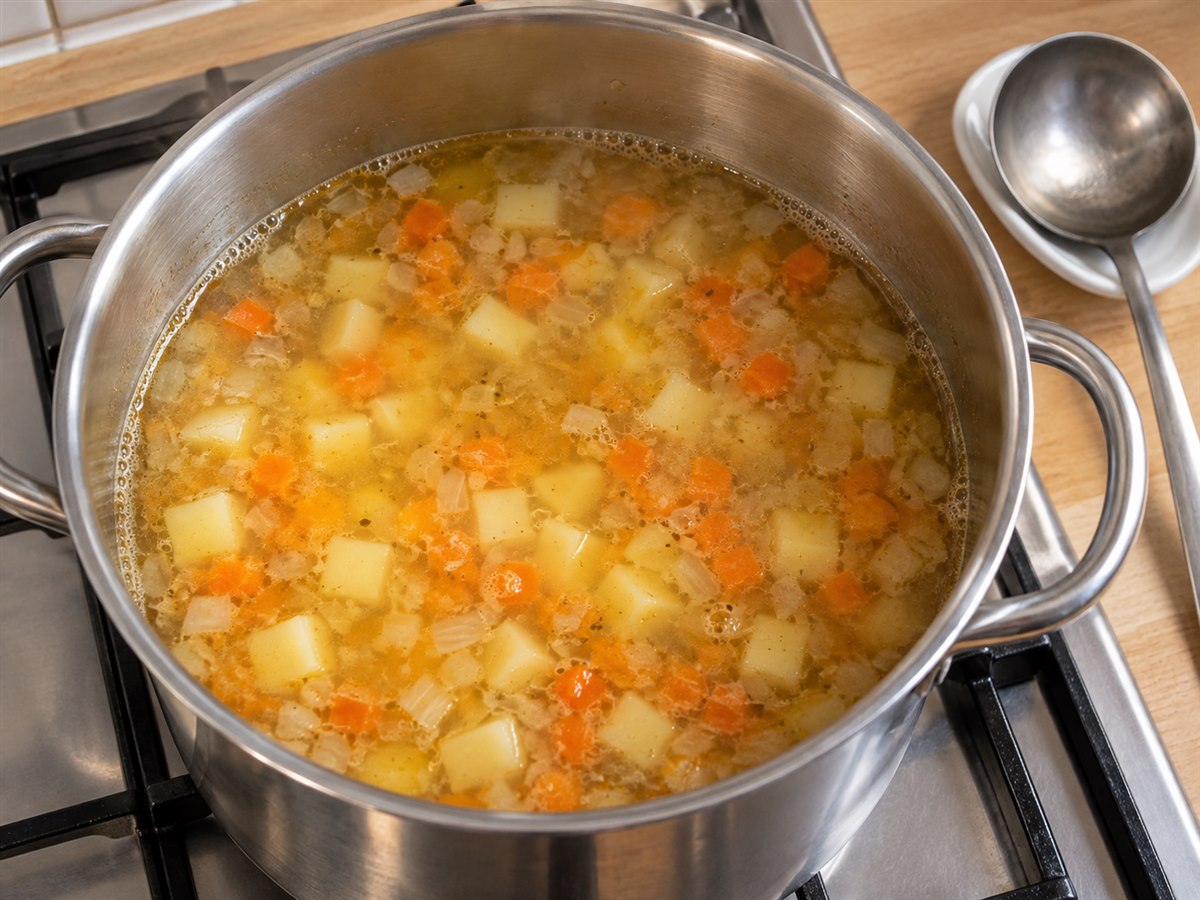
Start cooking the potatoes. Carefully add the soup water, potatoes, bay leaf and soup salt. Bring to the boil, then reduce to a gentle simmer. Cook for 8-10 minutes until the potatoes begin to soften but are not falling apart. Skim any foam if needed.
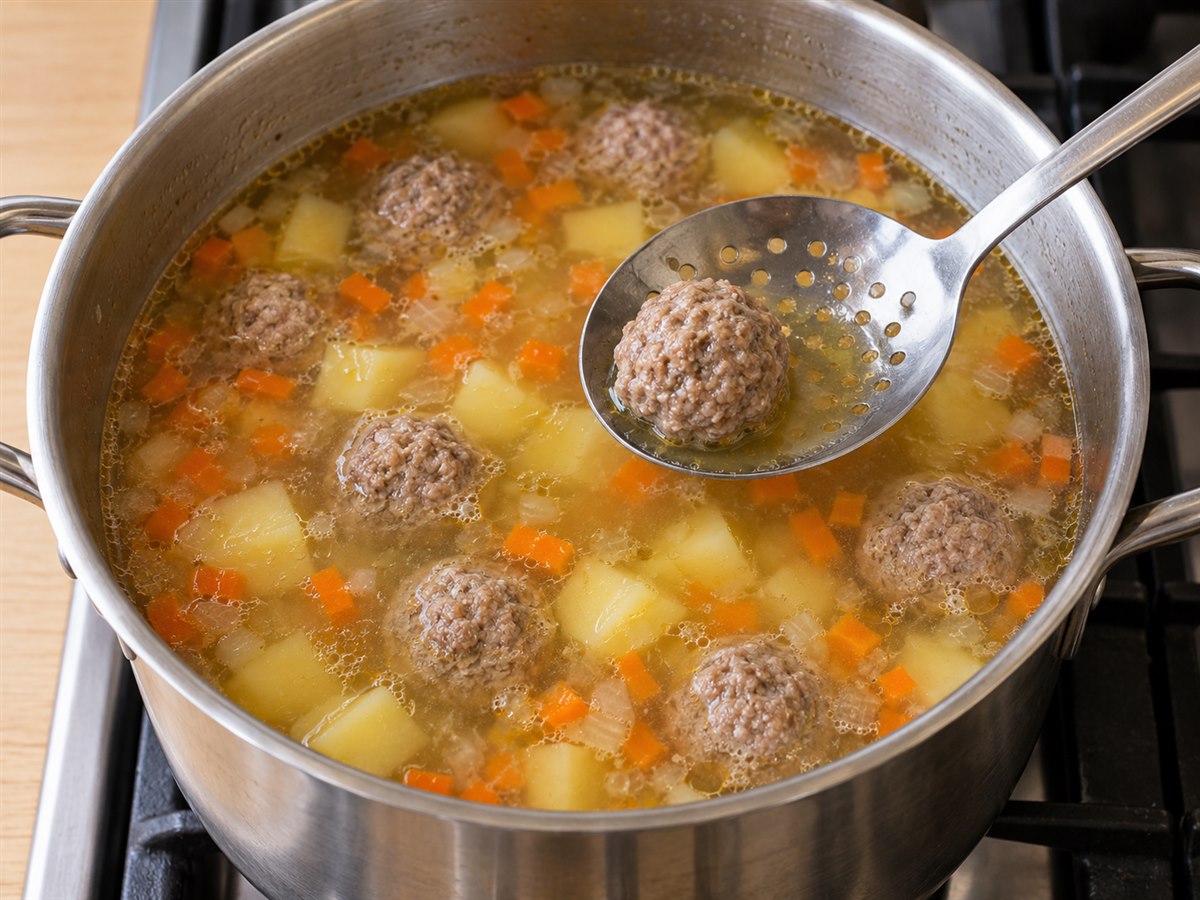
Add the meatballs. Lower the chilled meatballs into the gently simmering base one at a time. Let the gentle simmer return, skim any foam and cook for 8-10 minutes. Avoid vigorous stirring during the first minute so the balls can set. They will continue cooking when the dumplings are added.
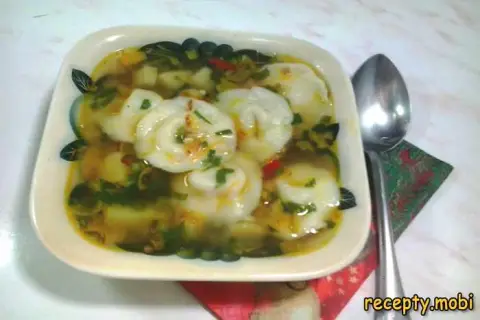
Cook the dumplings. Dip two teaspoons in hot liquid. Take a small portion of dough with one, about half a teaspoon, and push it into the soup with the other. Work around the pot so the pieces do not stick together. After the last addition, simmer gently for another 5-6 minutes. Cut the largest dumpling: there must be no raw flour paste inside. The centre of the largest beef meatball should reach at least 72 °C or 162 °F. Continue cooking and check again if either is not ready.
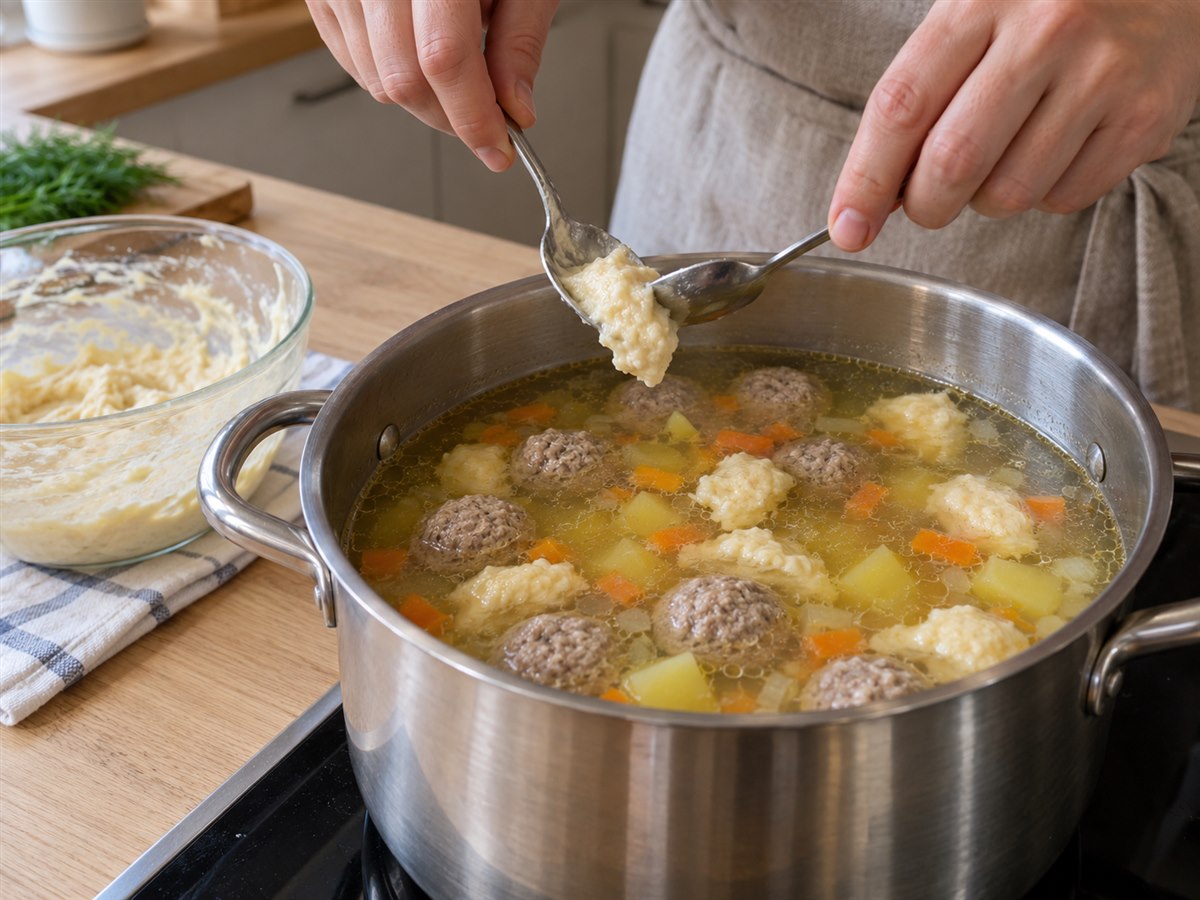
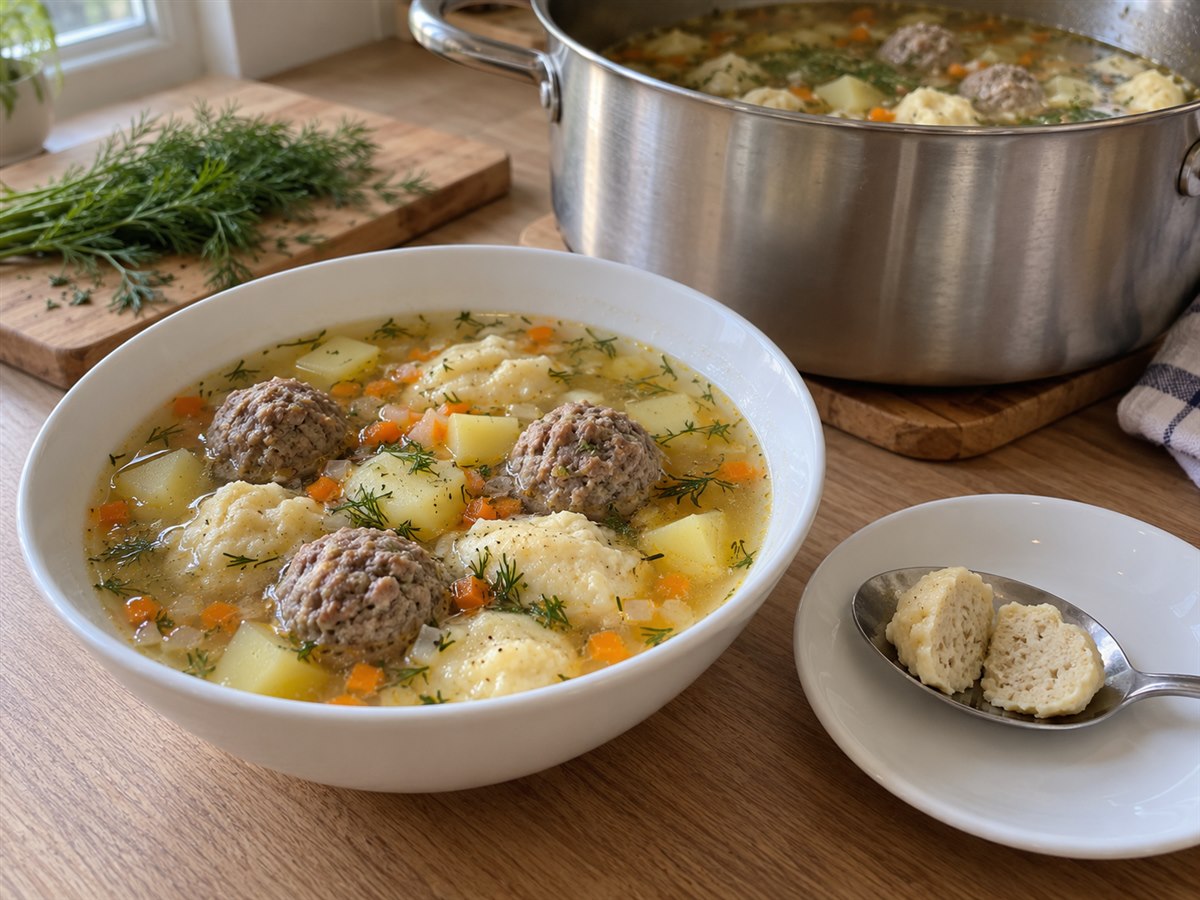
Finish and serve. Check the potatoes are tender, the meatballs have reached their target temperature and the dumplings are cooked inside. Remove the bay leaf, add chopped dill and taste the broth. Turn off the heat and rest covered for 5 minutes. Divide into 6 servings and serve hot. Floating alone does not prove that meatballs or dumplings are cooked through.


How the ingredients are divided
All amounts are for 6 servings. The onion is split into 40 g for the beef and 120 g for the soup. Salt is separated too: 4 g for the meatballs, 1 g for the dumplings and 7 g for the soup base. Do not add each amount more than once. The base recipe uses water, not ready-salted stock.
The 50 g shelled egg is roughly one medium egg. To scale, beat an egg and weigh the portion needed. Use milk with around 3% fat, plain all-purpose flour and unseasoned beef without added water or salt. The calorie estimate assumes beef with roughly 10% fat.
Soft dumplings: texture and portion size
Flours absorb liquid differently, so check how the dough behaves after resting as well as its weight. It is meant for spooning. If very dry flour makes it firm, start with one teaspoon of water and check again. Do not dilute it into a thin egg mixture.
You can cook one small test dumpling in the soup first, cut it and check the texture. If the dough is too loose, add flour in small amounts rather than a handful. Such adjustments change the actual weights and calorie estimate; they are not an uncounted part of the base recipe.
Oversized dumplings can soften outside while remaining raw inside. Use small portions and allow for expansion. Do not add the dough in one large lump. A rolling boil does not solve an oversized raw centre and can damage the surfaces.
Meatballs and temperature checks
The beef does not need the egg reserved for the dumplings. Salt and mixing help small meatballs hold together as they cook. Finely grate the onion and keep the raw mixture refrigerated until needed. Do not put cooked food onto the unwashed raw-meat plate.
This recipe uses a beef centre target of at least 72 °C or 162 °F. Measure the largest meatball with a thin food thermometer rather than relying on colour or floating. Ground poultry needs at least 74 °C or 165 °F. Larger or frozen meatballs need additional cooking time.
How this differs from related soups
This version combines small meatballs and spoon-dropped flour dumplings without noodles, rice or a long-simmered meat stock. See also meatball and noodle soup and pork rib soup with fluffy dumplings. Those use a different soup base or starch component.
Thickness, portions and calories
Dumplings absorb liquid during storage, making the soup thicker the next day. Add a little water when reheating an individual portion if needed, then check the seasoning. Do not add rice or noodles to the base recipe without adjusting the liquid.
The serving calculator changes ingredient weights, not cooking time or pot capacity. For a larger batch, use a suitably roomy pot and keep the same meatball and dumpling sizes. The estimated 1 hour 5 minutes includes preparation, heating, cooking and a 5-minute rest, but varies with the hob and pot.
About 290 kcal per one-sixth of the pot is an estimate without sour cream or serving extras. The sautéing oil is included. Beef fat content changes the result. Calories per 100 g require weighing the cooked soup without the pot because evaporation has not been measured.
Storage and reheating
Do not leave a full pot on the counter overnight. Divide leftovers into shallow containers and refrigerate at 4 °C or 40 °F or below within 2 hours of cooking, or within 1 hour if the room is above 32 °C or 90 °F. Use within 3 days.
Reheat only the amount needed, stirring, until it reaches at least 74 °C or 165 °F throughout. Bringing the soup liquid to the boil is useful, but also make sure the meatballs and dumplings are hot in their centres. Hot edges alone do not prove the whole portion is reheated.
Recipe video: Meatball and dumpling soup
Important: This Russian-language video is related to the recipe. Follow the quantities and method in the text.
Images are AI-generated.
A quick meatless alternative
For a different soup without mince or flour dumplings, try potato egg drop soup. Beaten eggs form soft ribbons directly in the hot potato and vegetable broth.
FAQ
What mince should I use? +
The base recipe uses minced beef with moderate fat, around 10%. Fattier meat changes the broth and calorie estimate. If using minced chicken or turkey, check the centre reaches at least 74 °C or 165 °F rather than using the beef target.
Do the meatballs need an egg? +
Not in this version. Small chilled meatballs hold their shape when the beef is mixed with salt and grated onion. All the egg listed in the recipe goes into the dumpling dough, not the meatballs.
Why are my meatballs breaking apart? +
A loose watery mince, large onion pieces, insufficient mixing or a rolling boil can contribute. Grate the onion finely, chill the mixture and lower the balls in one by one. Avoid vigorous stirring during the first minute.
What should the dumpling dough look like? +
Soft and sticky enough to portion with two spoons. After a short rest it moves slowly off the spoon. A firm rolling dough makes denser dumplings, while a thin stream can disperse in the broth. These are small flour drop dumplings, not filled dumplings or noodles.
Why are the dumplings tough? +
Too much flour or portions that are too large are common causes. Weigh the shelled egg and milk, let the dough rest briefly and use small spoonfuls. Prolonged cooking to reach the middle of a huge lump is not a substitute for correct size.
Are floating dumplings definitely cooked? +
No. Floating is a guide, but the largest dumpling must have a cooked centre with no raw flour paste. Keep the soup gently simmering after the final addition and cut a large dumpling to check.
Can I use frozen meatballs? +
Yes, but the cooking time for fresh chilled balls does not transfer automatically. Add in small batches, allow the simmer to return and measure the centre temperature. Packaged products may also change salt levels and calories.
Can I make the dumplings without milk? +
Replace the 30 g milk with the same weight of water if needed. This does not mean the egg can be omitted or all the flour replaced without reformulating the dough. Gluten-free flour is not an automatic substitute for wheat flour.
- Comment
or post as a guest
Be the first to comment.