avg —
Pasta Sauce

Instructions
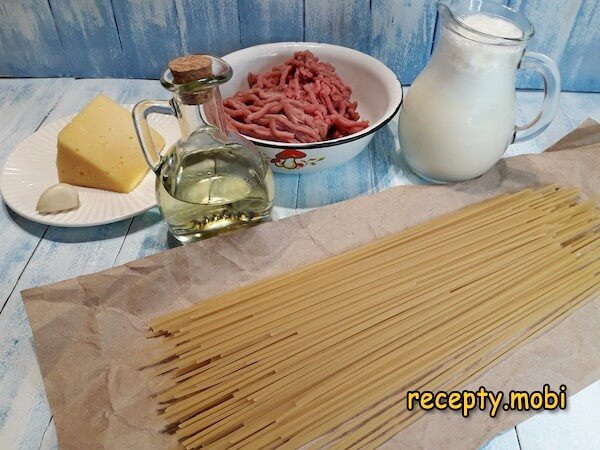
I prepare the ingredients for the pasta sauce. Instead of spaghetti you can take pasta of any shape and length – it won't affect the taste. It's better to use cream with a fat content of at least 20 percent: the richer the cream, the tastier the pasta will be. The ideal choice is 30% cream or cream specially marked "for sauces".
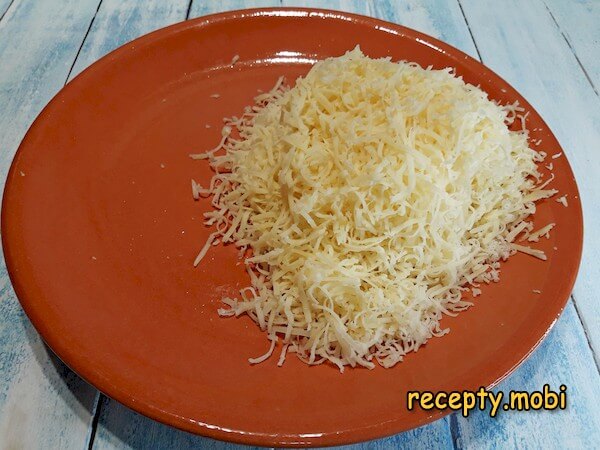
I grate the cheese – a fine grater is needed so that the cheese melts quickly in the hot sauce and spreads evenly without lumps.
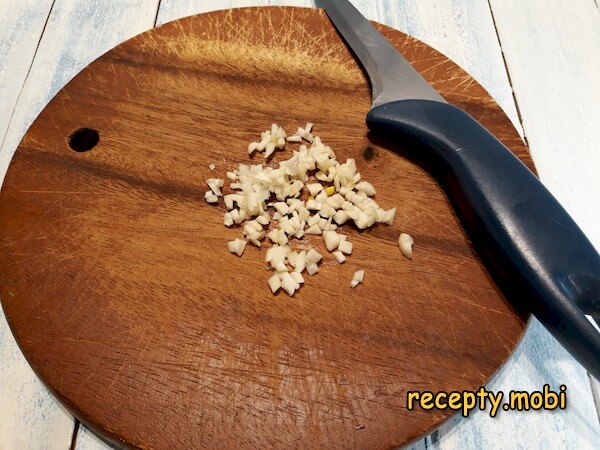
I chop the garlic with a knife – with a knife specifically, not through a press. Pressed garlic gives a "blurred" flavour, while chopped garlic keeps recognisable accents in the finished sauce.
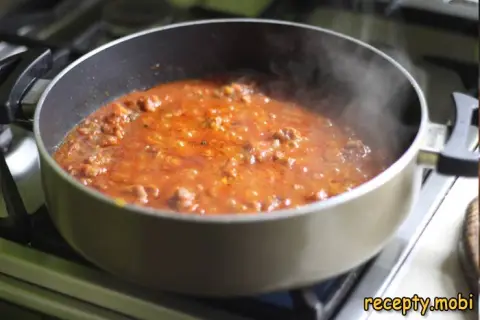
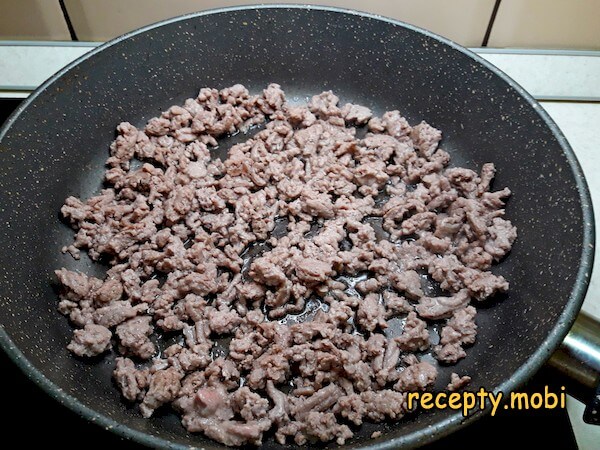
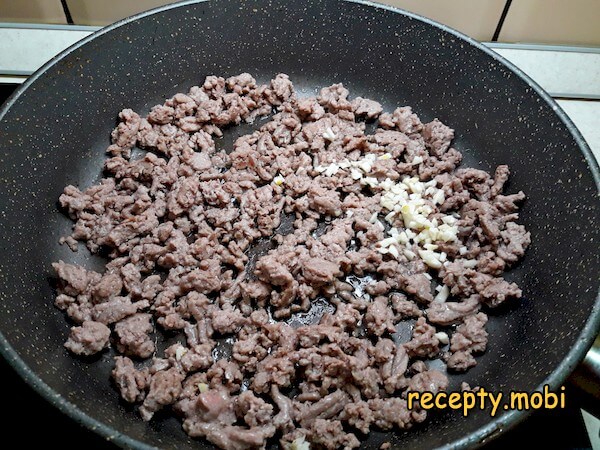
I add the minced meat to the heated oil. With a spatula I break up the clumps that form, frying them over medium heat for about 3-4 minutes – medium heat specifically, not high, so the mince doesn't burn to a golden colour where it touches the pan.
At the end I add the garlic – right at the end of frying, not at the start. This way the garlic doesn't have time to burn and turn bitter, but it does have time to give its aroma to the oil and mince.
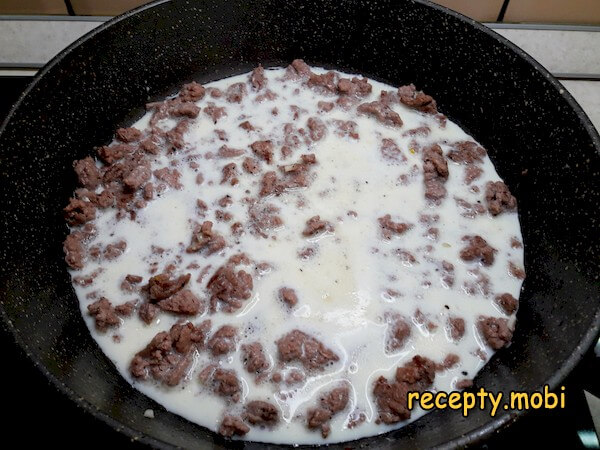
I pour in the cream and bring it to a boil, stirring the mixture the whole time – stirring keeps the cream from scorching against the sides of the pan and from separating.
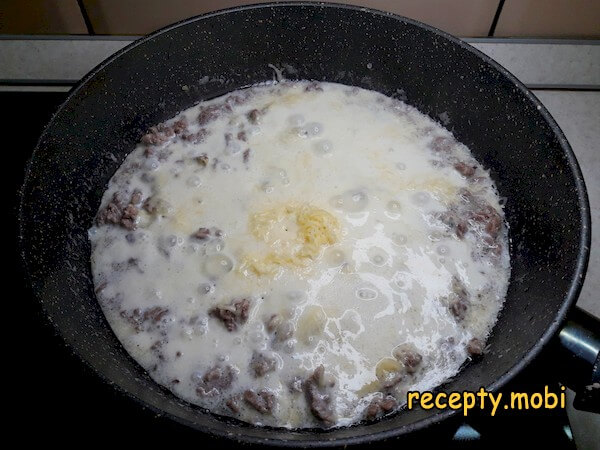
As soon as the first bubbles appear, I sprinkle in the cheese in batches, quickly stir the sauce and take it off the heat. The cheese should melt but not "boil" – otherwise it will separate into fat and protein.
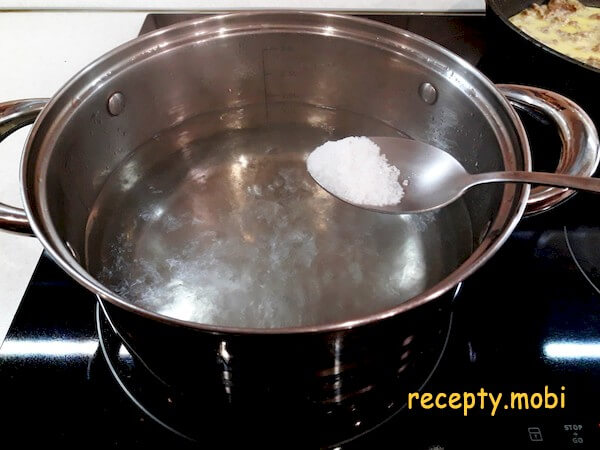
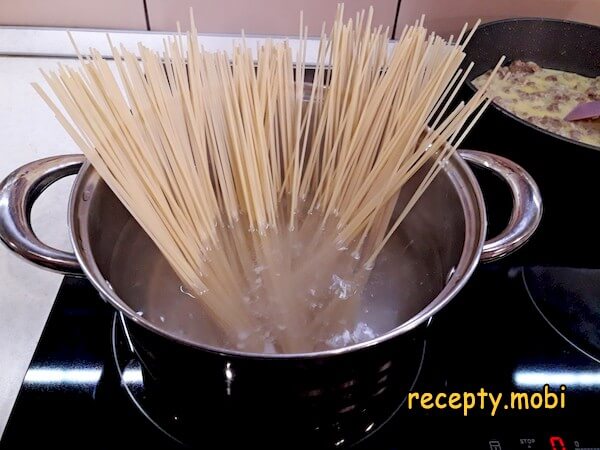
In a pot I bring water to the boil and salt it – the secret of Italian pasta is generously salted water, like the sea.
I drop the spaghetti into the boiling water and cook it until done (this takes about 5 minutes) – I go by the "al dente" mark on the packet for the best texture.
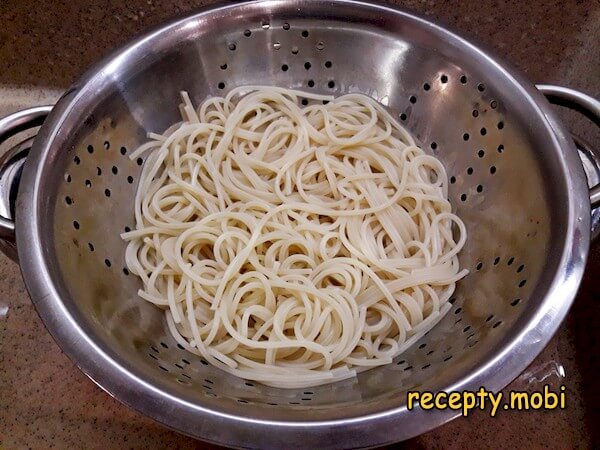
I drain the pasta through a colander – I don't rinse it in cold water, so that the starch on the surface binds with the sauce.
And I transfer it into the pan with the meaty sauce – into the pan specifically, not the other way round. This is an Italian secret: the pasta goes to the sauce, not the sauce to the pasta.
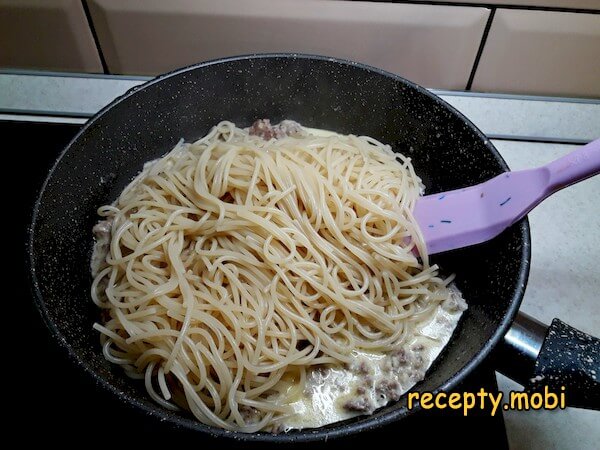
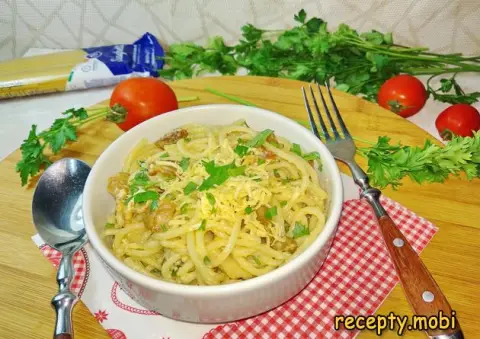
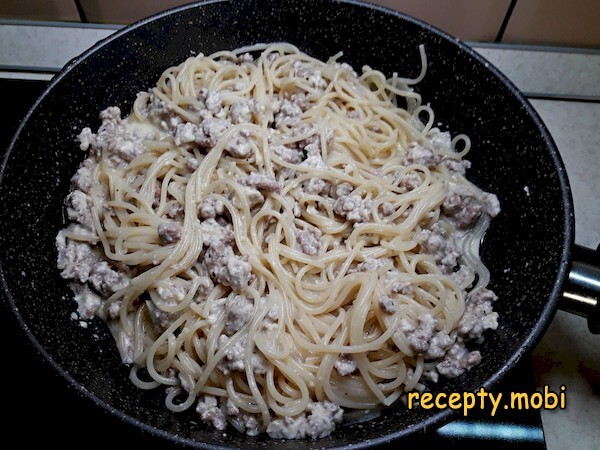
I mix everything together well. The pasta soaks up the creamy flavour, becomes juicy and nourishing, and the minced meat adds heartiness to this simple dish.


Tips
- 1
RICH CREAM is the secret to a tender sauce. Cream of 10% or lower separates instantly into water and fat when heated – the sauce turns out watery with a film of fat on top. 20% is the minimum, 30-33% is ideal. The richer the cream, the more tender and stable the sauce. With the richest 35% cream you get a restaurant-style carbonara-alfredo without extra effort.
- 2
PASTA TO THE SAUCE, NOT THE OTHER WAY ROUND – the secret of Italian serving. The habit of adding sauce to the pasta after boiling is a "Russian" approach that gives dry pasta with a puddle of sauce on top. The Italian technique: transfer the pasta into the pan with the sauce, toss over the heat for 30 seconds – the starch from the pasta binds with the cream and the sauce coats every strand. This is the secret of proper Italian pasta.
- 3
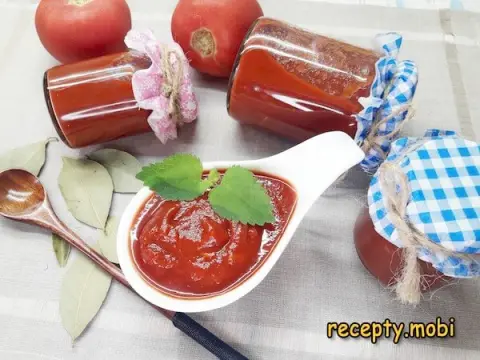
VARIATIONS WITH TOMATO – the secret of a bolognese style. If you want a more "Italian" character, after frying the mince you can add a couple of tablespoons of tomato paste or 200 ml of tomato purée – you'll get a mini-version of Bolognese Sauce. The flavour will be brighter and more tangy thanks to the tomato note.
- 4
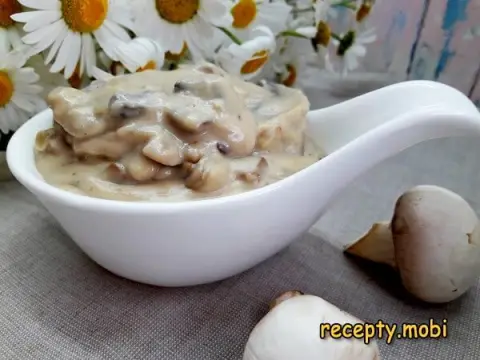
A PURELY CREAMY ALTERNATIVE – the secret of the classics. Without the mince you get a classic creamy Alfredo sauce or a basic béchamel – along the lines of Béchamel Sauce – cooking options. It's a universal base for lasagna, gratins and baked pasta – master béchamel once and use it endlessly.
FAQ
Which pasta is best for a creamy sauce? +
Long pasta is ideal: spaghetti, linguine, fettuccine, tagliatelle. They "embrace" the creamy sauce and every strand is covered with an even layer. Among short shapes – penne (the ridged tubes hold the sauce inside), farfalle (bow-ties), orecchiette ("little ears"). Not suitable: fancy "rosettes" and stars (the sauce doesn't catch on the smooth surface), and very thin capellini (it gets lost in a thick sauce). The best quality is Italian pasta such as Barilla, De Cecco, Garofalo made from durum wheat.
Can cream be replaced with milk? +
Technically yes, but the sauce will be more watery and less rich. 3.2% milk gives a similar result, but with less tenderness. If you have no cream at all: mix 200 ml of milk + 50 g of melted butter + 1 tablespoon of flour – this is an "emulation" of 20% cream. Vegan alternatives: 20% coconut cream (gives a tropical accent), cashew cream (neutral, closer to dairy). You can also make it on a thin stock or simply on water with cheese – the sauce will be "empty", but the basic "pasta + cheese" structure is kept.
How long does the finished sauce with pasta keep? +
In the fridge in an airtight container – up to 2 days. Over time creamy sauces separate – before serving you need to heat it thoroughly in a pan with a couple of tablespoons of water or milk to restore the texture. I don't recommend freezing creamy pasta – after thawing the structure is completely destroyed, the cream turns into water with curd-like flakes. It's best to cook just before serving, or at most 1-2 hours before dinner.
What to serve pasta with meaty sauce with? +
The classic Italian serving is with grated parmesan (or another aged cheese) on top, freshly ground black pepper and basil leaves. For drinks: dry red wine (chianti, montepulciano) or dry white (pinot grigio). For starters: a light green salad with mustard dressing, olives, marinated artichokes. For a hearty meal: with garlic croutons, bruschetta, focaccia. For dessert afterwards: tiramisu, panna cotta, a scoop of ice cream with espresso. Don't serve ketchup or mayonnaise with this pasta – you'll ruin its authentic taste.
- Comment
or post as a guest
Be the first to comment.