avg —
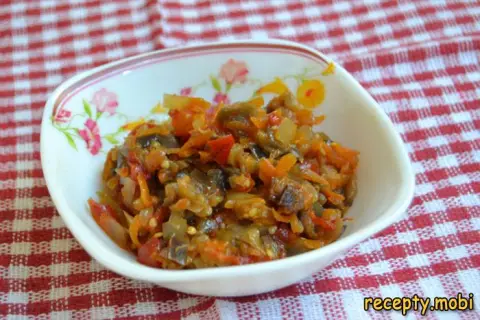
Lecho made of bell peppers without tomatoes

Instructions
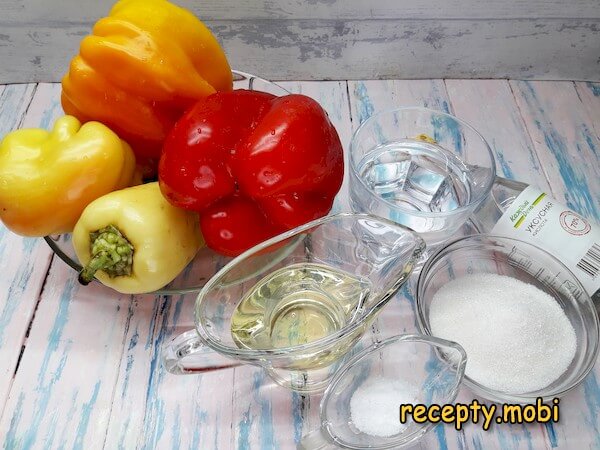
I prepare the necessary ingredients.
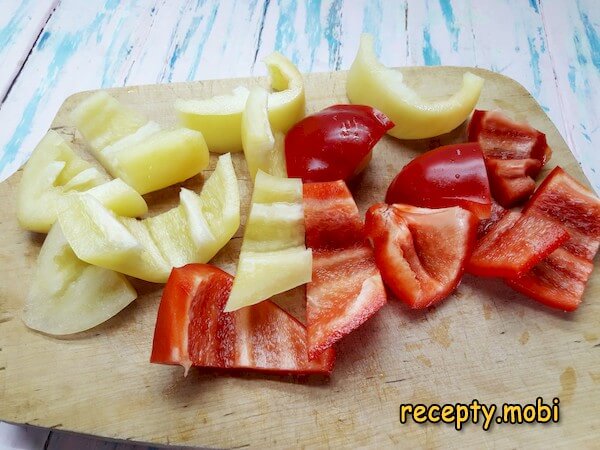
I remove everything unwanted from the pepper – the stalk and seeds. I cut it into pieces of a size that suits you.
From the listed ingredients I make the marinade, adding the acetic acid straight away.
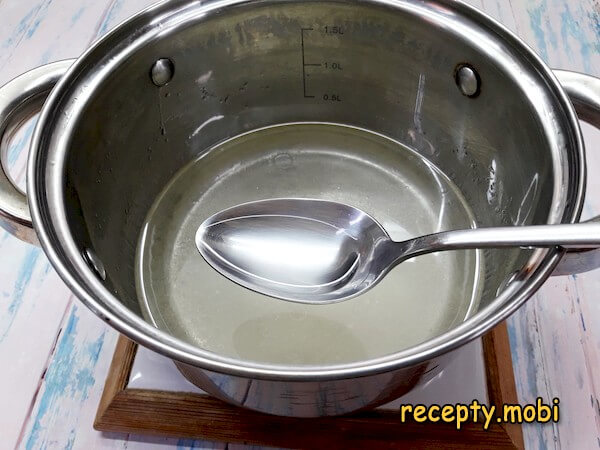
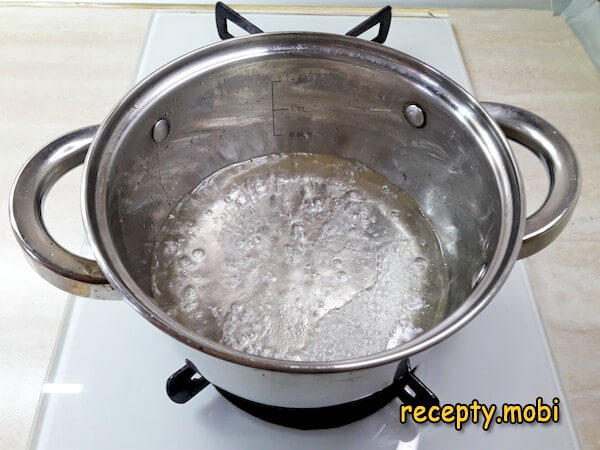
I put it on the stove and wait for it to come to the boil.
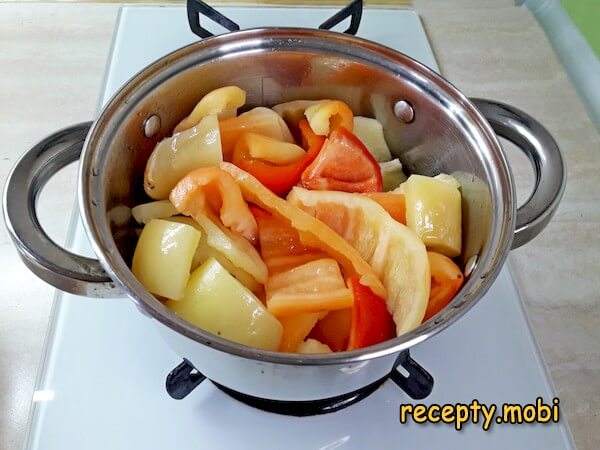
I transfer all the pepper into the pot. At first it seems like there is far too much of it compared with the marinade. But as it heats, the pieces soften and settle down, releasing their juice.
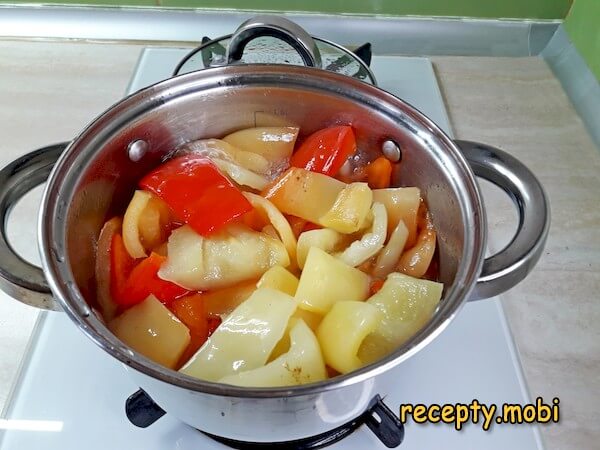
The pepper needs to be stirred occasionally and cooked under a lid for 7 minutes.
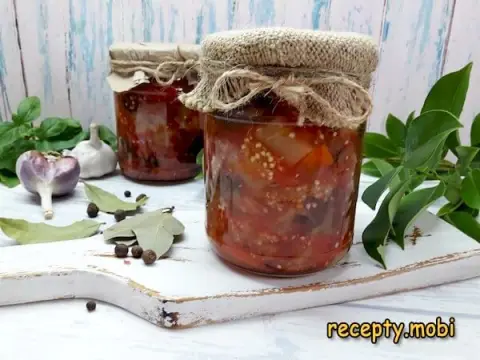
Into the prepared jar I slice a clove of garlic and add the peppercorns.

I add the hot pepper here too, then fill the remaining space with the leftover marinade.
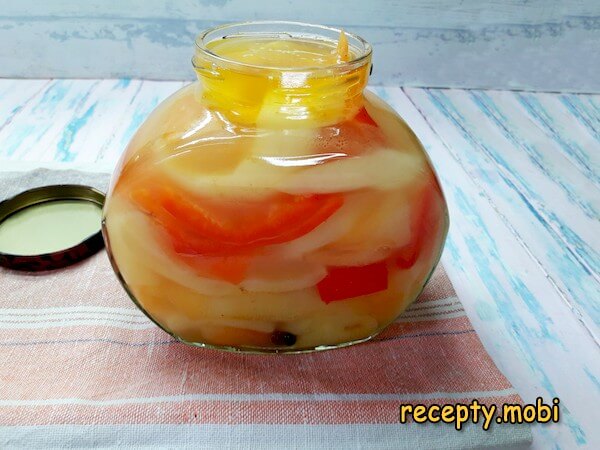
I cover the jar with a lid. I place the preparation in a pot of hot (this is essential) water to sterilise for 7 minutes from the moment it starts boiling.
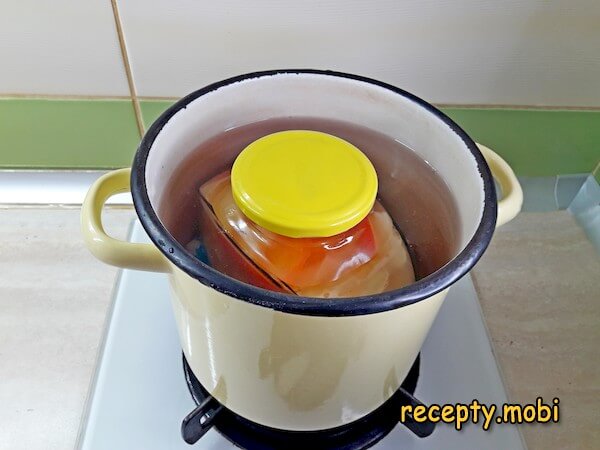
Now you can screw the lid on tight and turn the jar upside down – let it cool just like that.
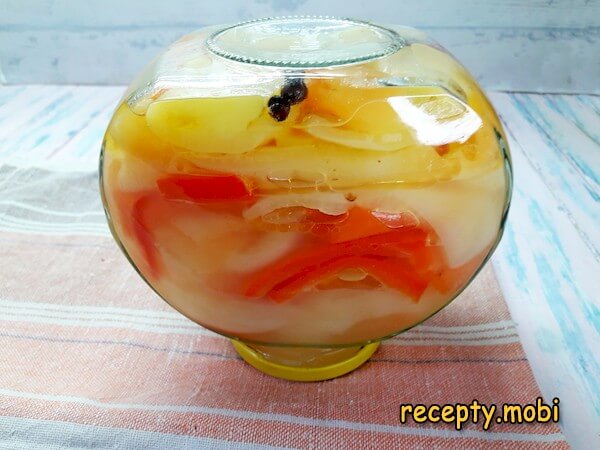
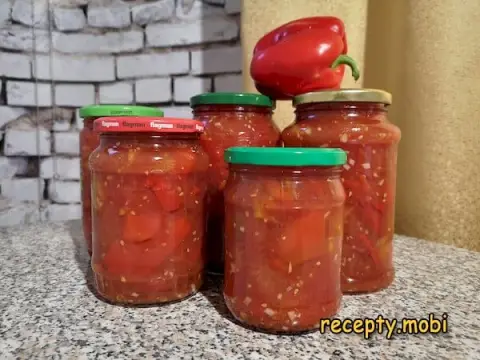
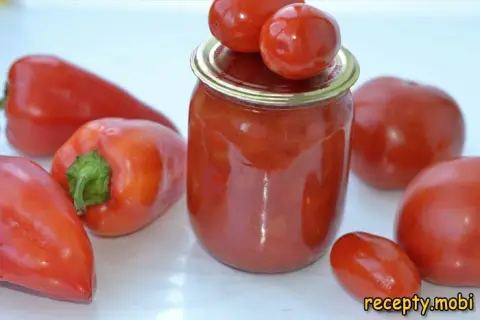
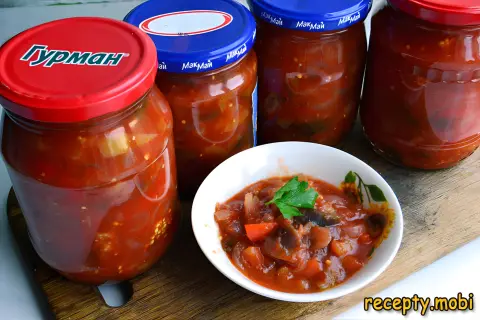
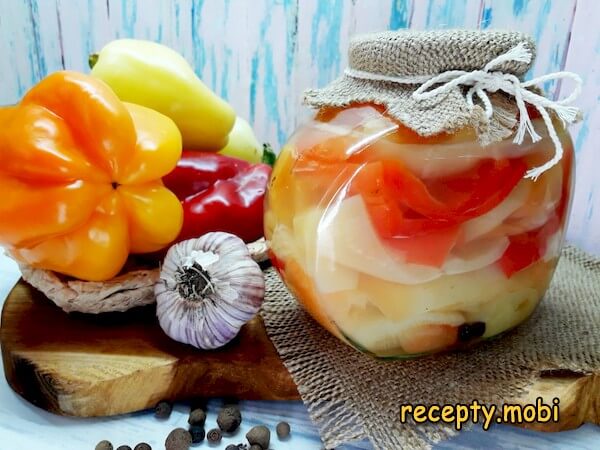
Once the work is done, lecho made of bell peppers without tomatoes can be kept even at room temperature until the next harvest. This delicious appetiser is a fine addition to any dish, with or without meat.


Tips
- 1
Hot water for sterilising is the secret against cracks. Cold water plus a hot jar equals a crack. Use hot water only (60–70°C).
- 2
Vinegar in the marinade is the secret against mould. The 70% essence kills all the microbes, and 0.5 tbsp is enough for 800 g of lecho.
- 3
The 7-minute cook is the secret of the crunch. The pepper stays firm and doesn't boil down. Cook it longer and it will soften into mush.
- 4
Garlic on the bottom is the secret of the aroma. One clove and 4–5 peppercorns give it a "salted" character. The same principle works in other kinds of lecho and marinated pepper.
FAQ
Which pepper should I choose? +
Ideally – meaty sweet field-grown pepper (California Wonder, Bogatyr, Podarok Moldovy). Alternatives: yellow pepper (for looks), red (the classic), orange (unusual). A fresh one is firm, glossy, with no dents or spots. A large size is best (meaty walls of 5–7 mm). Not suitable: small thin-walled pepper (little flesh), limp, or overripe. For a premium option – large farm-grown bell pepper. Greenhouse peppers have thinner walls, so choose field-grown ones. A mix of colours makes the jar look pretty. Green pepper is not suitable (it tastes bitter and stays crunchy).
What can I use instead of vinegar? +
Alternatives: 9% vinegar (35 ml = 0.5 tbsp of 70%), 6% apple vinegar (50 ml – milder), 6% wine vinegar (50 ml – "European"), balsamic (25 ml + 10 ml water – premium), citric acid (1 tsp + 50 ml water – without aroma). Natural 70% is the "classic" for preserving. Brands "Mr. Ricco", "Baltimor" and "Buratino" are tried and tested. Do not use: ones flavoured with herbs or honey (they will change the taste), or expired ones. For a "spicy" version – add a pinch of ground red pepper. For a "mild" one – reduce the vinegar to 0.3 tbsp.
How long does lecho keep? +
In sterile, sealed jars at room temperature – up to 1 year. In a cool cellar – up to 1.5 years. Once opened, in the fridge – 5–7 days. Write the canning date on the jars. If a lid bulges – do not open it, throw it out. Do not store it in the sun – the colour will "fade". It is best used within the first 6–8 months. Use small jars of 0.5–0.8 l – they are easier to open. Before serving – take it out 15–20 minutes ahead (the cold "mutes" the flavours). Do not leave an open jar at room temperature for longer than 2 hours.
What do you serve lecho with? +
A standalone appetiser – on bread with butter. With boiled potatoes (the classic). With fried or boiled potato. With steak, shashlik or lamb ribs – the "manly" serving. With pelmeni and vareniki – the "winter" one. With a shot of cold vodka – the "Russian" one. With a side of rice or buckwheat. With pilaf or fried rice. With boiled chicken or turkey. With fried fish. With light beer – the "bar" serving. For a "family lunch" – with mashed potato and meat. With cheese and olives – the "Mediterranean" serving. With a bowl of borscht as an appetiser. A versatile spicy appetiser for any meal.
- Comment
or post as a guest
Be the first to comment.