avg —
Tomatoes Slices with Onions and Oil for Winter without Sterilization

Instructions
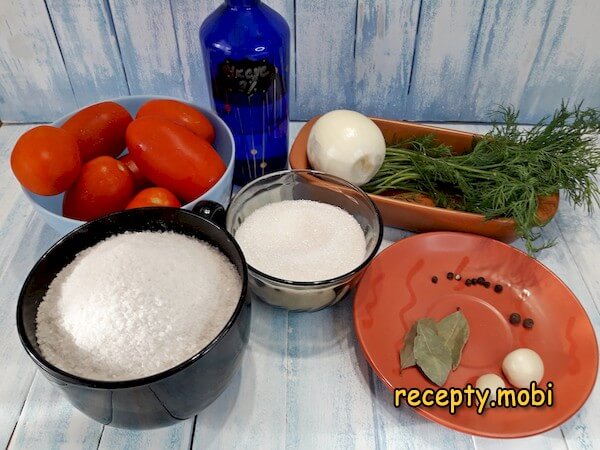
I prepare the ingredients. The marinade is calculated for 1 litre of water, although two half-litre jars need slightly less. To avoid getting the proportions wrong, it is better to make the brine with some to spare. Since this seal is not sterilised, I pay special attention to the cleanliness of the jars – I wash them with baking soda or mustard powder and then sterilise them by any method together with the lids: without clean containers, even a hot pour will not save you from mould.
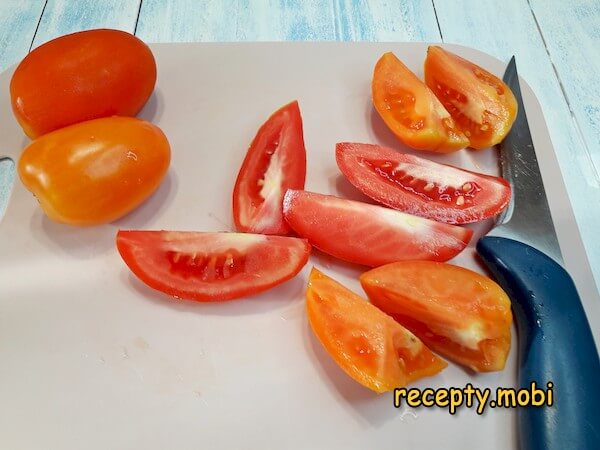
I wash the dense, meaty tomatoes, cut out the stem, and cut them into 2 or 4 pieces depending on the size of the fruit. I halve plum-shaped varieties and quarter the large meaty ones.
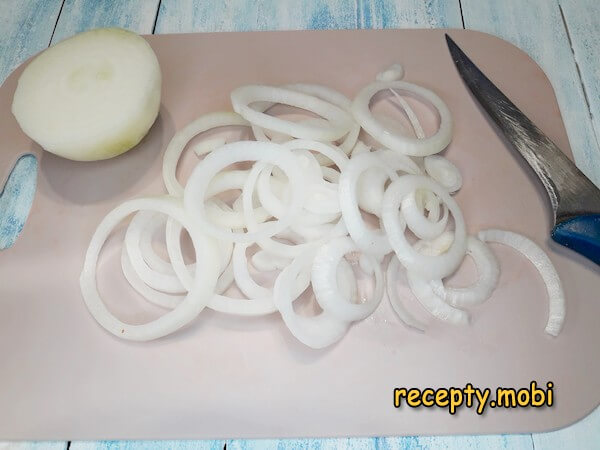
I slice the onion into rounds, then loosen them into individual rings – this way it spreads more evenly between the tomato layers.
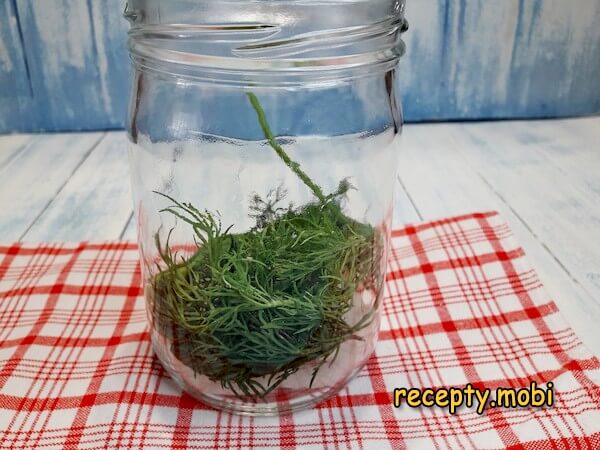
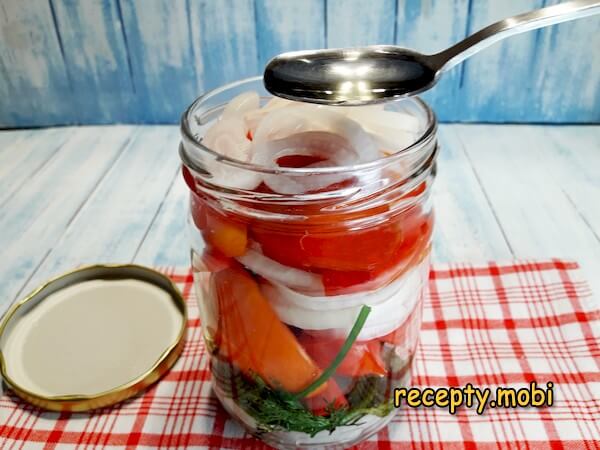
On the bottom of the jar I place some of the onion, peppercorns, garlic (cut into slices), and dill. The greens and spices on the bottom release their aroma into the marinade from below. The onion in this preserve turns out very tasty – it can later be used in various salads.
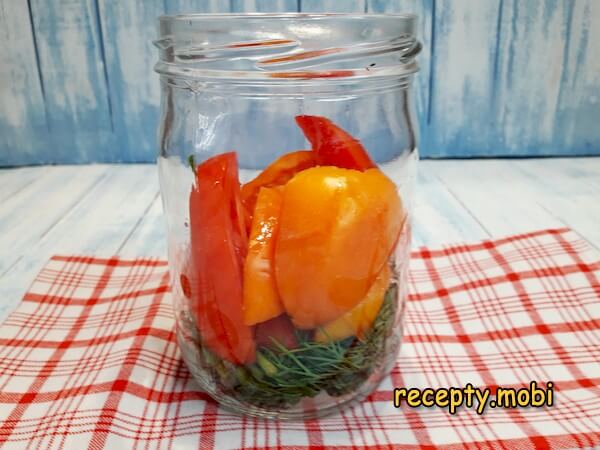
I lay down the first layer of tomatoes – tightly, but without pressing them with my hands. You can simply tap the jar on the table so the pieces settle more closely on their own without being crushed.
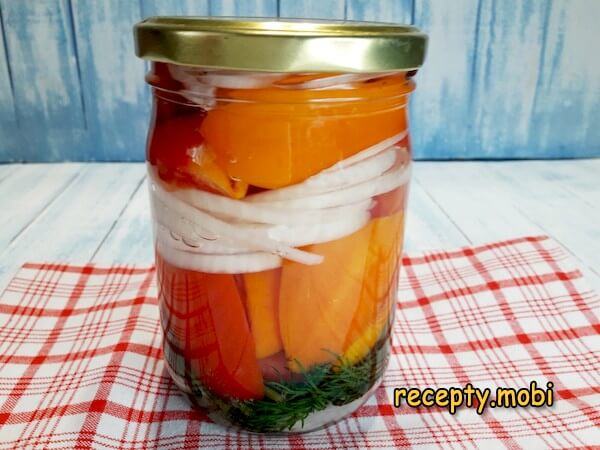
Then I add a second identical layer of onion and tomatoes, filling the glass jar right to the top – the less air in the jar, the less mould during storage.

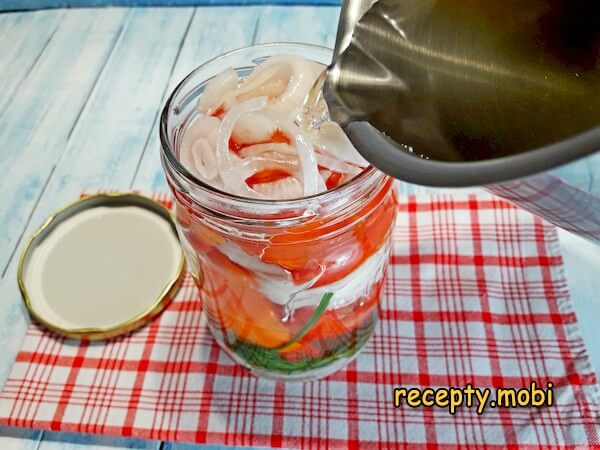
I boil plain clean water and pour it over the prepared jars. The boiling water should go in stages so the glass does not get thermal shock and the jar does not crack.

I cover the jars with lids and leave them for 15 minutes – the contents heat up, and the tomatoes inside are pasteurised by the hot water, without a separate sterilising pot.
Then I drain the water into a measuring saucepan – this way I check the amount of water needed for the marinade at the same time, with no guesswork on proportions.
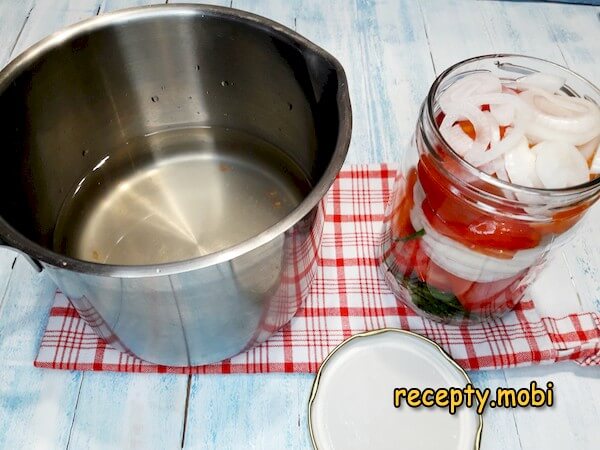
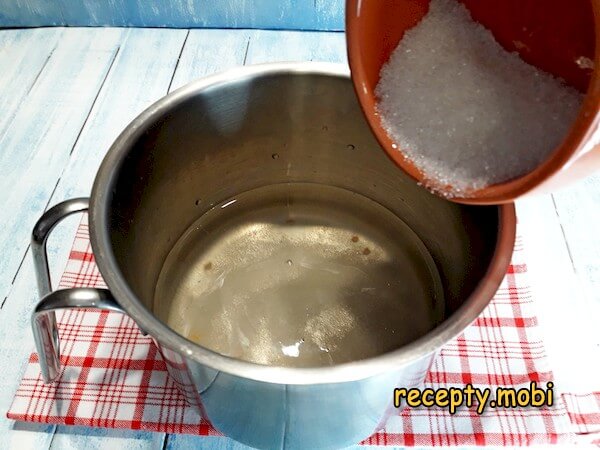
I add salt and sugar to the drained water in the right proportions – it is the sugar that balances the acidity of the tomatoes and vinegar; without it the preserve comes out too sharp in taste.
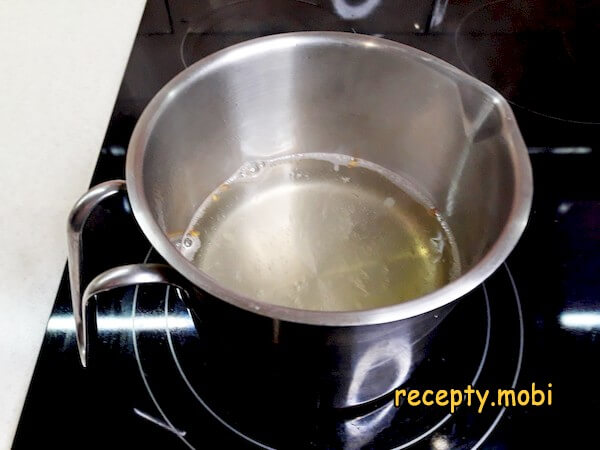
I boil the marinade for a couple of minutes – that is enough for the salt and sugar to dissolve completely while keeping the aromatics from boiling away.
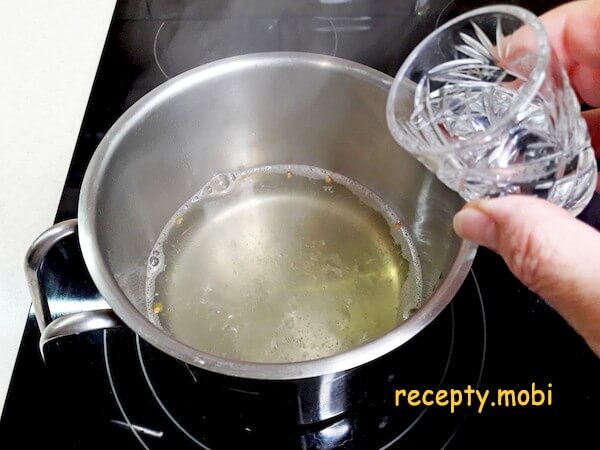
At the end I add the vinegar and take the pan off the heat. Vinegar goes in right at the finish – long boiling evaporates the acetic acid, and the marinade loses its strength as a preservative.
I add 1 teaspoon of vegetable oil to each jar (a litre jar needs 1 tablespoon of oil) – it forms a thin film on top of the marinade, separating the contents from the air during storage.
I pour the marinade right to the top of the jar – the smallest possible air gap means the best keeping quality.
I screw the lid on tightly and turn the jar over – this way both the lid and the neck are sterilised, plus the seal of the seam is checked.
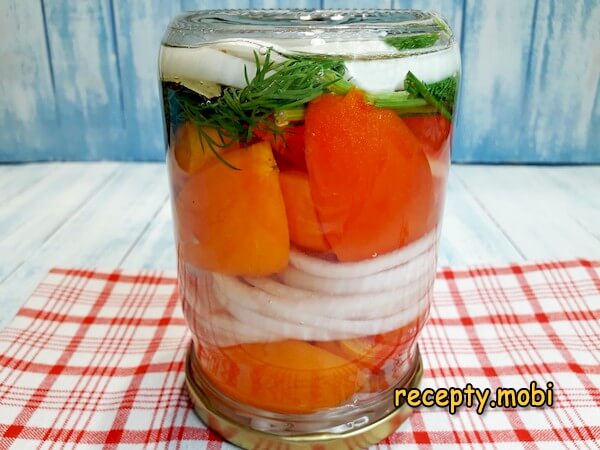
I wrap the jars in a large towel and leave them until completely cool – the slow cooling under a blanket works like a mini-autoclave, finishing off any remaining microflora in the jar.



Tips
- 1
Dense varieties are the secret to keeping the slices in shape. Soft pink varieties such as Bull's Heart fall apart into mush during the hot pour. Plum-shaped types – Slivka, Roma, Lady's Finger – hold their shape all winter, and the slices stay beautiful.
- 2
Vinegar at the finish is the secret to the marinade's strength. Vinegar added to boiling water for 5 minutes or more evaporates. Add it a few seconds before taking the pan off the heat and all the acetic acid is preserved and works as a preservative. The same trick works in quick marinated tomatoes for winter without sterilisation.
- 3
A layer of oil on top of the marinade is the secret to storing without sterilisation. Without oil on the surface of the marinade, mould develops in the air pocket. A thin film of oil means no contact with air, and the jar keeps calmly for a year or more at room temperature.
- 4
A colour mix is the secret to a good-looking jar. Red tomatoes alone make a one-tone preserve that does not catch the eye. A mix of red, yellow, and pink varieties makes the jar play with colour and look wonderful on a festive table. The same principle is used in green tomatoes with garlic for winter in slices.
FAQ
Which tomatoes should I choose for slices for winter? +
The classics are dense plum-shaped varieties of 50–100 g each: Slivka, Roma, Lady's Finger, Lady's Caprice. Alternatives: yellow plum-shaped Yellow Plum (a premium choice for a colour mix), Rio Grande (meaty and dense), and Black Prince (premium, with a dark-cherry colour in the jar). Pink varieties such as Raspberry Miracle and Bull's Heart are not suitable: the loose flesh turns to mush during the hot pour. Do not use overripe soft tomatoes, or ones with cracks or green patches – they spoil the look and shorten the storage life. Ideally, use ones freshly picked from the garden in the morning.
How long does it keep without sterilisation in a cellar? +
In a cool pantry (8–15°C) it lasts up to 2 years without losing colour or flavour. In an ordinary kitchen cupboard at room temperature, up to 1.5 years. After the jar is opened, 5–7 days in the fridge under the lid. Signs of spoilage are a bulging lid, a cloudy marinade with a white film, or a sour or rotten smell – such a jar goes in the bin. A properly made preserve develops a richer flavour by the new season: the onion and garlic pass their aroma into the marinade, and the tomatoes become more piquant from the long maceration in spices.
Can I replace the 9% vinegar with apple or lemon juice? +
You can, but in different proportions. Apple cider 6% – 75 ml instead of 50 ml of 9% vinegar, with a soft fruity note that suits tomatoes perfectly. White wine 6% – 75 ml, neutral in taste. Freshly squeezed lemon juice – 60 ml, a premium alternative with a finer tartness, but it requires strict jar cleanliness. Balsamic is not suitable – it is dark, will change the tomatoes' colour, and its aroma overpowers the dish. Table vinegar 6% – 75 ml, a workable budget option. The main rule: acetic acid is needed for preservation, and in this method you cannot do without it altogether.
What should I do if the marinade overflows from the jar while it cools? +
This is normal – the hot air in the jar expands and slightly pushes the marinade out from under the lid. After cooling, the level drops. If the drop is significant (more than 1 cm from the rim), there is a risk that mould will develop in the air pocket. In that case I open the jar, add boiling water with a pinch of salt right to the top, and seal it again straight away. It is better to make the marinade with some to spare from the start and to fill it up to a slight dome – then even after some overflows the level will stay acceptable. Tightening the lid firmly and checking it by inverting the jar also help.
- Comment
or post as a guest
Be the first to comment.
Related recipes