avg —
Blueberry Compote for Winter (for a 3-liter jar)

Instructions
To make blueberry compote, I pick out only good-quality, fresh berries. They should be firm and free of mould. Be sure to rinse the blueberries under running water and let them drain.
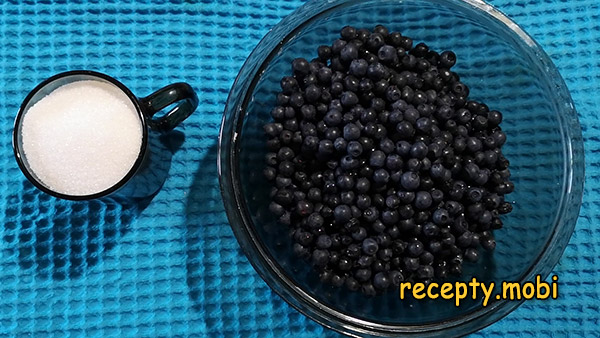
First, sterilise the 3-liter jar so the compote keeps for a long time. Once it is sterilised, fill the jar with the blueberries.
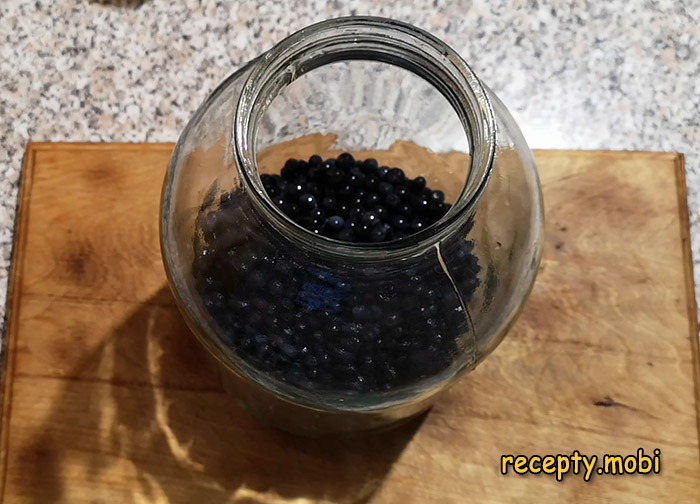
Pour boiling water over the blueberries, right up to the top of the jar.
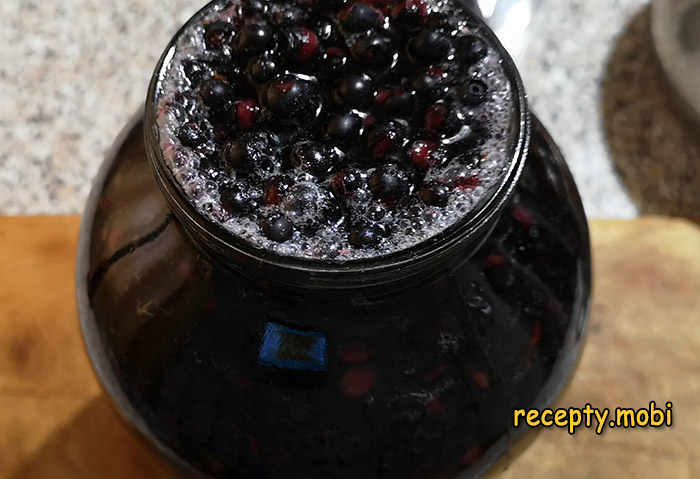
Cover with a sterilised metal lid. Let it stand for 10–15 minutes.
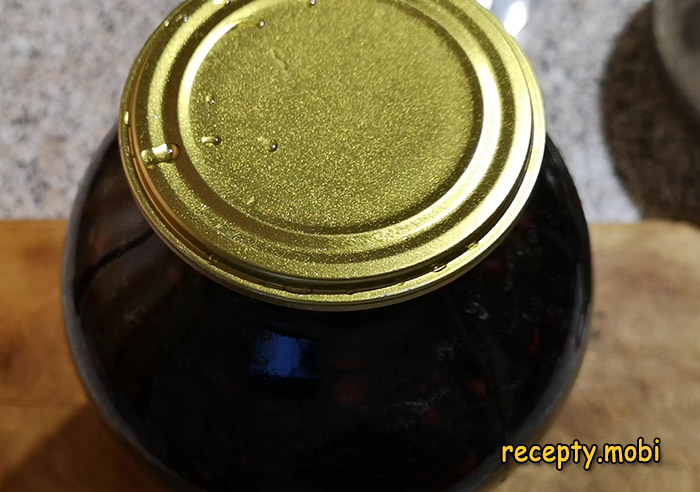
After this time, use a special draining lid to pour the liquid (without the berries) into a pot.
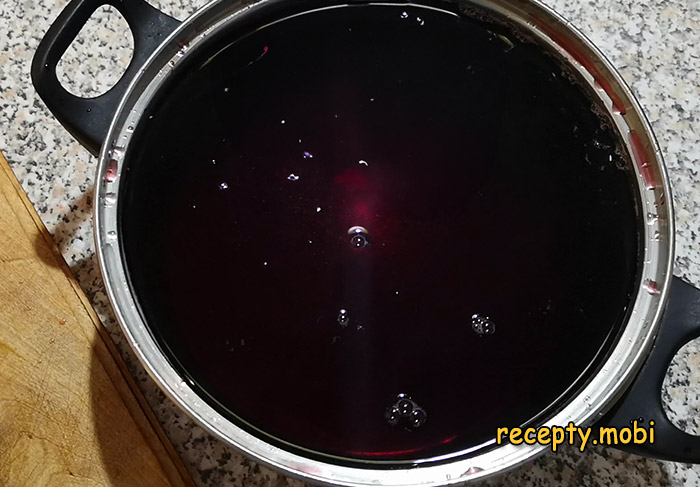
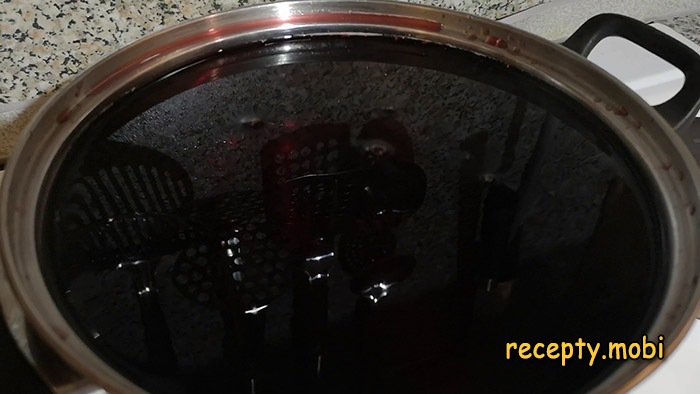
Put the pot of liquid on the heat and bring it to a boil.
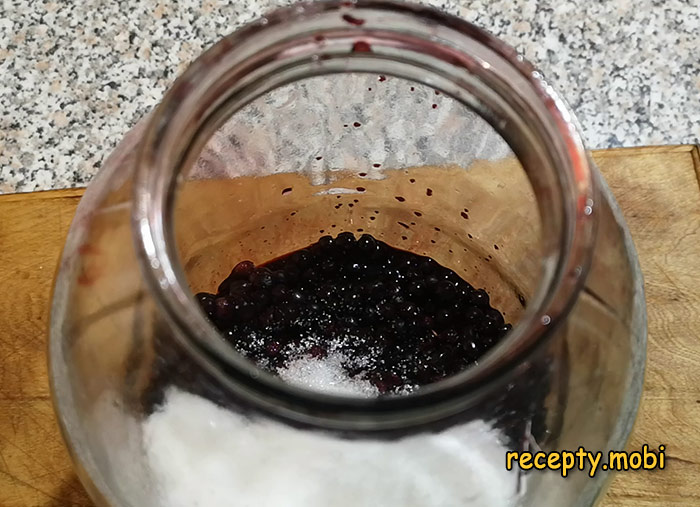
Add all of the sugar to the jar of blueberries.
Fill the jar of blueberries with the boiling liquid and seal it.
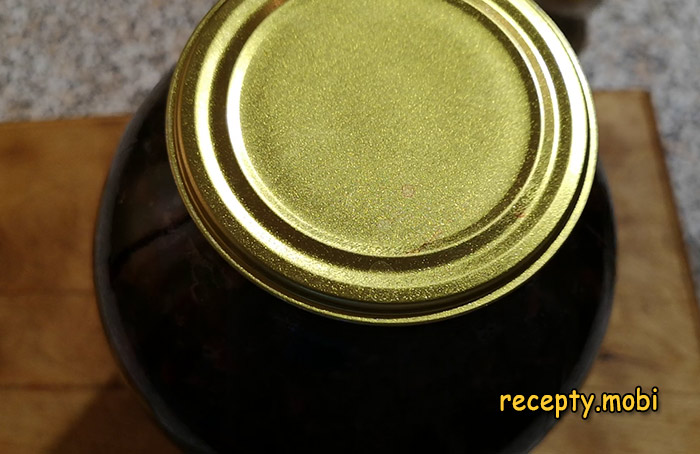
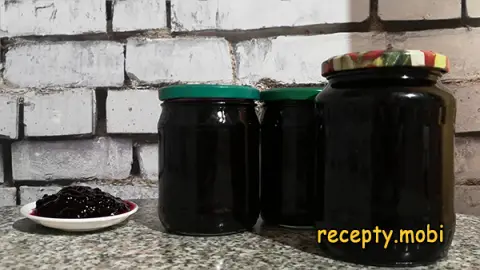
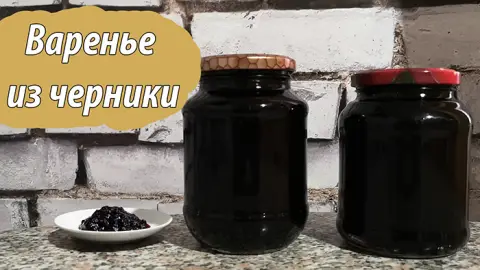
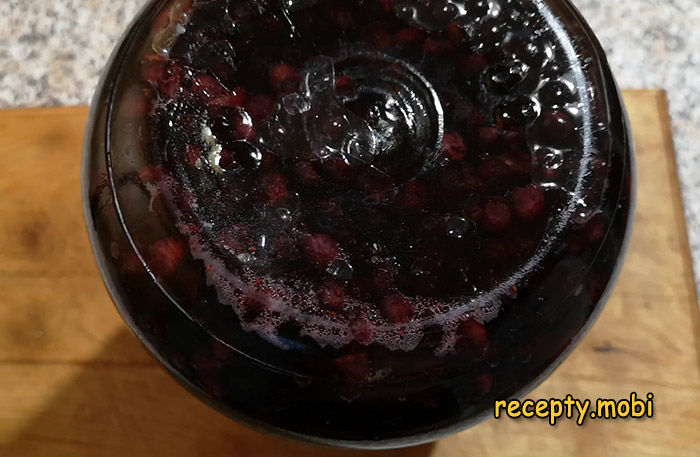
Turn the jar of blueberry compote upside down and leave it until it is completely cool.


Tips
- 1
FIRM BERRIES are the secret to clarity. Soft berries burst when you pour on the boiling water and make the compote cloudy. Only dense berries keep the compote clear and the fruit whole.
- 2
THE DOUBLE POUR is the secret to keeping. A single pour of boiling water leaves a risk of fermentation. The first pour warms the berries; the second, with the sweet syrup, gives reliable preservation.
- 3
SUGAR INTO THE JAR AFTER DRAINING is the secret to concentration. If you add the sugar straight to the water, you have to boil it into a syrup separately. Tipping the sugar right onto the berries in the jar and topping up with the hot syrup makes the compote sweet straight away.
- 4
TURNING IT UPSIDE DOWN is the secret to checking the seal. Without flipping the jar you might not notice a faulty seal. Turning it over pasteurises the lid and checks that the jar is properly closed. The same principle works for other kinds of berry compote for winter.
Video

FAQ
Which blueberries should I choose? +
Freshly picked wild forest blueberries are ideal (500 g). Good alternatives are large garden blueberries (500 g), bog bilberries (500 g, softer and milder), a mix of blueberries and bilberries (250 g of each), a mix of blueberries and blackcurrants (250 g of each), a mix with raspberries (250 g of each), a mix with blackberries (250 g of each), or frozen blueberries (500 g). Do not use overripe soft berries, mouldy ones, or badly crushed fruit. For the classic version you need firm, dark-blue berries with no rotten sides.
Can I reduce the sugar? +
You can. Alternatives are 150 g of sugar (a 1:0.3 ratio, less sweet), 250 g of sugar (a 1:0.5 ratio, sweeter), 100 g plus 1/3 tsp citric acid (sweet-and-sour), 200 g of honey instead of sugar, 200 ml of maple syrup, 150 g of fructose (for diabetics), 150 g of erythritol (sugar-free), or a mix of sugar and stevia (100 g plus 1 tsp). Do not use aspartame-based sweeteners, as they turn bitter when heated. For the classic version, use white sugar to your own taste – 200 g is the optimum.
How long does blueberry compote keep? +
In a cellar or cool, dark place at 5–15°C it keeps for up to 2 years. At room temperature, up to 25°C, it keeps for 1 year. Once the jar is opened, store it in the fridge for 5–7 days. Chill it further before serving, or add ice to the glass. If the lid has bulged or mould appears, do not use it – throw it out. Opened compote can be frozen in a plastic bottle for up to 6 months. It is fully infused about a day after sealing, and the flavour becomes deeper and richer in the second season. Don't leave the jars in sunlight, or the colour will fade.
What goes well with blueberry compote? +
A winter-table classic is to serve it with ice and a slice of lemon in the glass, or with a sprig of fresh mint. It goes with sweet baking (pies, muffins, biscuits), with pancakes and fritters, with syrniki and cottage-cheese bakes, with buttered toast, with cheesecake, and with Easter kulich. Serve it as a breakfast drink alongside children's porridge, or with the savoury dishes of a main meal (potatoes, cutlets) for contrast. In the Slavic tradition it is also served with herring under a fur coat and with kholodets, and it is a versatile choice for the New Year table.
- Comment
or post as a guest
Be the first to comment.