avg —
Layered Flatbreads on a Skillet

Instructions
Tip the sifted flour into a large bowl, add the salt and sugar, and stir everything together. Pour in the slightly warmed water and stir again.
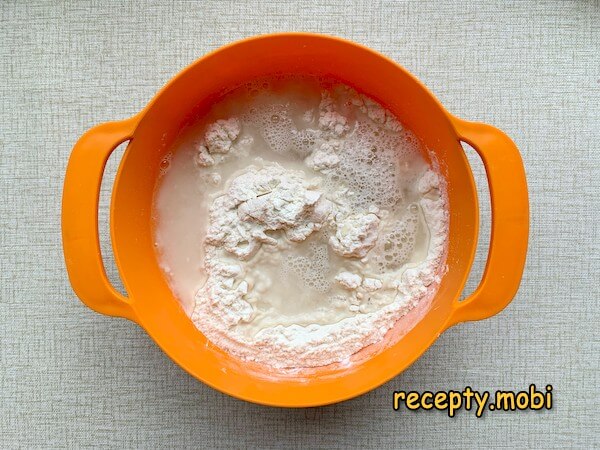
Knead the mixture by hand into an elastic dough. If you see that it is turning out too stiff, add a little more water. Keep kneading for about 5 minutes on the work surface. The dough becomes soft and pliable, and does not stick to your hands at all.
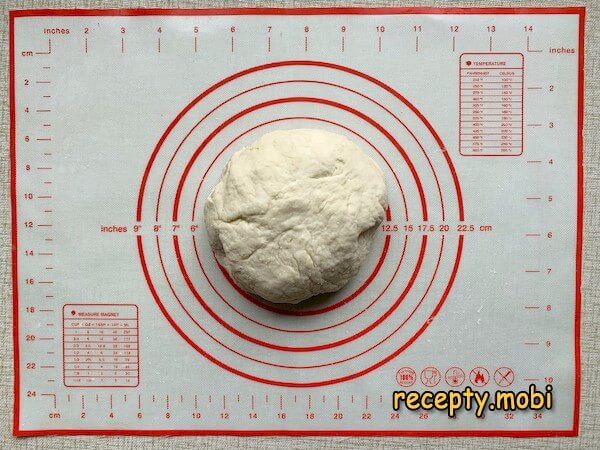
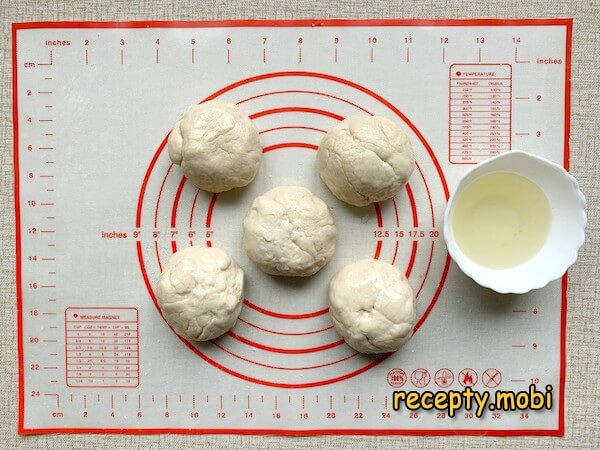
Divide all the dough into 5 pieces (about 100 g each) and coat each one thoroughly with vegetable oil. Cover them with a towel or cling film and leave them to "rest" for 15–20 minutes.
Generously oil the work surface and start stretching the first ball of dough by hand, making it as thin as possible. If the dough tears and a few holes appear in the process, do not worry – the main thing is to stretch it into a thin sheet.
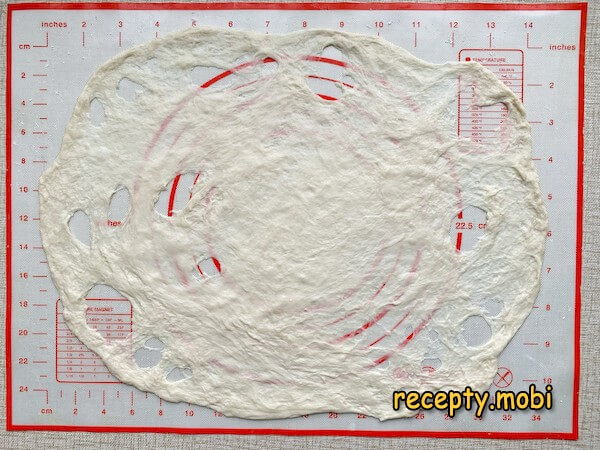
Brush the stretched flatbread with oil on top and lightly dust it with starch so the dough does not stick to itself. Then begin shaping the flatbread. First fold the top and bottom edges of the stretched dough in toward the middle, then brush the surface with oil again and add more starch.
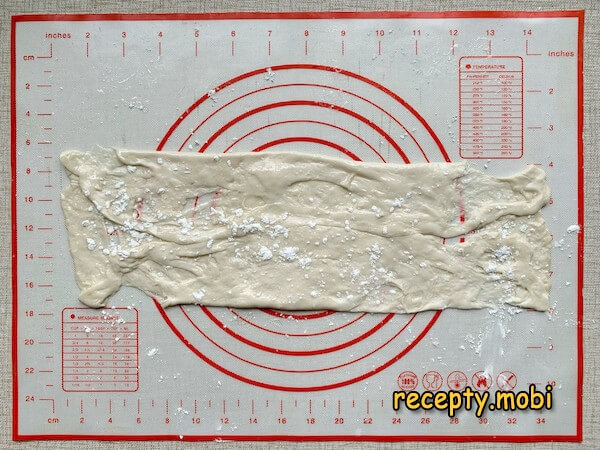
Now join the bottom edge of the dough to the top one to get a rectangular sheet. Repeat the oil and starch step – this is important for forming neat layers.
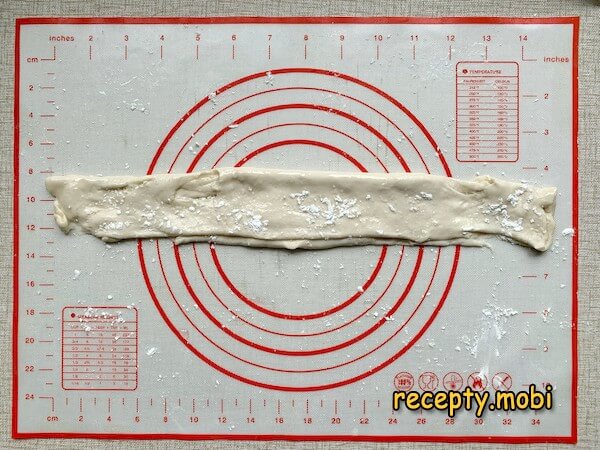
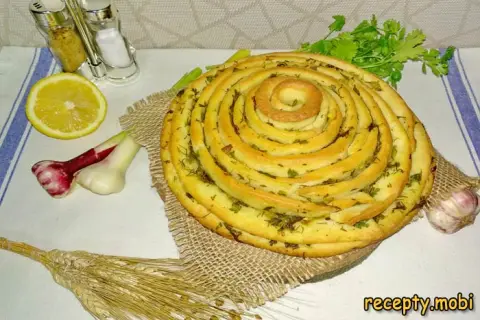
Roll the dough into a long tube and then coil it into a "snail" shape. Place the coiled flatbread under cling film and repeat the whole process with the remaining balls of dough.
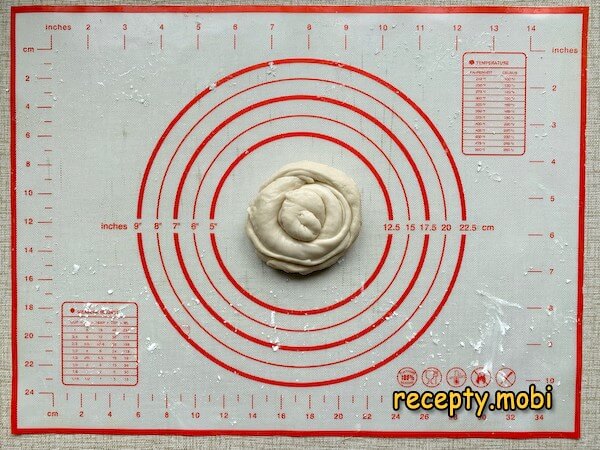
Gently stretch the dough snail by hand to the size you want, remembering to allow for the diameter of your skillet.
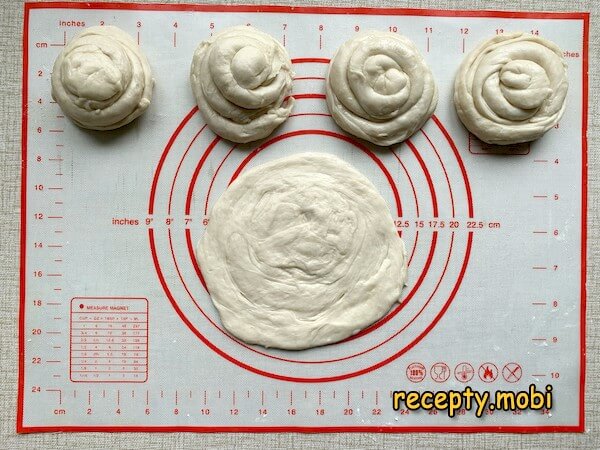
Heat the skillet over medium heat and add a flatbread. You can fry them either in a dry pan or with oil. However, flatbreads fried with oil come out more golden and appetising. Cook the flatbreads for 3–4 minutes per side over medium heat.
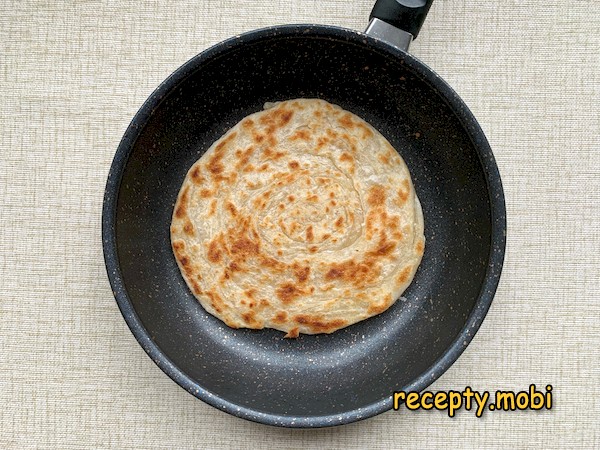
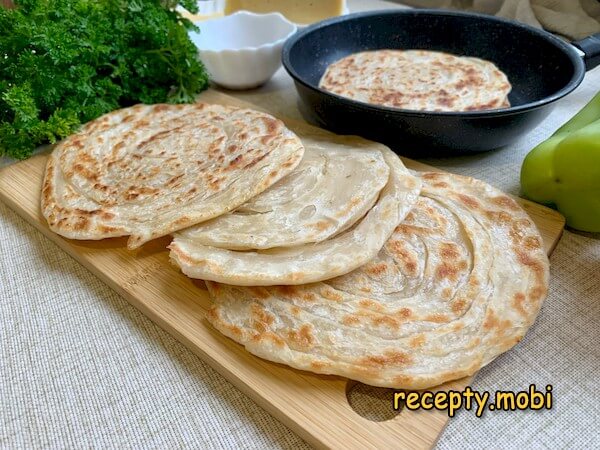
And there are our beautiful, fragrant layered flatbreads on a skillet. Pour the sweet tea and call the whole family to the table.


Tips
- 1
STARCH BETWEEN THE LAYERS is the secret of the flakiness. Without starch the layers fuse together. With starch the dough separates into individual thin sheets, like in a croissant.
- 2
RESTING THE DOUGH FOR 15–20 MINUTES is the secret of elasticity. Fresh dough tears when you stretch it. Rested dough stretches like a film without tearing.
- 3
THE SNAIL FROM A TUBE is the secret of the shape. A simply folded flatbread is ordinary. The snail opens up into a spiral of layers – the signature Uzbek presentation.
- 4
FRYING WITH OIL is the secret of the golden colour. Without oil the flatbreads are pale. With a drop of oil they are golden, crisp and appetising. The same principle works in other kinds of layered flatbreads on a skillet.
FAQ
Which flour should I choose? +
Ideally, premium-grade wheat flour (300 g for an elastic dough). Alternatives: grade 1 flour (300 g – darker and a little coarser), a blend of premium and wholemeal flour at 80/20 (240 g + 60 g – a wholesome premium option), pizza flour (300 g – more gluten, more elastic), "Manitoba" flour (300 g – a premium Italian choice), or a blend of premium flour and semolina at 80/20 (240 g + 60 g – a premium mix). Freshly milled flour is a premium option. Do not use: self-raising pancake flour with a leavening agent (it will spoil the structure) or gluten-free blends (you will not get the layering). For the classic Uzbek result, you must use premium wheat flour with a high gluten content.
What can I use instead of starch? +
Alternatives: cornflour (30 g – a premium choice, more neutral in flavour), potato starch (30 g – the classic, a direct equivalent), rice flour (30 g – premium), premium wheat flour (30 g – budget-friendly, but the flatbreads will be denser), a 50/50 blend of starches (15 g of each – premium), or wheat starch (30 g – a mild equivalent). Fresh starch in a sealed pack is a premium option. Do not use: modified starch (not suited to layering) or gelatine (it has a different function). For the classic Uzbek flatbreads, starch is essential.
How long do the layered flatbreads keep? +
In a dry metal tin or container at room temperature – 2 days. In the fridge under cling film – up to 4 days (but they will become firmer). Before serving, warm them on a dry skillet for 1 minute per side, or in the oven for 5 minutes at 150 °C under foil, to bring back their softness. In the microwave – 20 seconds under a damp cloth. In the freezer (once cooked) – up to 1 month; defrost for 30 minutes at room temperature, then warm them in a skillet. Fresh flatbreads are at their best straight from the pan, crisp on the outside and soft inside.
What should I serve the layered flatbreads with? +
The Uzbek classic is with sweet black or green tea. With a bowl of rich soured cream. With honey and walnuts. With thick berry jam (cherry or raspberry). With suluguni or brynza cheese. With a cup of coffee with milk. With a glass of milk. With hot cocoa and marshmallows. With a glass of brandy after dinner. Alongside pilaf or manti as bread. With lagman or shurpa. With honey and butter. With a cup of cardamom tea (an eastern serving). For an "Uzbek dinner" – instead of bread. They are a versatile bake for both tea-time and lunch.
- Comment
or post as a guest
Be the first to comment.