avg —
Lemonade from Lemons at Home

Instructions
I get the ingredients ready for the homemade lemonade. I choose lemons with a bright yellow skin that feel heavy for their size – they hold more juice.
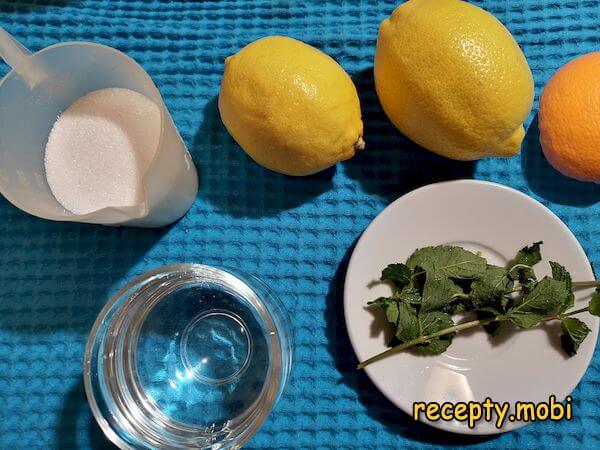
Into a deep bowl I grate the zest of one lemon on a fine grater. I try to grate only the top yellow layer, without the white part underneath – the white part gives a slightly bitter taste.
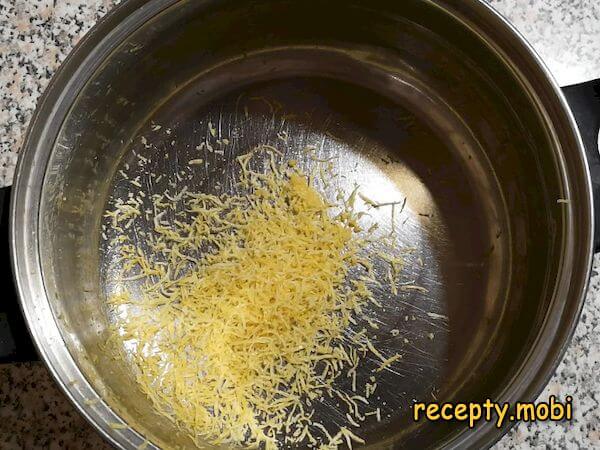
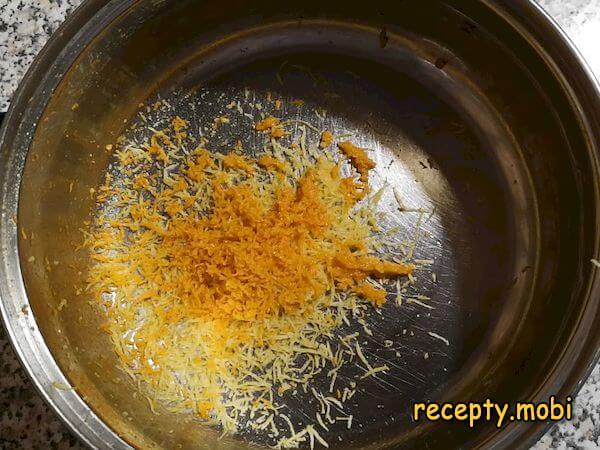
With the same grater I grate the zest of half an orange into the same bowl. Just like the lemon, the white part of the orange gives a bitter taste – I try not to touch it.
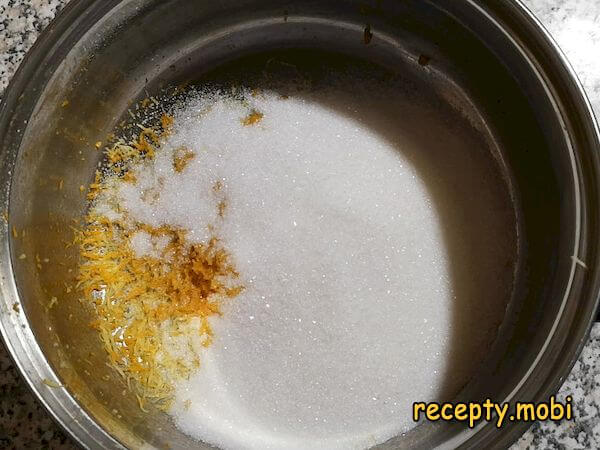
I add 150 g of sugar to the lemon and orange zest. The zest with the sugar gives a fragrant, aromatic “concentrate”.
I pour in 150 ml of warm water – about 40–45 °C. I stir until the sugar dissolves. Warm water dissolves the sugar faster than cold, but does not destroy the vitamins.
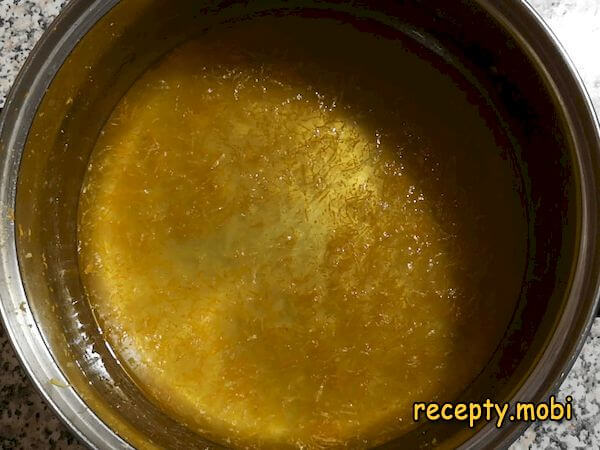
Into the syrup I squeeze the juice of half an orange in whatever way is convenient. If any seeds fall into the citrus concentrate, there is no need to take them out now – we will strain it later.
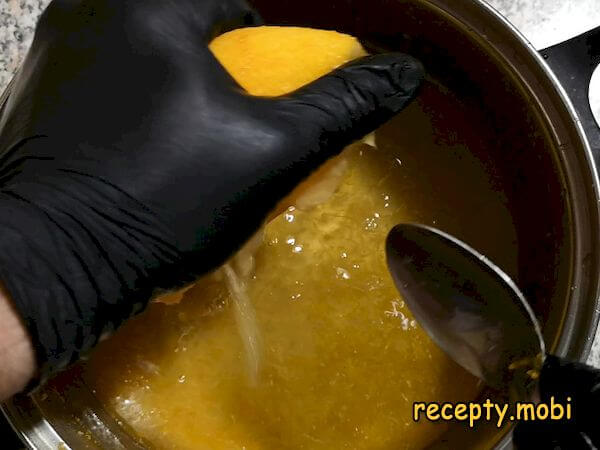
I also squeeze the juice of two lemons into the syrup. For the most juice, first roll the lemon over the table with some pressure, pressing down on it.
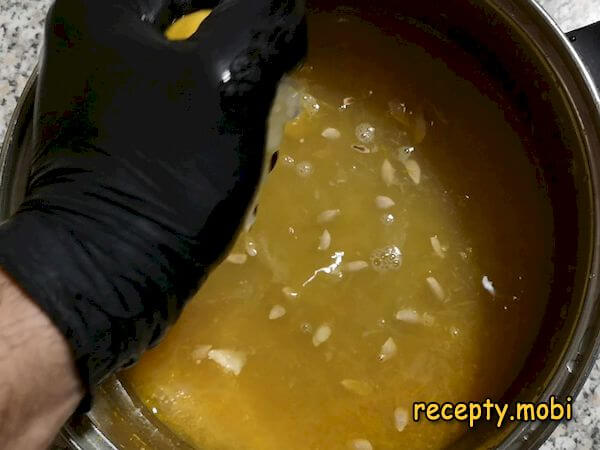
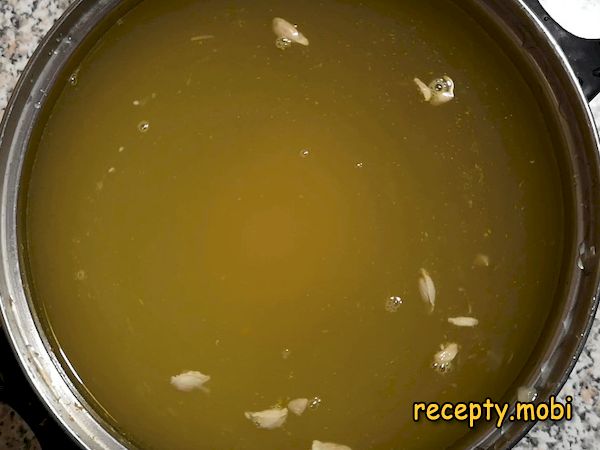
Now I pour 2 litres of cold water into the concentrate and stir everything together. You can strain it and drink it straight away, but for a richer taste it is better to let it stand for a few hours – the zest will release its aroma.
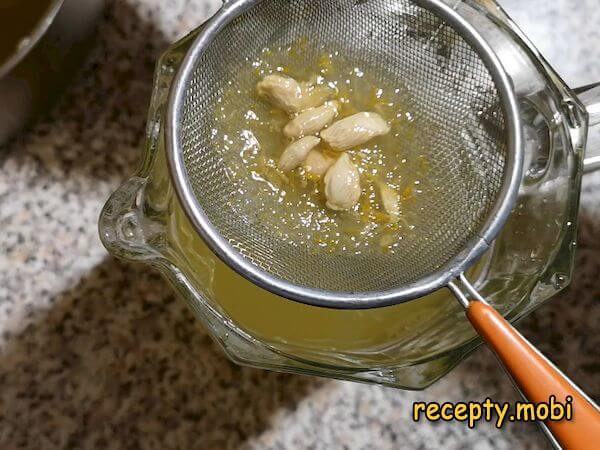
I strain the lemonade through a sieve or cheesecloth – to get rid of the seeds and bits of pulp.
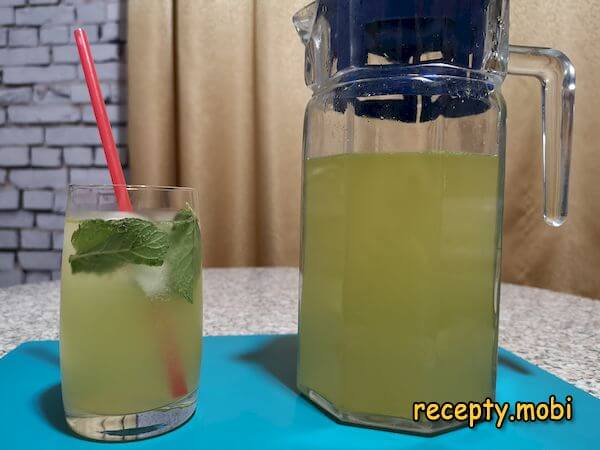
The homemade lemonade from lemons is ready. I serve it with ice and mint leaves for freshness.


Tips
- 1
Grate only the yellow part of the zest – the white part gives bitterness. A fine grater or a special zester (microplane) is handy for this.
- 2
Roll the lemons over the table with some pressure before squeezing – the citrus will give up twice as much juice (the internal membranes break down).
- 3
Let it stand for a few hours before serving – the zest with the sugar releases a fragrant concentrate and the flavour becomes richer.
- 4
Serve with ice and mint leaves – the cubes add coolness and the mint gives an aromatic touch. A similar trick works for other homemade lemonades.
Video

FAQ
How do I make the lemonade fizzy? +
There are a few options. First: replace 1 litre of the plain water with sparkling mineral water or soda water. Add it right at the end, after straining – otherwise the fizz will escape while it stands. Second: use a carbonating siphon (such as a SodaStream) – pour the finished, strained lemonade into the siphon bottle and charge it with carbon dioxide. Third (a folk method): add 1/2 teaspoon of baking soda to the concentrate with the lemon juice – you will get a brief “fizz”, but the effect does not last long. Shop-bought “lemonade” fizz is usually created with CO2 on an industrial scale.
What can I use instead of orange? +
Alternatives: 2 mandarins (sweeter, more aromatic), 1 lime (more “sour”, with a cocktail flavour), 1/4 grapefruit (slightly bitter, for adults), 2 tablespoons of berry syrup (strawberry or raspberry). The orange in the lemonade adds sweetness and removes excess acidity. Without it you get plain lemonade (just with lemons – increase the sugar to 180–200 g). For children you can replace the orange with 150 ml of apple juice – the taste is milder. For a “summer” version, add a handful of fresh berries straight into the jug.
How long does homemade lemonade keep? +
In the refrigerator in a tightly sealed bottle – 2–3 days. On the second day the taste is even richer. Longer than 3 days is not advisable – it starts to “ferment” (sugar plus the natural yeasts of the citrus). Without refrigeration at room temperature – 6–8 hours at most. Freezing it in ice-cube trays works great – you get “lemonade cubes” that you can add to plain water for a quick lemonade. You can also freeze the concentrate (after step 7) in plastic bottles – for up to 2 months.
Can children have it? +
Yes, natural lemonade without colourings or fizz is a great drink for children from 3 years old. At 26 kcal per 100 g it is 2–3 times lower in calories than shop-bought “lemonades” like cola. But bear in mind: citrus fruits are allergens, so give it carefully the first time (50 ml, then watch for 24 hours). For little ones (1–3 years) dilute the finished lemonade with water 1:1 – this reduces the acidity. Do not give it on an empty stomach – the acid can irritate the stomach. It is ideal as a snack or with lunch.
- Comment
or post as a guest
Be the first to comment.