Write a comment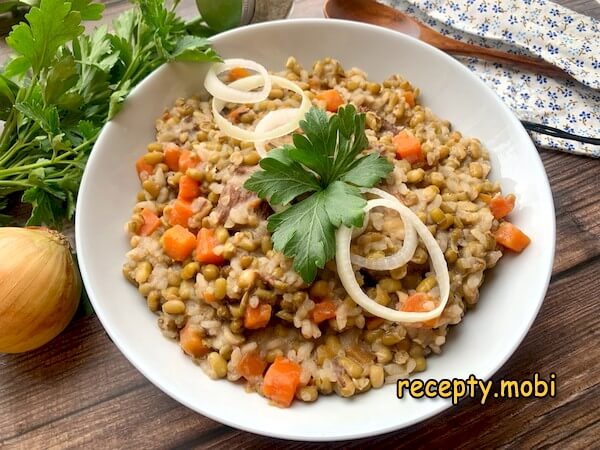
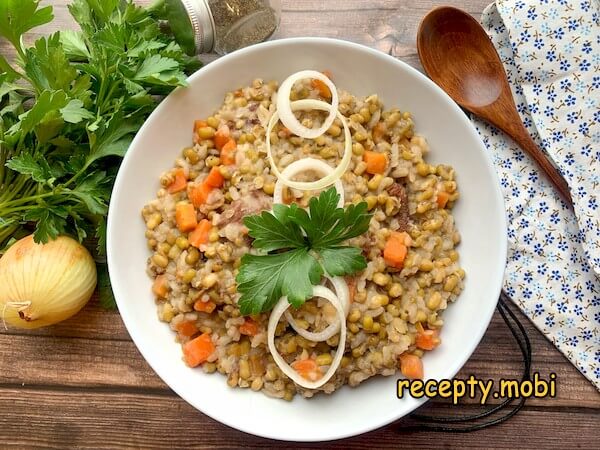
Mashkichiri Uzbek style
Several Uzbek dishes consist of a little-known ingredient for many – mash. Mash is a small bean grown in South Asia. Of course, this product is available to us regardless of the season and in any store. We have already introduced you to it in the material "How to sprout mash". Moreover, a recipe for mashkichiri in the Uzbek style has already been prepared for you, which will appeal to lovers of spicy cuisine.
Yield: 5 servings.
Cooking time: 90 minutes.
Calories: 203 kcal per 100 grams of the dish.
Cuisine: Uzbek.
Ingredients
- 300 g meat;
- 200 g mash;
- 100 g rice;
- 3 onions;
- 2 carrots;
- 30 ml vegetable oil;
- 1 tsp salt;
- ½ tsp pepper;
- 50 g dried fruits (apricots, plum or prunes).
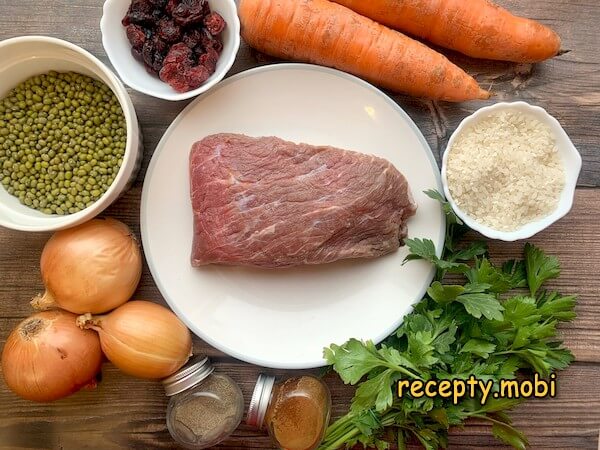
Let's prepare the necessary products for making mashkichiri in the Uzbek style.
Preparation
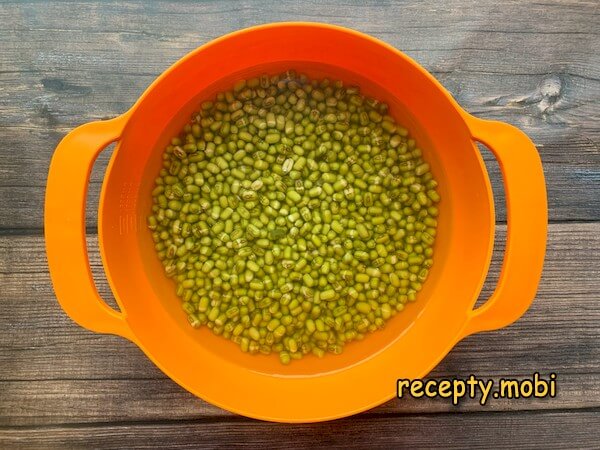
1. The day before, it is worth sorting the mash for stones and other debris. Be sure to soak it in water for at least one night. It is likely that you will need to add water, but if you decided to cook mashkichiri according to the traditional recipe, do not neglect this rule.
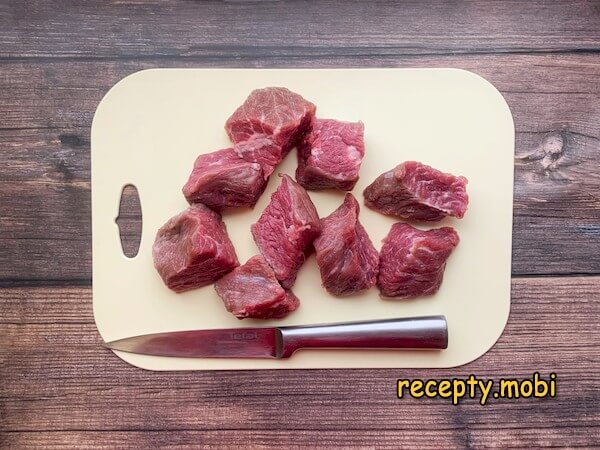
2. Rinse the meat and cut it into large pieces. You can use even the cheapest meat - beef tails, lamb neck or any part of your choice. Wipe the pieces with paper towels, as they should not be too wet.
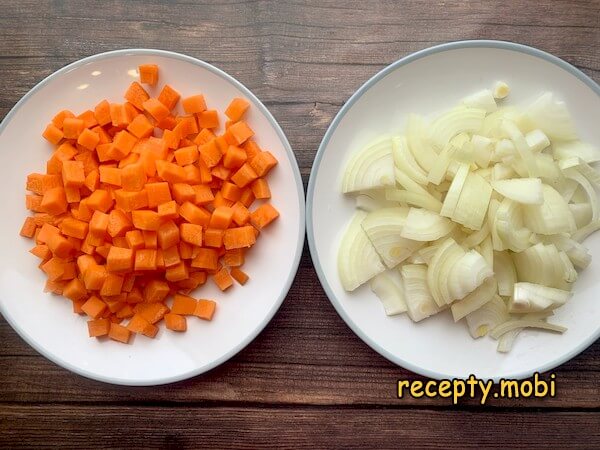
3. Peel the carrots and cut them into medium cubes. And chop the onion into half rings. By the way, keep in mind that there should be plenty of onion in this recipe, as it is an integral part of mashkichiri.
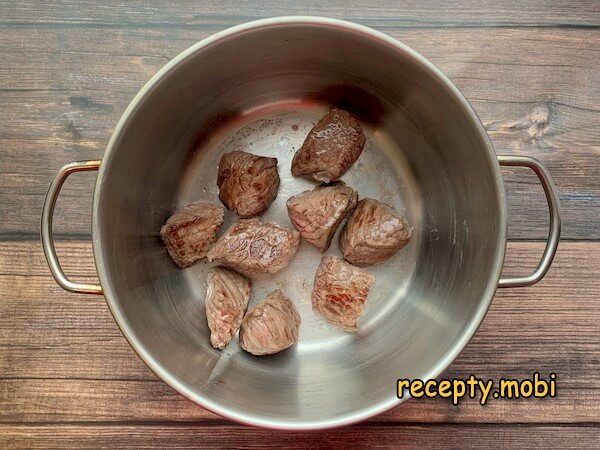
4. Heat a cauldron, frying pan or pot with a thick bottom over high heat. Add oil or lamb fat and let it heat well. Place the pieces of meat and fry on all sides until a characteristic crust appears.
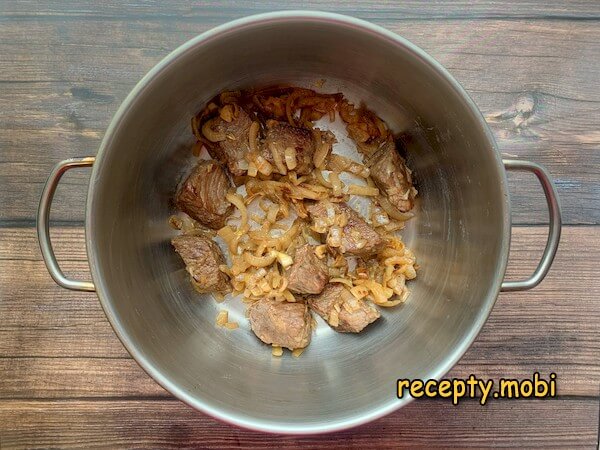
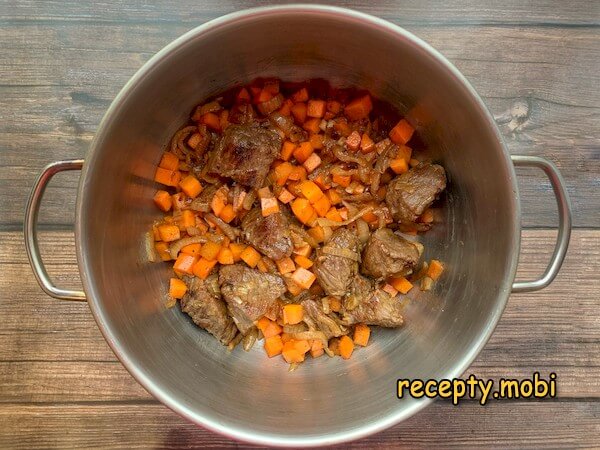
5. Then add the onion to the pieces of meat and at this stage reduce the heat. Fry the contents over medium heat for a long time, stirring often. The onion should turn into a jelly-like mass due to the meat juice, usually it takes 20-30 minutes. If something burned while you didn’t stir it in time, add half a glass of water. The excess moisture will evaporate, and the onion will lose its unpleasant blackness and achieve the right, uniform shade.
6. It’s time to salt the meat and add pepper or other spices. Usually, black pepper is not used for mashkichiri, but of course you can add it. Red chili pepper or ground chili is ideal. Now add the carrots and continue frying. How to know when the carrots are ready? It's simple – by the bright aroma and tender texture of the cubes.
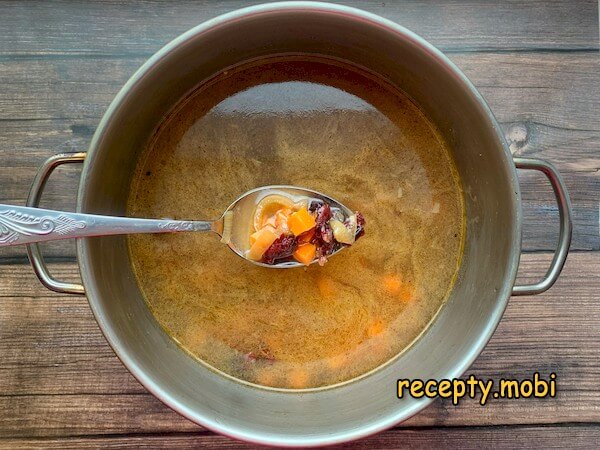
7. Add 1-1.5 liters of drinking water; this is exactly how much we need to combine all the juices and cook the mash with rice. But it's still too early to add the grains; let's cook the meat until it starts to separate from the bones. For a pleasant tanginess, add washed dried fruits and a little more salt to the zervak.
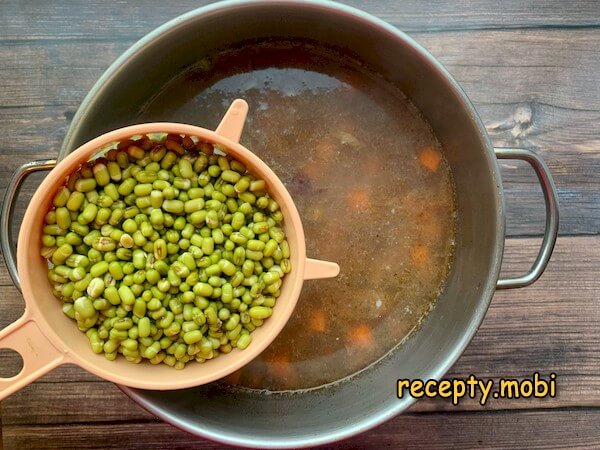
8. Once the meat is ready, add the swollen mash. Try not to increase the heat, as the zervak should not boil vigorously. Boil the mash for a long time, just until each grain bursts. This takes about 20 minutes.
9. After the mash grains have burst, it’s time to add rice. The rice should not be of expensive varieties. Cheap round grain unsteamed rice is ideal, as it provides that stickiness characteristic of porridge.
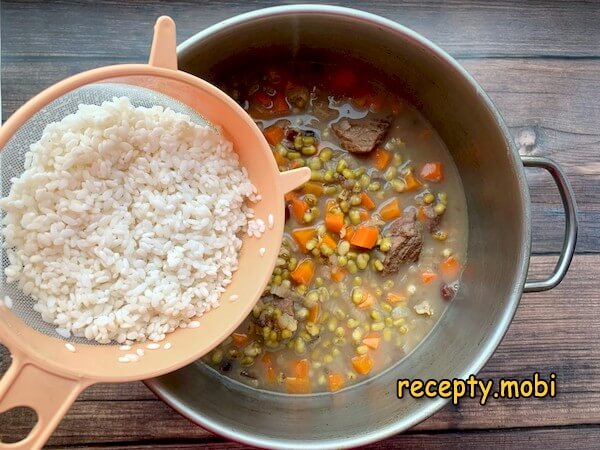
10. Cook mashkichiri until the grains are cooked and have absorbed moisture. Unlike pilaf, this dish cannot be covered with a lid and needs to be stirred constantly to prevent anything from sticking to the bottom. It is also undesirable to let the porridge steep under a lid, as in this case the contents will turn into paste.
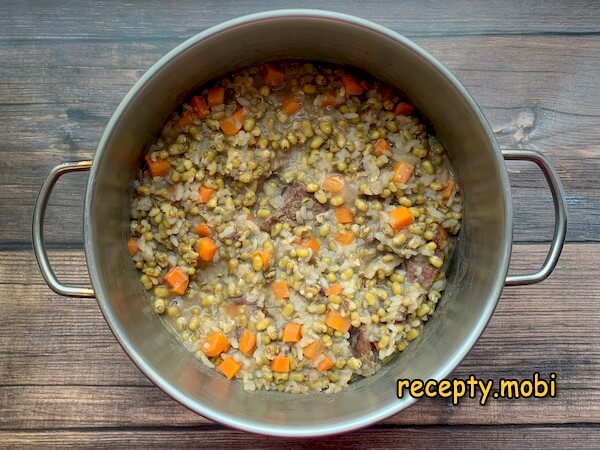
11. Mashkichiri in the Uzbek style is served at the table immediately after turning off the heat. Traditionally, the porridge is laid out in a layer on a flat plate, and pickled onion is served with the mashkichiri . Try to befriend this wonderful dish of Uzbek cuisine!. Попробуйте подружиться с этим замечательным блюдом узбекской кухни!