avg —
Classic Shakshuka – Traditional Jewish Appetizer

Instructions
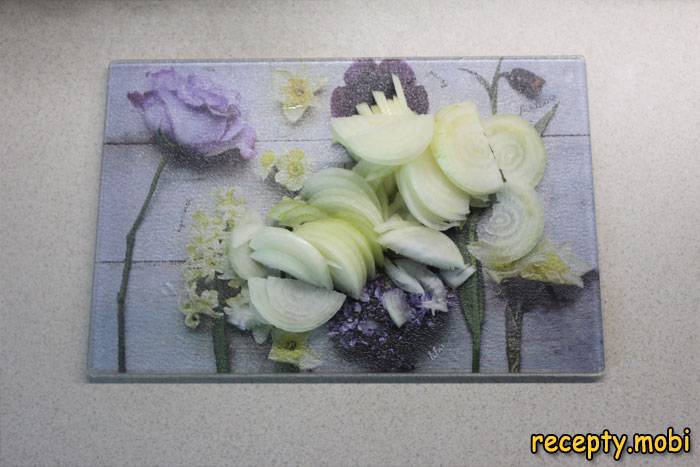
First, I prepare all the components of the dish – this is the classic principle of Eastern cooks, "mise en place". I wash the vegetables thoroughly under cold running water and peel them. I slice 2 onions into thin half-rings 2–3 mm thick – this shape looks attractive in the finished shakshuka and fries evenly.
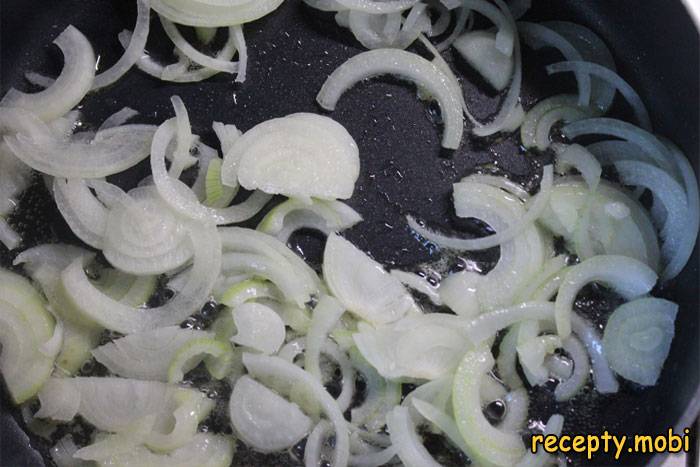
I saute the sliced onion in a hot skillet with 2 tablespoons of olive or vegetable oil until translucent and lightly golden, 3–4 minutes over medium heat – full browning is not needed, otherwise the onion will turn bitter in the finished dish.
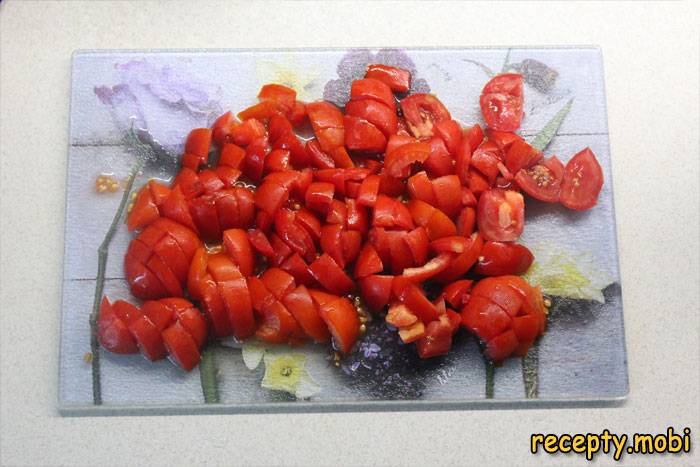
I cut the prepared tomatoes (200 g) into small 1 cm cubes – this size is best for quickly making the sauce. If you like, you can pour boiling water over the tomatoes for 1 minute and remove the skins for a more delicate texture in the finished dish – a classic restaurant trick.
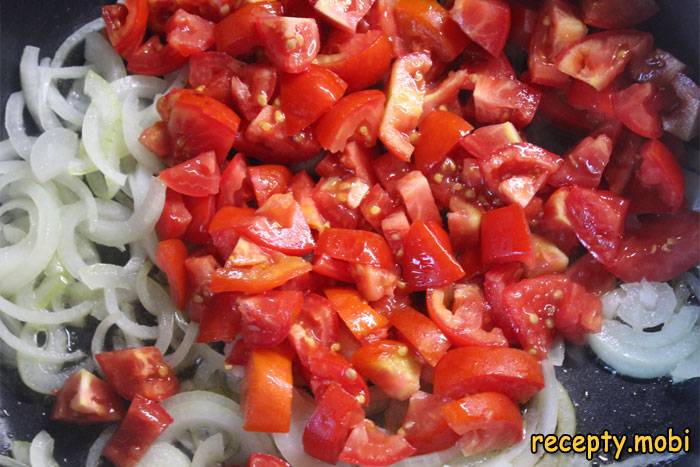
I add the diced tomatoes to the sauteed onion in the skillet. I fry the mixture for 5–7 minutes over medium heat until the sauce noticeably thickens. The vegetable mixture should darken and take on a lovely burgundy-golden hue – a sign of a properly cooked base. If you like, you can also add ½ a diced bell pepper or a little hot chilli for a juicier, more piquant flavour.
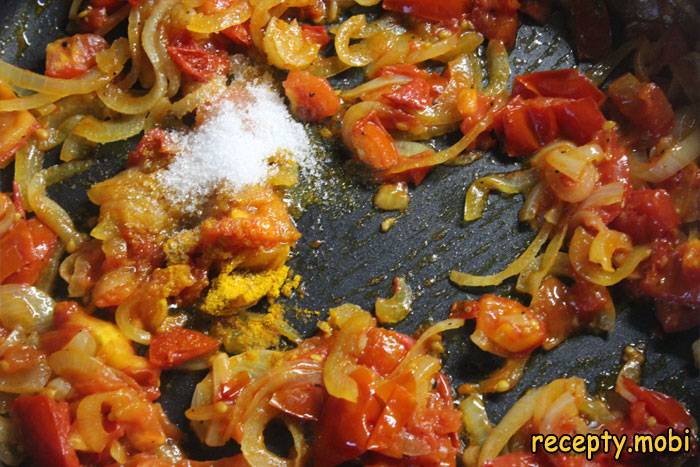
I season the tomato sauce with ½ tsp of sweet paprika, ½ tsp of turmeric (the characteristic yellow colour of Eastern cuisine), and a pinch of freshly ground black pepper. I bring the dish to taste with salt and 1 tsp of sugar – the sugar balances the acidity of the tomatoes. If the tomatoes are sweet, you can replace the sugar with 1 tsp of wine or apple vinegar for a piquant note – a classic Eastern trick.
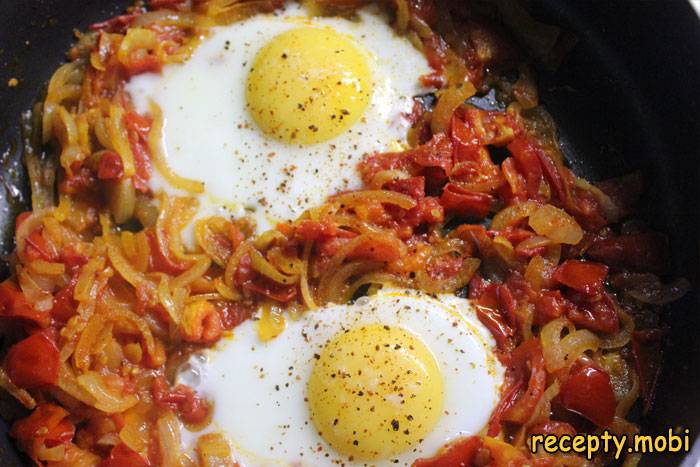
Using a tablespoon, I make 2 small wells ("nests") in the tomato mixture and carefully crack 2 fresh eggs into them, trying not to break the yolks. I lightly salt and pepper each yolk to taste. I cook the dish covered over low heat until the yolk reaches the desired consistency – 3–4 minutes for a runny yolk (the classic option for dipping bread), 5–6 minutes for medium-set, 7–8 minutes for fully cooked. I traditionally serve homemade shakshuka straight from the skillet on a wooden board – this is a classic of Middle Eastern presentation. It goes wonderfully with dark rye bread, aromatic pita, or various flatbreads for breakfast.


Tips
- 1
The tomatoes should fry down well into a thick sauce over 5–7 minutes – this way the sauce will be rich and dense rather than watery. Insufficiently fried tomatoes will give the dish a runny texture.
- 2
Add ½ a diced bell pepper to the initial frying – it will give a juicy vegetable accent and natural sweetness. A home trick used by many Eastern cooks.
- 3
Cover the eggs with a lid while they cook – this way the white sets faster in an even film, while the yolk stays juicy and runny. Without a lid the white will set unevenly.
- 4
Serve shakshuka straight from the skillet on a wooden board stand – this is the classic Middle Eastern way to serve it. A must alongside it – warm bread, pita, or flatbreads for dipping into the sauce.
FAQ
What consistency should the yolk be in shakshuka? +
This is a matter of taste and regional tradition. Classic Israeli shakshuka is made with a slightly runny yolk – that way it is easier to dip warm bread into it. The Moroccan version usually has a firmer yolk. Cook it to your taste: runny yolk – 3–4 minutes covered over low heat, medium-set – 5–6 minutes, fully cooked – 7–8 minutes. Check doneness by gently shaking the skillet – when tilted, a runny yolk still moves, while a firm one has set. The homemade version lets everyone choose their preferred degree of yolk doneness.
Can I add cheese to classic shakshuka? +
Yes, this is a popular variation. Great choices are: Greek feta (80 g in large cubes, a salty Mediterranean note), brynza (80 g crumbled, an Eastern option), goat cheese (60 g, a more delicate aroma), mozzarella (100 g, an Italian accent), halloumi (80 g fried golden on top). Add the cheese 1 minute before the eggs are done, so that it starts to melt. For a vegan version – tofu (100 g in cubes). The homemade recipe with cheese turns shakshuka into a truly hearty main course. The step-by-step recipe is easy to adapt.
What is traditionally served with shakshuka? +
Classic accompaniments: dark rye bread, Arabic pita (for dipping), Greek flatbreads, garlic baguette. For a proper breakfast – a salad of fresh vegetables (tomatoes, cucumbers, radishes, spring onion with olive oil and lemon juice), olives, feta. For drinks – freshly squeezed orange juice, Eastern-style coffee, cold mint tea. For a festive presentation – with a chilled dry white wine. Extra additions – sliced avocado, tahini (sesame sauce), hot harissa sauce for those who like it spicy. A homemade Eastern breakfast in the best traditions.
How do I keep shakshuka for the next meal? +
Shakshuka is best freshly made – its defining feature is the juicy runny yolk, which does not survive cooling and reheating. But if you have a finished dish left over, you can keep it in the fridge in a sealed container for up to 1 day. On reheating the yolks may dry out – it is better to reheat only the tomato base without the eggs and add fresh eggs before serving. You can also make the tomato base ahead (with onion and spices) and keep it in the fridge for 3 days, then in the evening reheat it and add fresh eggs for 5 minutes. A step-by-step trick for weekly meal prep.
- Comment
or post as a guest
Be the first to comment.