Homemade Tartar Sauce
The variety of ways to prepare this thick sweet-and-sour sauce allows for experimentation and choosing the most suitable recipe. However, when making Tartare sauce at home, it is advisable to start from the classic version.
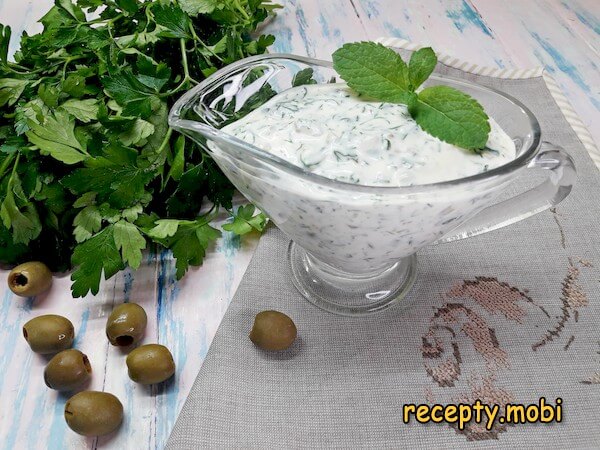
I make homemade tartar sauce every time I serve fish – a natural homemade sauce is far tastier than the shop-bought kind and has no preservatives. The many ways of making this thick, sweet-and-sour condiment let you experiment and choose the version that suits you best. Even so, it is best to start from the classic version.
Although the name suggests this is a Tatar dish, and the use of pickled cucumbers is indeed common in that cuisine, tartar sauce is actually a typically French invention. Another proof of this is that the base of the sauce is the well-known mayonnaise.
Of course, mayonnaise is sold everywhere. But to make the tartar truly homemade, it is better to prepare the base for it yourself.
My recipe is the "classic French tartar" with homemade mayonnaise. It takes 15 minutes, makes 1 serving (250 g), with 262 kcal per 100 g, French cuisine.
Ingredients
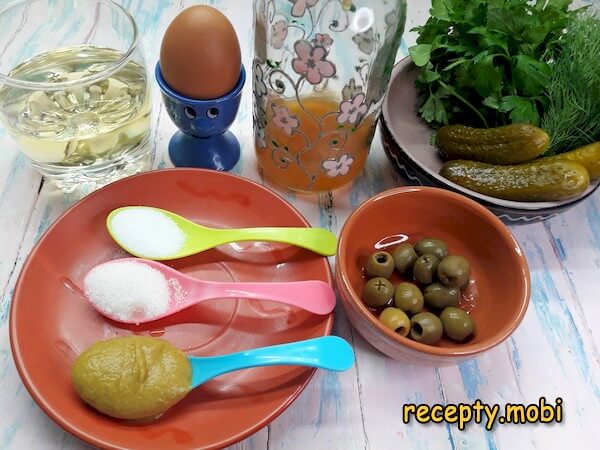
Show ingredients
- egg – 1 pc;
- odourless vegetable oil (sunflower, olive) – 100 ml;
- fine salt – 1 tsp;
- white sugar – 1 tsp;
- apple (wine) vinegar – 1 tbsp;
- thick mustard – 1 tbsp;
- parsley and dill – 10–12 g;
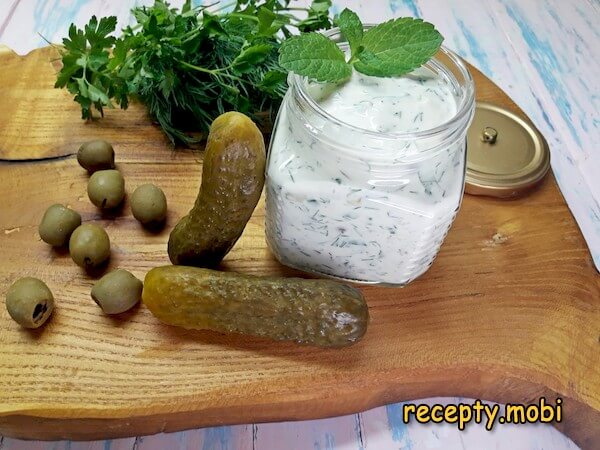
- pickled cornichons (small undergrown gherkins) – 3 pcs;
- olives – 10–12 pcs.
Step-by-step preparation
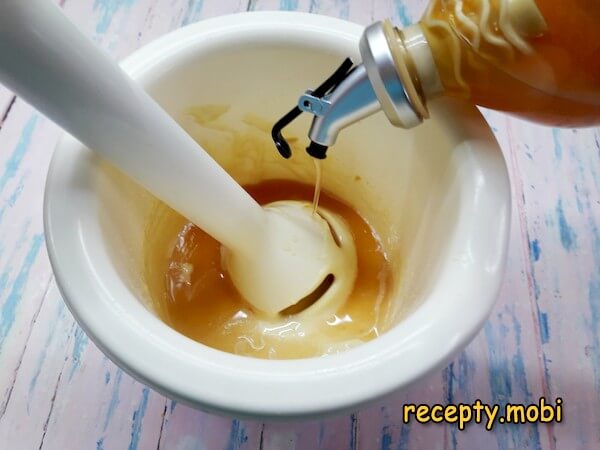
- I start by preparing the base for the tartar. I put the egg, salt, mustard and sugar into a narrow, tall mixing bowl. I blend everything with an immersion blender.
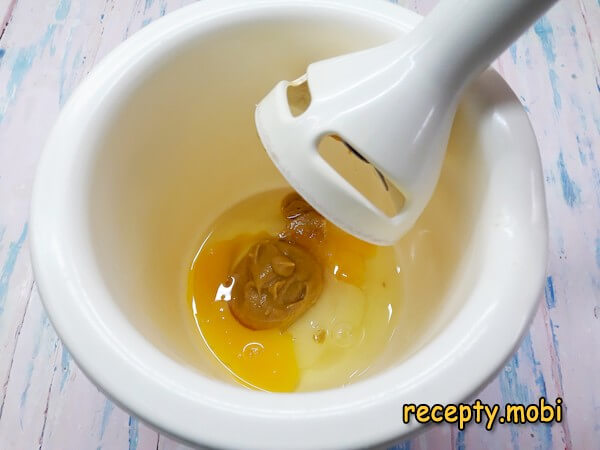
- I begin pouring in the oil in a thin stream (especially at the very start of whipping, the portions added should be very small).
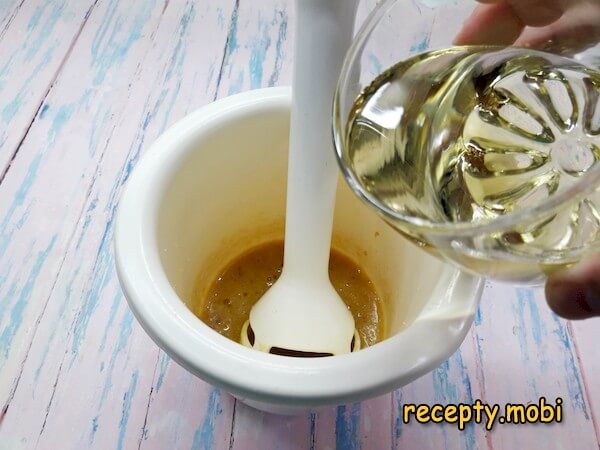
- With every second the mixture lightens and thickens more and more. But bear in mind that 1 egg can hold only 100 ml of vegetable oil. If there is more fat, the emulsion – which is essentially what mayonnaise is – will split.
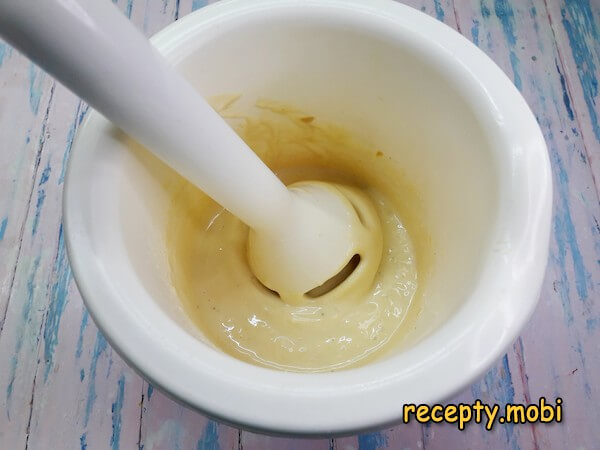
- To offset the oily sensation that the oil creates, acid is added to the mayonnaise (in the classic version, this is vinegar). I blend everything again with the immersion blender.
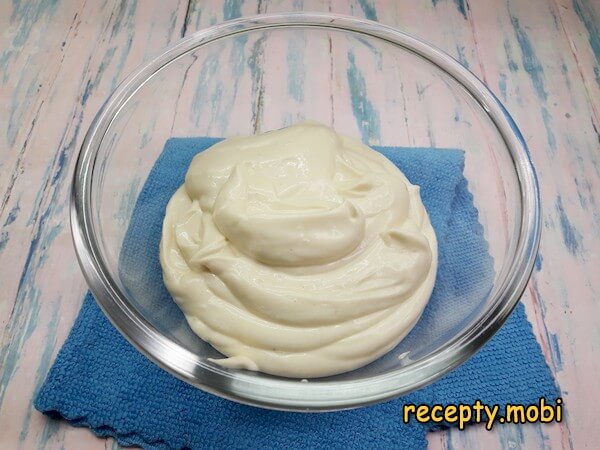
- As a result, the thick base for the tartar sauce is ready.
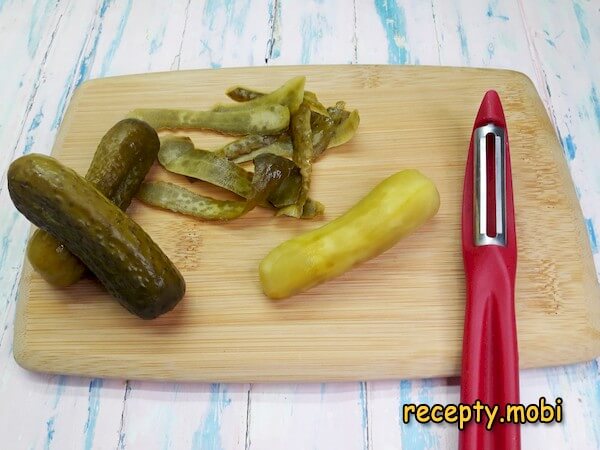
- Next, I peel a thin layer of skin off the cornichons with a vegetable peeler, so that the taste turns out more delicate.
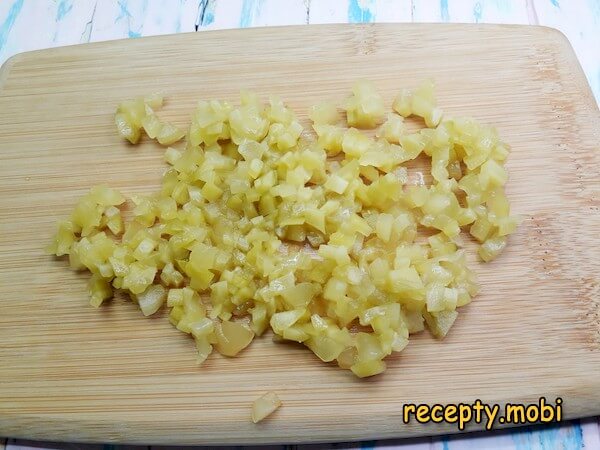
- I chop the gherkins.
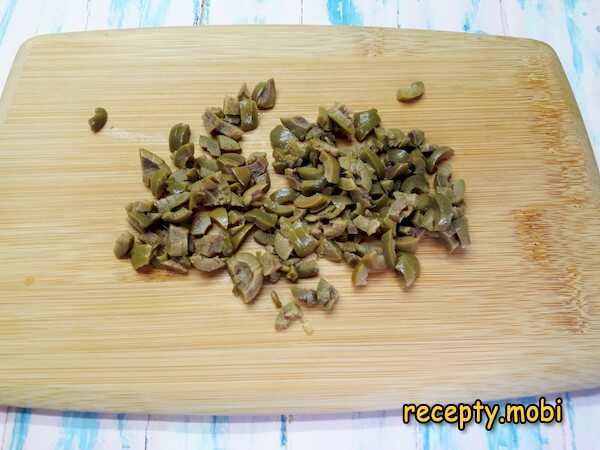
- I chop the olives in the same way.
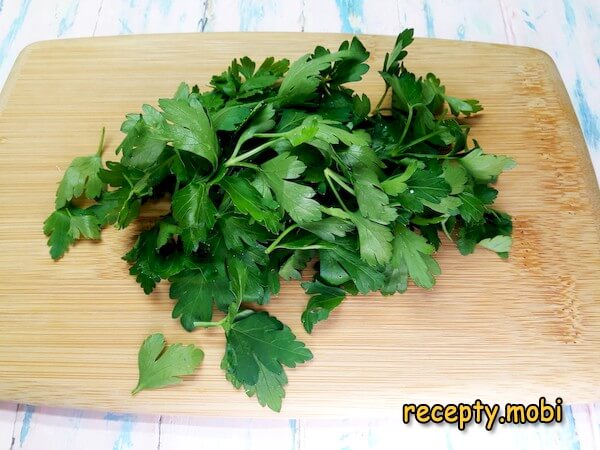
- I tear the leaves off the parsley, as the stems are rather tough for this dish.
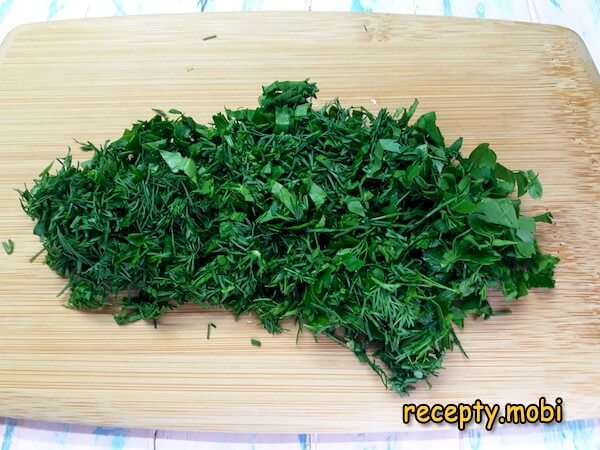
- I chop the parsley leaves together with the dill.
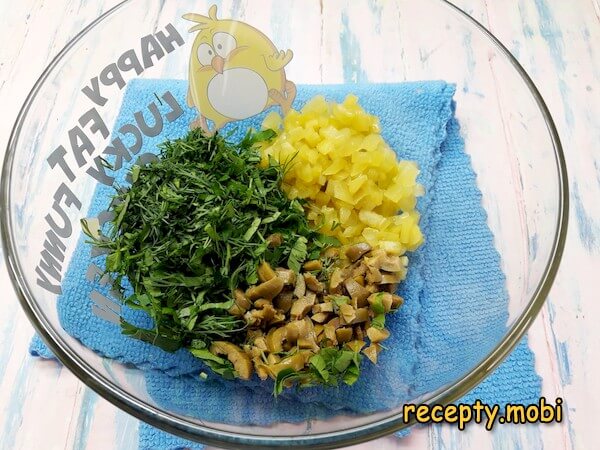
- I put the prepared cornichons, olives and the herb mix into a bowl.
- I add 2–2.5 tablespoons of the thick mayonnaise.
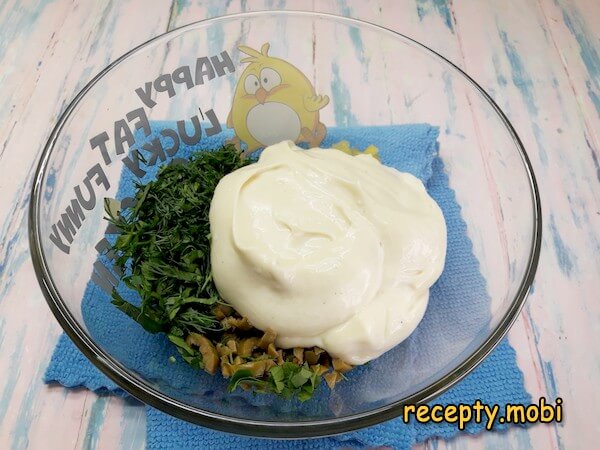
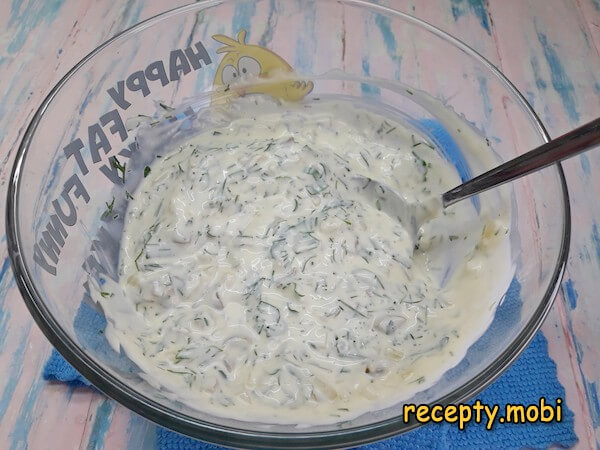
- I mix everything together. The sauce is ready.
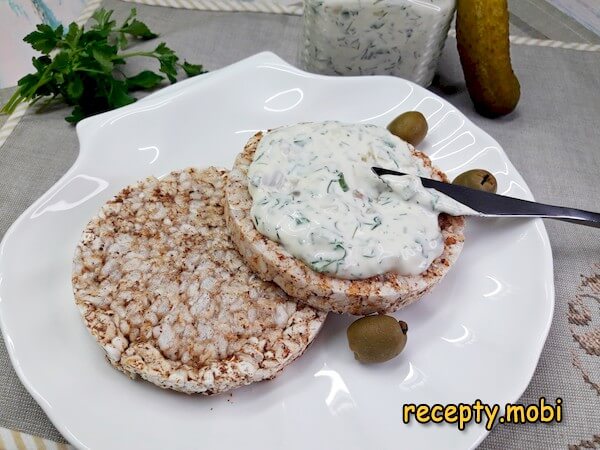
Homemade tartar sauce is used just as it is in the finest restaurants – with boiled or fried fish. But at home, in front of the TV, you can also spread it straight onto bread or a crispbread – it will be delicious!
Give it a try, bon appétit!
Tips and Tricks
Tip 1. 1 EGG PER 100 ML OF OIL is a strict ratio. More oil and the emulsion will split, the base "curdling" into greasy lumps.
Tip 2. OIL IN A THIN STREAM is the "secret" of the emulsion. Add it all at once and it will not "combine" with the egg. Go especially slowly at the start, then you can speed up.
Tip 3. VINEGAR AFTER THE BASE "offsets" the richness. The acid balances the oily taste. Without it the sauce will be "heavy".
Tip 4. PEELING THE CORNICHONS is the "secret" of tenderness. Without removing the skin the sauce is "chewy"; with it, the sauce melts in the mouth. The same principle works in other French sauces.
FAQ
Which cucumbers should I choose?+
Ideally, pickled cornichons (as in the recipe – small and crunchy). Alternatives: small pickled cucumbers (an even size) or pickles (a mix of pickled vegetables). Not suitable: salted barrel cucumbers (they change the character – you need cucumbers pickled with vinegar for the French style) and fresh cucumbers (they lack the necessary tang). A size of 4–6 cm is ideal. Peel the skin off larger cornichons for a more delicate result. Squeeze them lightly before chopping so the sauce does not "run".
What can replace the mayonnaise?+
The author recommends making it homemade (as in the recipe). Alternatives: shop-bought Provençal mayonnaise (67% fat), Greek yoghurt (10% fat, for a lighter version, though the texture is different), or sour cream (30% fat) plus mustard. Not suitable: low-fat mayonnaise (it will split) and olives in oil (they change the character). For a more delicate result, make homemade mayonnaise on egg yolks rather than whole eggs. For a lighter version, use a 50/50 mix of mayonnaise and sour cream. Homemade mayonnaise keeps in the fridge for a maximum of 3–5 days (it has no preservatives).
How long does the sauce keep?+
In the fridge, in a glass jar with a lid, for 3–5 days (homemade mayonnaise has no preservatives). With shop-bought mayonnaise as the base, up to 7 days. Any longer and the consistency will "split" and the flavour will fade. Before using, stir it and, if needed, add 1 tsp of lemon juice. Do not leave it at room temperature for more than 2 hours, as eggs spoil. Take it out 5–10 minutes before serving (it tastes better at room temperature than cold). Do not freeze it, as it will split.
What should I serve the sauce with?+
The French classic: with boiled or fried fish (cod, salmon, trout). With seafood (prawns, squid, mussels). With fish cakes, fishcakes and nuggets. On sandwiches with wholegrain bread or crispbreads. With boiled potatoes or chips – the "French" option. With baked vegetables (broccoli, cauliflower). With roast beef or steak – an unusual way to serve it. With salads featuring roast beef or smoked fish. On toast as a snack – a "homemade" serving. It is a versatile sauce for fish and seafood.