 Marinating
Cucumbers in Mustard Dressing for Winter
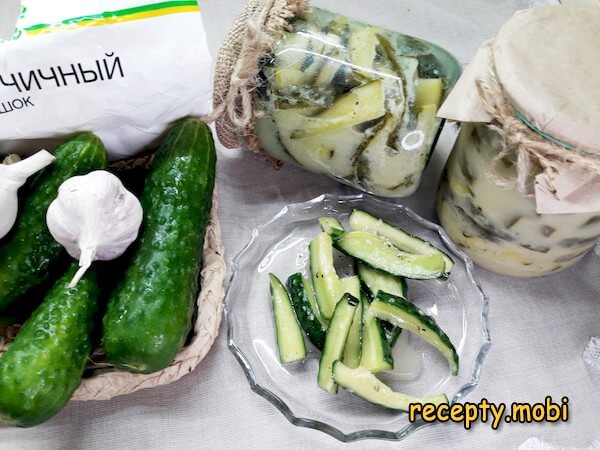
Cucumbers in mustard marinade for winter are an unusual, crunchy and remarkably fragrant appetizer that will pleasantly surprise and rescue …
Winter preserve recipes capture the summer and autumn harvest in jars, crocks and the freezer. The section covers pickling, fermenting, jam-making, salting, canning sauces and compotes, plus drying.
Culinary tradition splits long-term preservation into four core methods. Pickling submerges vegetables and mushrooms in an acidic vinegar brine – crisp and tangy. Fermenting and salting rely on lactic acid bacteria or a dry salt cure – cabbage, cucumbers and mushrooms keep their vitamins while developing sourness. Jam-making uses high sugar concentration to turn berries and fruit into spreads and conserves. Heat-processed jars – compotes, sauces, lecho, vegetable caviars – are sealed after sterilisation.
The recepty.mobi catalogue organises home canning by raw product, processing method and shelf life – Soviet-era classics, regional traditions and modern no-sterilisation recipes.
Quality preserves depend on freshness and accurate ratios: salt, sugar, vinegar and water in the brine determine flavour and shelf life. Standard equipment – glass jars 0.5–3 L, twist-off lids, a canning key, enamel pots. Jars are sterilised with steam or in the oven.
Every recipe on recepty.mobi includes precise gram weights, processing times and step-by-step photography. The recipe analyzer helps filter preserves by ingredients on hand.
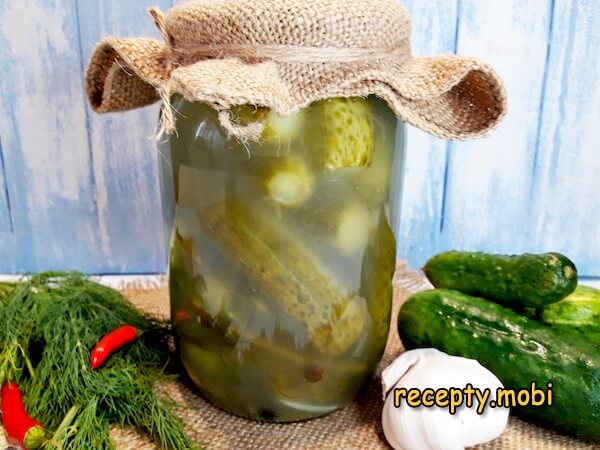
Fermented cabbage, vegetables, and other homemade preserves. Simple recipes for nourishing snacks, using both old-world and modern methods.
View →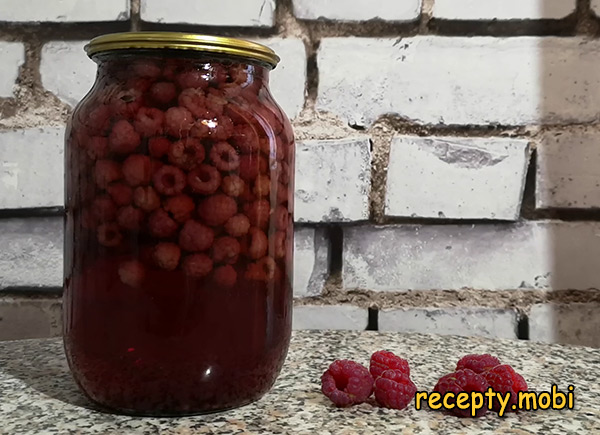
Homemade compotes to preserve for the winter – made with berries and fruit. Simple recipes for tasty drinks with precise proportions.
View →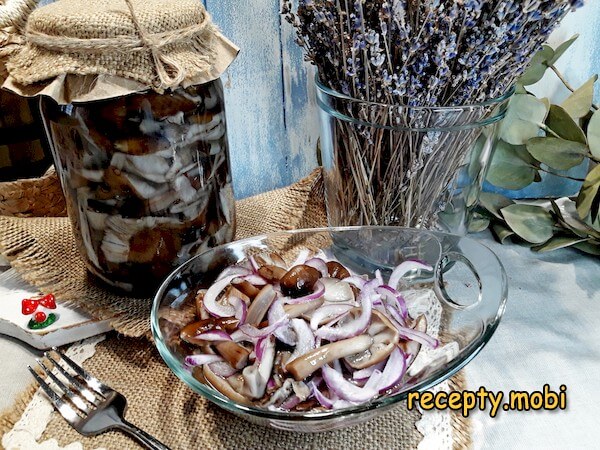
Salted cucumbers, tomatoes, mushrooms, and vegetables for the winter. Tried-and-true recipes for delicious, crisp preserves.
View →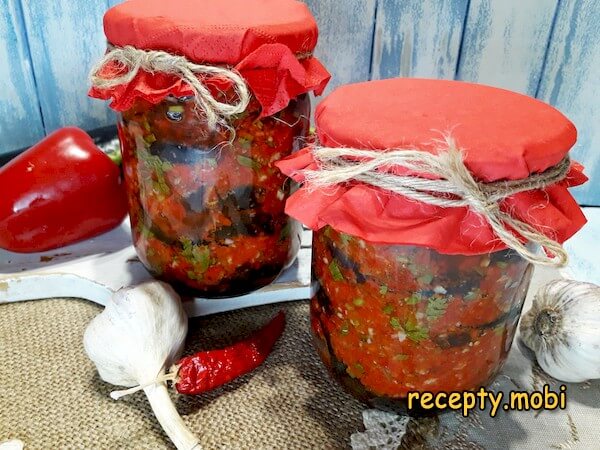
Salads for Winter Winter salad recipes cover mixed vegetable jars that are ready to serve straight from the shelf. The section combines preserves built on tomatoes, cucumbers, eggplant, zucchini and bell peppers with varying levels of heat and sweetness. A winter salad usually rests on three components: chopped vegetables, a sauce base (tomato juice, vegetable oil, vinegar) and spices. Vegetables are diced, sliced or julienned and simmered with the oil and brine for 15–40 minutes – the heat treatment sterilises the mix and binds the flavours. Vinegar goes in near the end of cooking to keep the acidity in the finished jar. The salad is packed hot, sealed and turned upside down. What the section covers Tomato and cucumber – Kuban-style, Winter King, mixed with bell pepper; Eggplant – Bakat, Mother-in-law's Tongue, Georgian-style, with beans; Zucchini – Yurcha, Korean-style with carrot, with tomatoes 'lick-your-fingers'; Green tomatoes – Korean-style, no-sterilisation, in spicy brine; Universal mixes – '4x4' assortment, 'Ogonyok', vegetable medleys with beans or rice. Salads call for firm, not overripe vegetables – these hold their shape during cooking. Jars of 0.5–1 L work better for a family table than the standard 3-litre size. Storage in a cool dark place gives up to 12 months. Every recipe on recepty.mobi includes exact proportions and step-by-step photography.
View →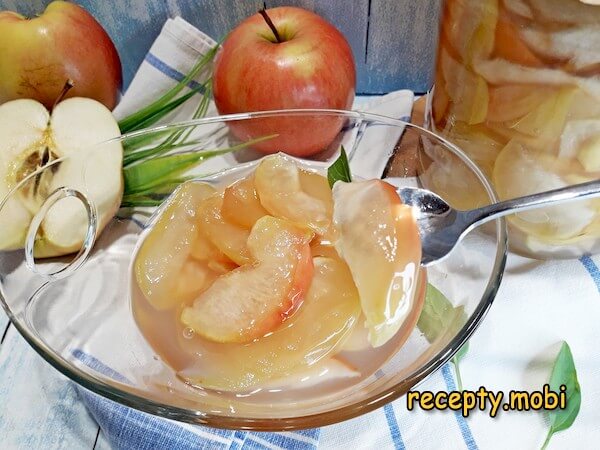
Jam Jam recipes capture summer berries and fruit in a thick, sweet preserve that keeps until the next harvest. The section combines classic long-cooked jams, quick five-minute versions, and dense conserves made with pectin or agar. Jam-making rests on the ratio of sugar to fruit and the cooking time. A classic 1:1 ratio yields a medium-thick syrup with whole berries. Conserves and confiture are cooked down with pectin or agar-agar into a thicker spread suited to cakes, toast and pastry fillings. Five-minute jam works differently: berries are layered with sugar, rested to draw out juice, then boiled briefly – keeping the fresh flavour of the raw fruit. Types of jam in the catalogue Berry jams – whole-berry strawberry, raspberry, cherry with or without stones, blueberry; Fruit jams – sliced apricot, plum with the stone, apple with cinnamon, pear, mandarin; Citrus and exotic – orange peel jam, mandarin, melon with lemon, fig, royal gooseberry; Unconventional bases – cherry tomato jam, pumpkin, zucchini, rose petal, hawthorn; Conserves and thick spreads – pectin-set, agar-set, or long-reduced for a dense texture. A wide enamel pan or copper basin works best – the surface area concentrates the syrup. Hot jam is sealed in sterilised jars. Every recipe on recepty.mobi includes exact proportions, cooking times and step-by-step photography.
View →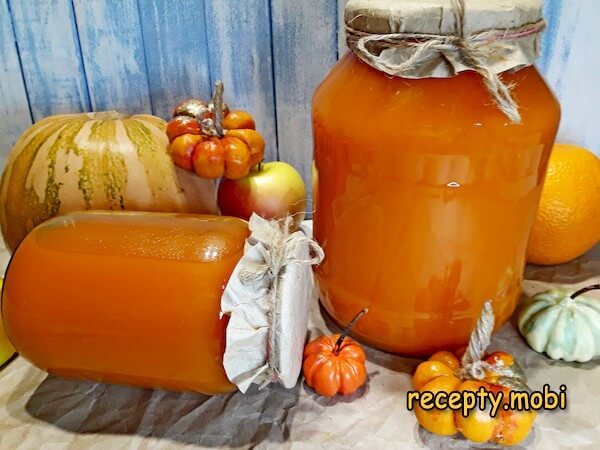
Other Preparations Other winter preparation recipes cover preserving methods that fall outside classic pickling, jam-making or sauces. The section gathers freezing, drying, soup base mixes, fruit jellies, candied peel and miscellaneous home preserves. Freezing and drying are two methods with minimal vitamin loss, without sugar or vinegar. Herbs are washed, chopped and packed in bags or olive-oil ice trays. Mushrooms, berries and chopped vegetables are flash-frozen on a tray, then transferred to a shared container. A food dehydrator or convection oven at 50–60 °C reduces mushrooms, fruit, herbs and citrus peel to a concentrated product with a long shelf life. What the section covers Freezing – herbs with oil, mushrooms in portions, berries for smoothies and pies; Drying – champignons in a dehydrator, citrus peel, vegetable chips, dried herbs; Soup base mixes – beetroot for borscht, pickle soup starter, vegetable medley; Fruit jellies – strawberry, red currant, raspberry for cakes and toast; Candied peel – orange and lemon zest, pumpkin, ginger; Speciality jars – tomatoes in their own juice, mushroom marinade base, sorrel. Storage depends on the method: freezing – up to 12 months, dried products – a year in containers, jellies and candied peel – up to 6 months in the fridge. Every recipe on recepty.mobi includes exact proportions and photography.
View →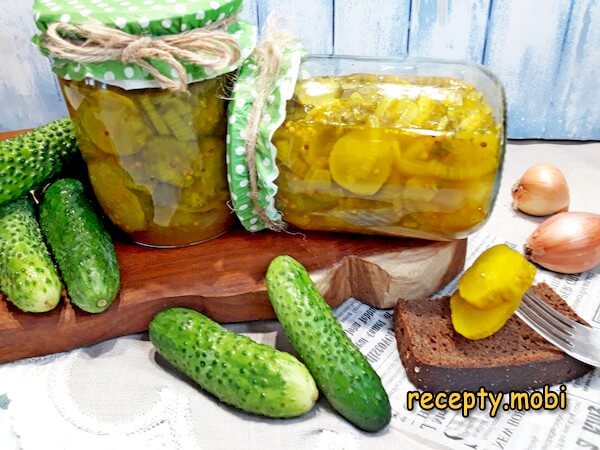
Marinating Marinating recipes capture vegetables and mushrooms in a vinegar-based brine with salt, sugar and spices for long-term storage. The section gathers classic crispy preserves and quick no-sterilisation variants for jars of all sizes. Quality marinated preserves depend on balancing four core ingredients: water, salt, sugar and vinegar. A standard vegetable brine per litre of water uses 2 tablespoons of salt, 3 tablespoons of sugar and 100 ml of 9% vinegar. To keep cucumbers and zucchini crisp, the jar gets a leaf of horseradish, blackcurrant, oak or cherry – the tannins lock the cell structure. Spices – peppercorns, cloves, bay leaf, dill umbels, garlic – build the aromatic profile and act as natural preservatives. What the section covers Cucumbers – 1-litre and 3-litre jars, gherkins, mixed with tomatoes, with marigold petals; Tomatoes – whole, sliced with onion, in their own juice, with the 'snow' of garlic; Zucchini and patty pans – crisp for winter, with dill, Korean-style with carrots; Peppers and eggplant – stuffed, sliced, in tomato sauce; Mushrooms – marinated honey fungi, champignons, moss mushrooms, porcini without sterilisation. Jars are sterilised with steam; brine goes in boiling. With correct ratios and storage the jars keep up to 12 months. Every recipe on recepty.mobi includes exact gram weights and step-by-step photography.
View →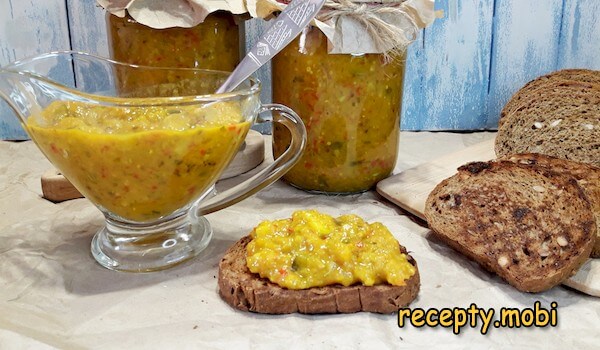
Sauces for Winter Sauce recipes for winter cover preserves in jars that serve as a versatile condiment for meat, sides, pasta and bread. The section combines Soviet-era classics and Caucasian recipes built on a vegetable base. Most winter sauces rely on three key ingredients: tomatoes, bell peppers and garlic. Tomatoes are passed through a grinder or blender, reduced until thick and acidified with vinegar or citric acid – the resulting base supports ketchup, adjika and tkemali. Peppers and eggplant add body and sweetness in lecho and vegetable caviar; garlic delivers heat and aroma. Spices – paprika, coriander, black pepper, khmeli-suneli – define the character of each individual sauce. What the section covers Adjika – tomato-garlic base, apple variants, fiery hot pepper versions; Lecho – classic with bell peppers, with eggplant, no-sterilisation options; Zucchini and eggplant caviar – USSR GOST recipe, no-sterilisation, with tomato paste; Tomato sauces – homemade ketchup, gorloder, pizza base, meat condiment; Garlic and hot pastes – garlic paste, tkemali, dressings. Sauces are packed hot into sterilised jars of 0.3–0.5 L – a convenient size for one or two servings after opening. Storage in a cool dark place gives up to 12 months; opened jars keep 2–3 weeks in the fridge. Every recipe on recepty.mobi includes exact proportions and step-by-step photography.
View →
Marinating
Cucumbers in mustard marinade for winter are an unusual, crunchy and remarkably fragrant appetizer that will pleasantly surprise and rescue …
 Marinating
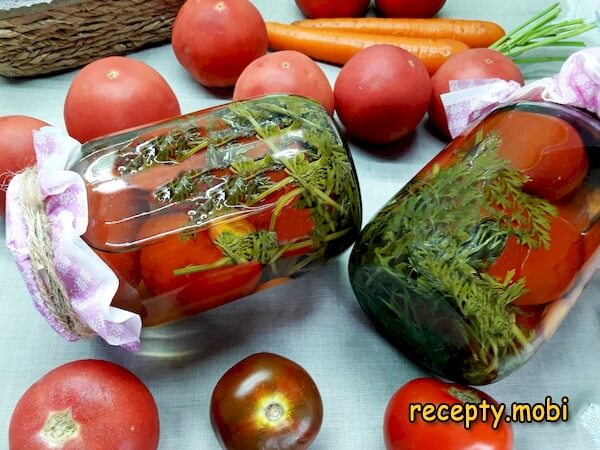
Pickled tomatoes with carrot tops for winter is an unexpectedly delicious and unusual preserve where ordinary carrot greens become the secre…
 Other Preparations
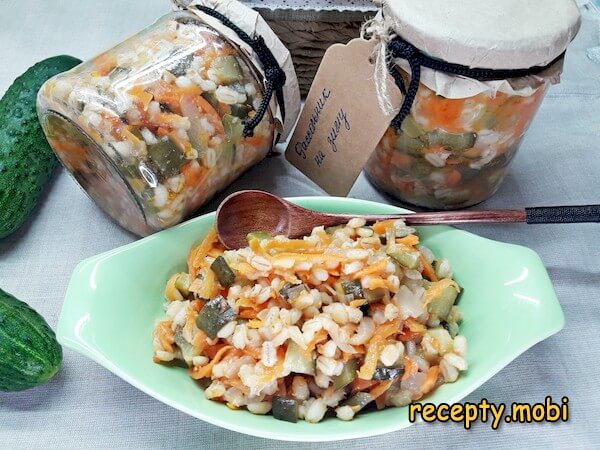
This rassolnik soup base in jars is one of the most useful winter preserves a Russian-cuisine cook can have on hand — a single jar transform…
 Other Preparations
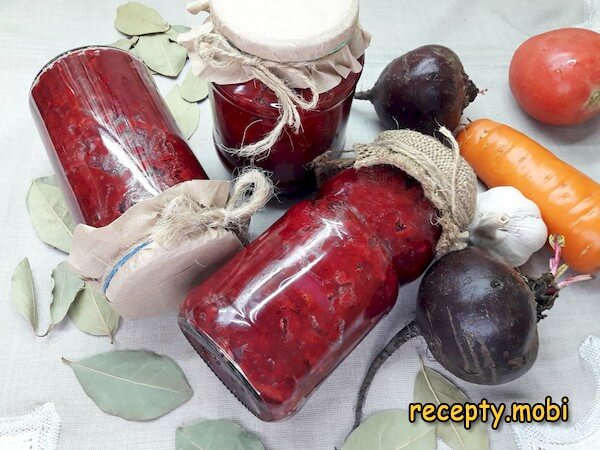
This borscht beet base is one of the most useful winter preserves a borscht-loving cook can have on the shelf — a single jar transforms 20 m…
 Other Preparations
Strawberry jelly for winter is a fragrant and remarkably pretty preserve with a deep ruby color and a thick, jelly-like texture, especially …
 Jam
Jam
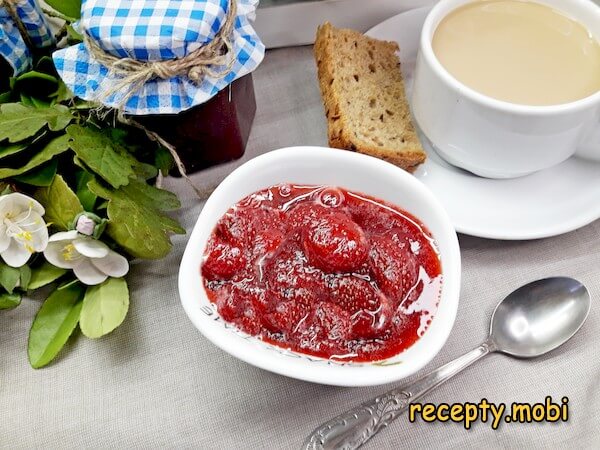
The sweet berry strawberry is perhaps the most harvested in the summer season. This is explained by the fact that its aroma and flavor (afte…
 Salads for Winter
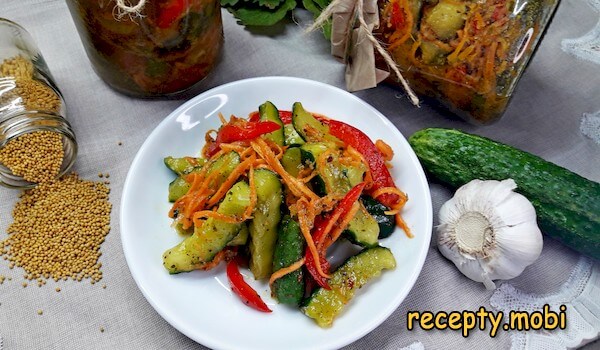
These Korean-style pickled cucumbers with carrots are a spicy, deeply flavorful winter preserve that disappears fast at any table. They diff…
 Jam
Jam
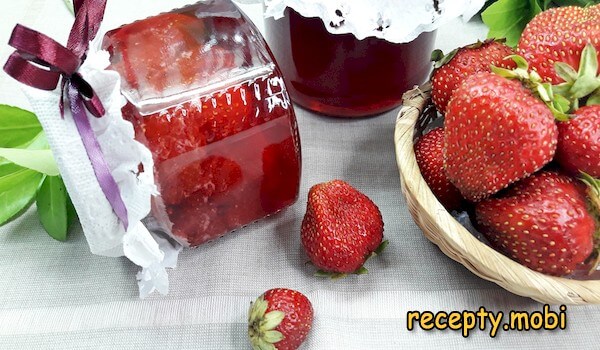
Strawberry jam with gelatin for winter is the perfect recipe for anyone who wants the berries to stay whole, bright and beautiful in the jar…
 Jam
Jam
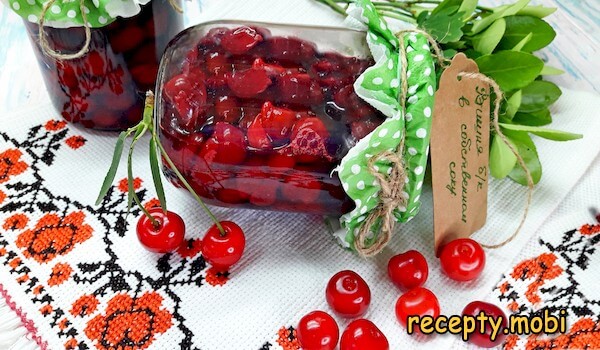
Pitted cherries in their own juice for winter is a natural and versatile preserve that's prized for using minimal sugar (or none at all), pr…
 Compotes for Winter
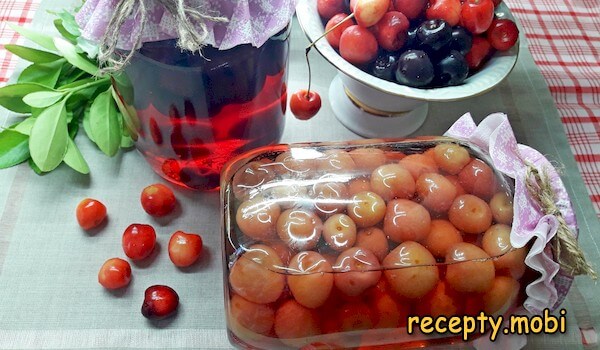
Fleshy and firm berries, as if just picked from the branch, can be enjoyed not only in summer, if you prepare cherry compote for winter. Thi…