avg —
Icing for Kulich

Instructions
I get the ingredients ready. Instead of orange you can use lemon — the aroma and the gentle tartness of citrus make the icing especially tasty and stop it being overly sweet.
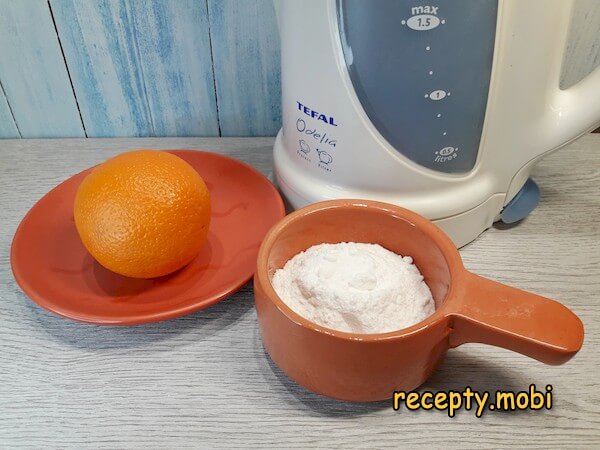
If there's no packet of powdered sugar in the house but you have a coffee grinder, there's no need to make a special trip to the shop. Using this kitchen gadget, you can easily grind ordinary sugar into powder.
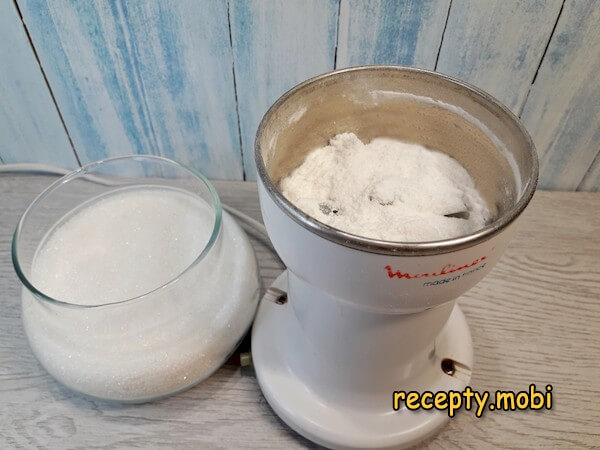
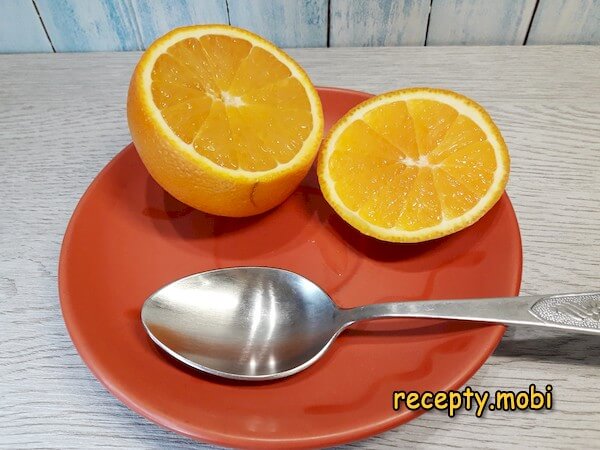
I squeeze the juice from an orange. The amount is small, so no special equipment is needed — the juice can be squeezed out by hand.
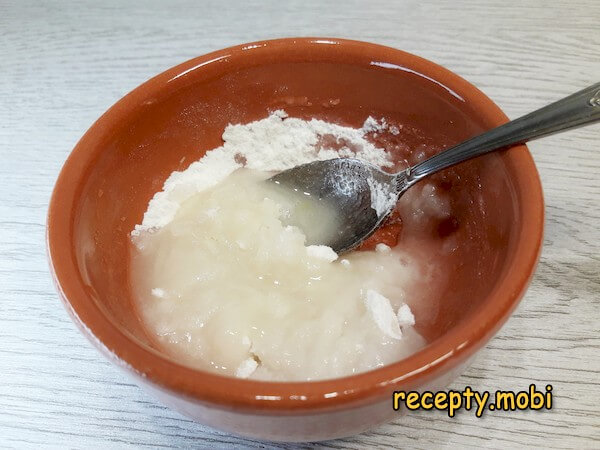
Now I begin adding the powdered sugar to the juice in small portions. I stir the mixture, adjusting the consistency with sugar and juice.
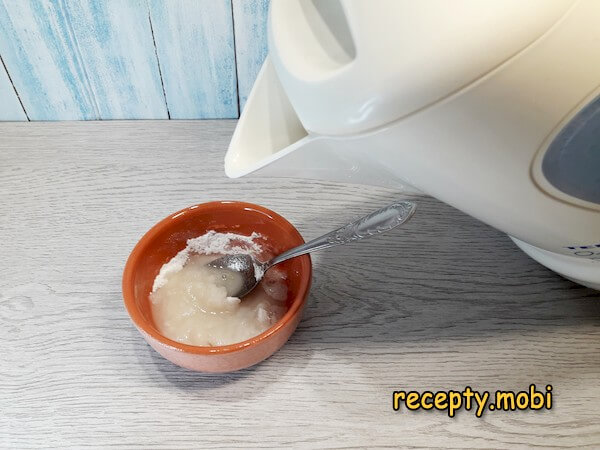
Next I add a spoonful of hot water. If the icing turns out too runny, I sprinkle in a little more powdered sugar, and if it becomes too thick, I pour in literally a few drops of water.
Now this mixture needs to be beaten thoroughly with a blender.
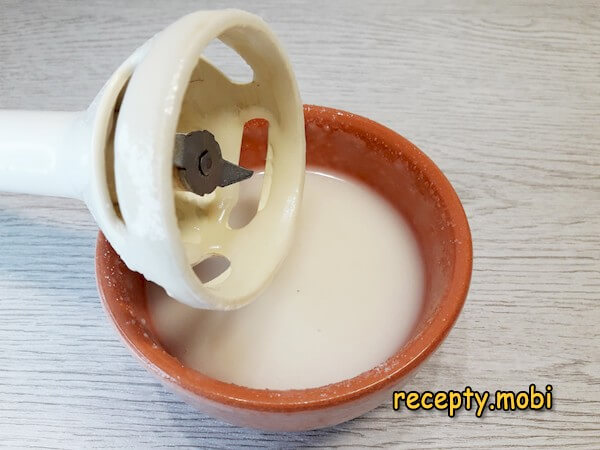
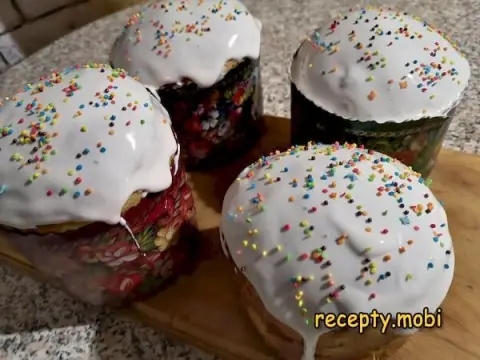
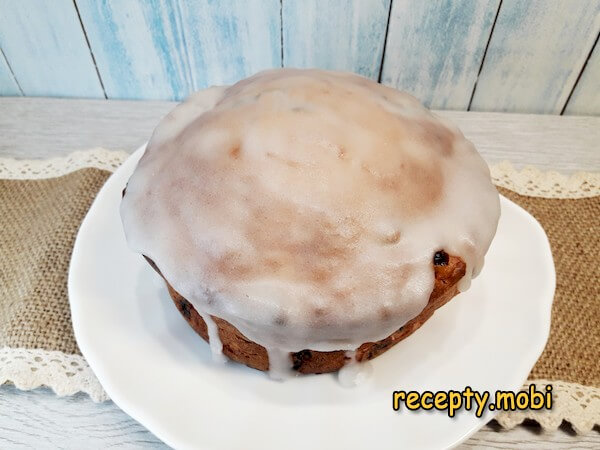
The quickest and most budget-friendly icing for kulich is ready. All that's left is to spread it over the cooled bake. Beautiful drips will form all along the top, and while the icing hasn't yet set and crusted over, I scatter confectionery balls, hearts or stars over it — or leave the top snow-white.


Tips
- 1
CITRUS JUICE is the secret to the flavour. Plain water alone gives an over-sweet, cloying icing. Orange or lemon juice adds freshness and keeps it from being sickly sweet.
- 2
HOT WATER is the secret to smoothness. Cold water won't dissolve the powdered sugar completely. Hot water gives a perfectly smooth icing without any grains.
- 3
THE BLENDER AT THE END is the secret to a uniform texture. A spoon leaves lumps behind. Thirty seconds with a blender makes the icing perfectly smooth, like shop-bought.
- 4
SPRINKLES STRAIGHT AWAY are the secret to them sticking. Sprinkles won't stick to set icing. While it's still wet they "glue" themselves on firmly. The same principle works with other kinds of glaze for kulich.
FAQ
Which powdered sugar should I choose? +
Ideally, fine powdered sugar with no additives (100 g — it dissolves quickly). Alternatives: "Confectioner's" powdered sugar (100 g — a premium choice), powdered sugar with an anti-caking agent (100 g — keeps conveniently), ordinary sugar ground in a coffee grinder (100 g — as suggested in the recipe), "Decor" powdered sugar (100 g — extra fine), coconut powder (100 g — "gluten-free"), powdered stevia plus starch (50 g + 50 g — "diabetic"). Fresh powder in airtight packaging is the premium option. Don't use: vanilla-scented powder (it will spoil the citrus flavour) or lumpy powder. For the "classic" icing, go for fine, neutral powder.
What can replace orange juice? +
Alternatives: lemon juice (1.5 tbsp — brighter tartness), mandarin juice (1.5 tbsp — milder), lime juice (1.5 tbsp — premium), grapefruit juice (1.5 tbsp — premium, slightly bitter), a 50/50 mix of orange and lemon juice (0.75 tbsp each — premium), apple juice (1.5 tbsp — "economy", without the tartness), cherry juice (1.5 tbsp — tints the icing pink). Freshly squeezed juice is the premium option. Don't use: juices with a lot of added sugar (too cloying) or fruit nectars diluted with water. For the "classic" icing, go for fresh citrus juice.
How long does the icing keep? +
Fresh icing is at its best right after beating (it must be applied immediately to cooled kulich). At room temperature in a closed container it keeps no more than 30 minutes (after that it will set in the bowl). If it has set, hold the container in hot water for 1 minute, stir, and apply. On the kulich the icing hardens in 5–10 minutes and keeps along with the kulich for 5–7 days. In the freezer (on the kulich) it lasts up to 2 months, though it may lose its shine when thawed. Don't store the finished icing in the fridge — it will separate and won't spread.
How to decorate a kulich with icing? +
The classic Easter way: with an assortment of coloured sugar sprinkles. With tinted coconut flakes. With sugar pearls. With sugar flowers for kulich. With chopped nuts (almonds, walnuts, hazelnuts). With finely chopped candied fruit. With chocolate shavings. With fresh berries (before serving). With sugar figures (rabbits, chicks). With coloured fondant in the shape of flowers. With little chocolate eggs. With powdered sugar through a stencil. For the "Easter table", a versatile decoration. For children, bright sprinkles with animal figures. The icing holds any sprinkles well while it is still wet.
- Comment
or post as a guest
Be the first to comment.