Write a comment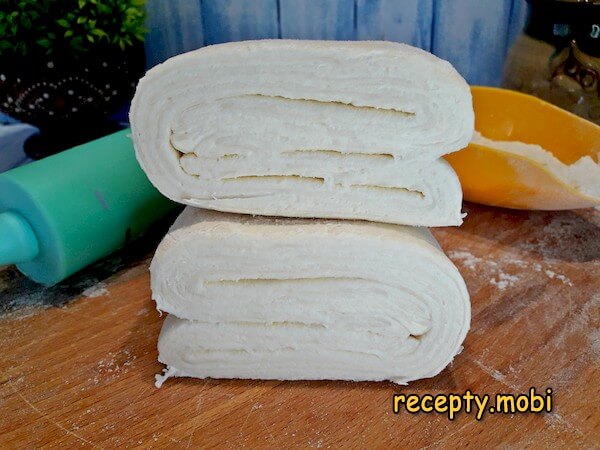
Layered unleavened dough
Classic layered unleavened dough is made exclusively from flour, water, and butter. At first, it may seem that this process is very long and tedious, as the dough must be cooled between rollings by placing it in the refrigerator. But if you occupy yourself with other tasks in the kitchen during this time, the time will fly by unnoticed, and there is nothing complicated in the actual preparation, the main thing is to follow the recommendations given below.
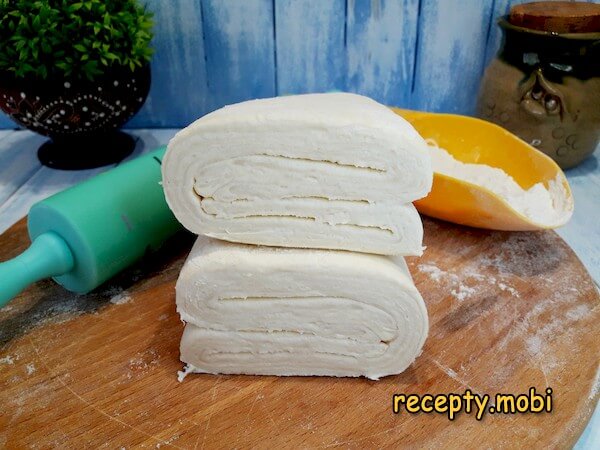
In the end, the dough will be multi-layered, the layers will puff up, separating from each other, and the taste qualities will be above all praise, as natural butter is used in the composition.
Preparation time: 3 hours.
Yield: 1 serving (470 grams).
Caloric value: 418 kcal per 100 grams of the dish.
Ingredients
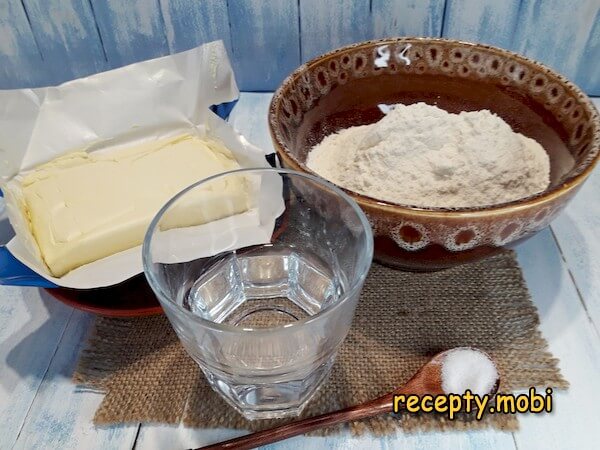
- flour (wheat) – 200 g;
- purified water – 100 g;
- fine salt – 1/2 tsp;
- butter – 180 g.
Preparation
1. Prepare the ingredients. The water should be at room temperature. The butter should have a fat content of 82% or 72%, and it should be taken out of the refrigerator in advance (about 20 minutes) so that its structure becomes pliable.
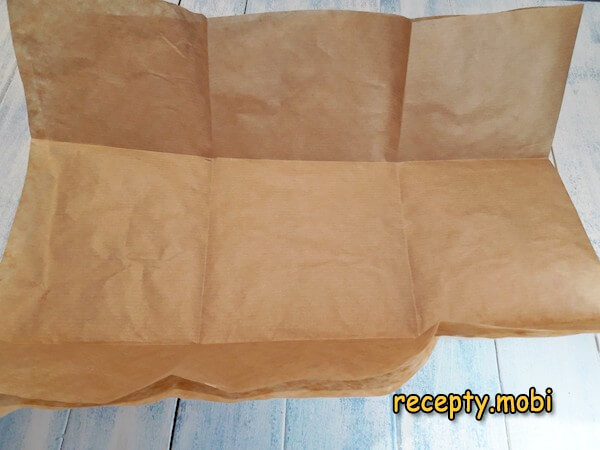
2. First, prepare an envelope from parchment paper, which will give the butter the desired shape. To do this, make folds on a piece of parchment, where the center should be a square with a side of 12 centimeters.
3. When the paper square is ready, place the butter in the center and fold the edges along the marked creases.
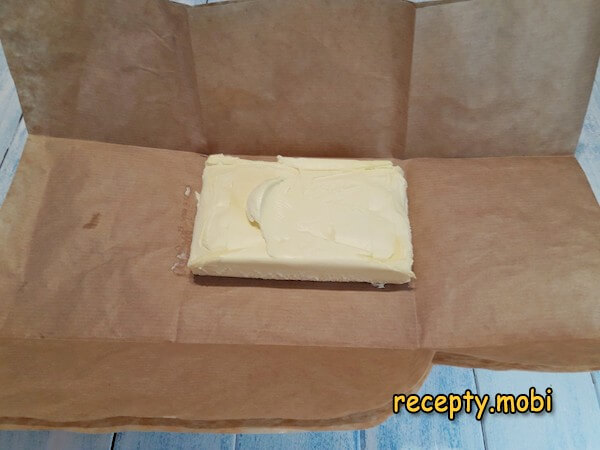
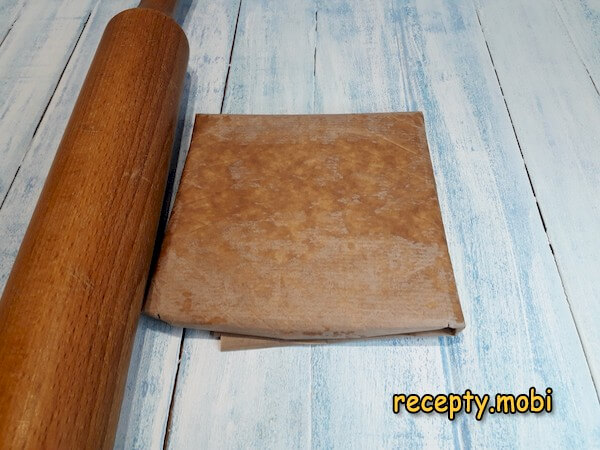
4. Now, with a rolling pin, start rolling the butter – it will fill all the empty space, taking the shape of a square. Place the dough in the refrigerator for 30-40 minutes.
5. Meanwhile, you can prepare the dough. Stir the salt in the water until fully dissolved.

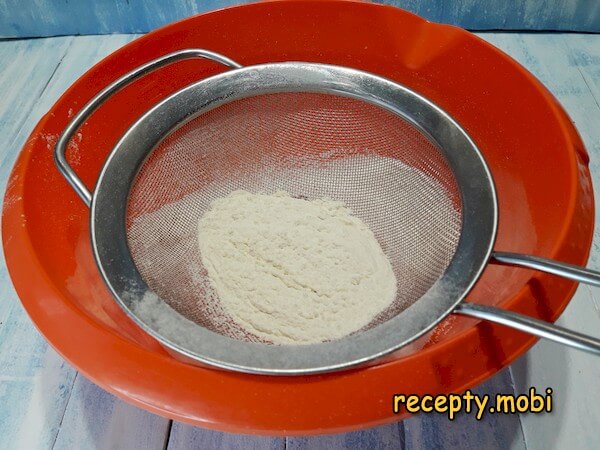
6. Sift the flour into a bowl.
7. Pour all the water into the center of it.
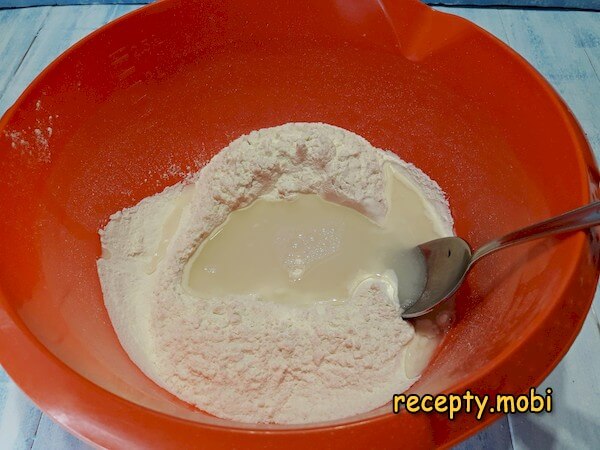
8. Gradually start kneading the dough. At first, with a spoon right in the bowl.
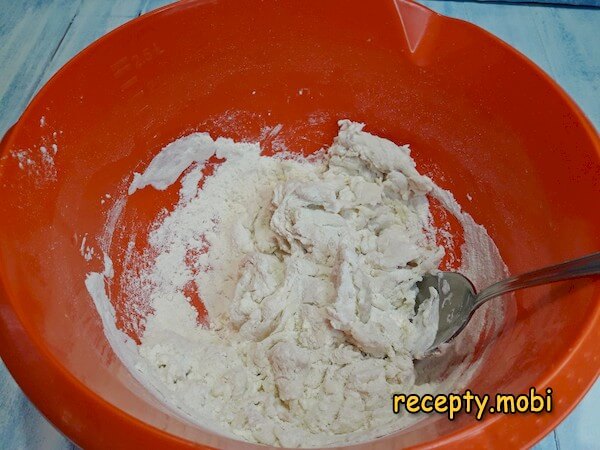
9. Then transfer the mixture to a work surface and knead it with your hands for 7-10 minutes. The dough should be dense, firm, and absolutely smooth. Depending on the quality of the flour, you may need about 10-20 grams more or less. If the dough has taken on sufficient density and no longer absorbs flour, it is enough. It is important that the kneading is firm, like dumpling dough, because soft dough will spread during rolling with butter and will not hold the butter inside.
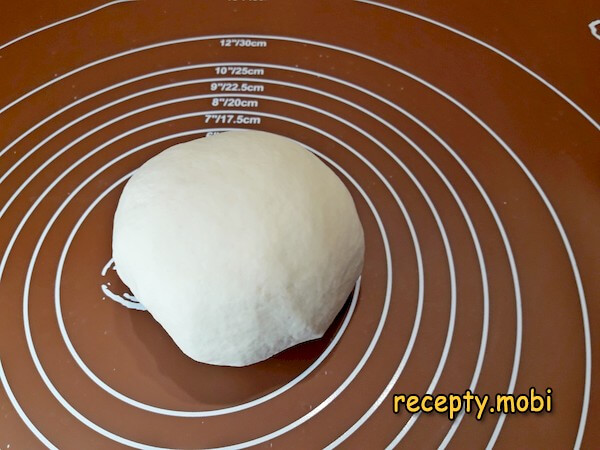
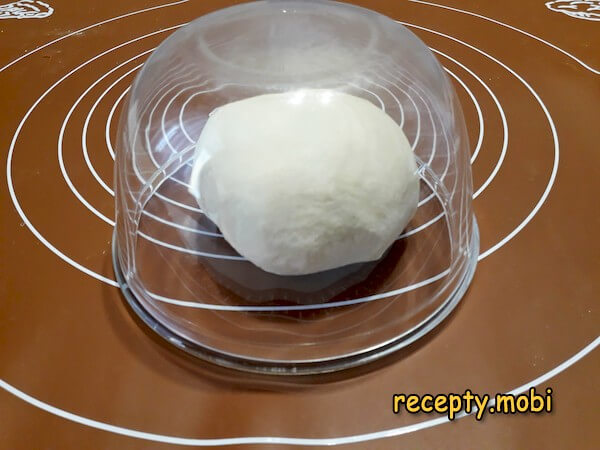
10. Let the dough rest for half an hour, covering it with a bowl.
11. Next, start layering the dough. For this, slightly dust the table with flour. Roll out a rectangle, based on the size of the butter block. There should be enough space to fit 2 squares with a small margin around the edges.
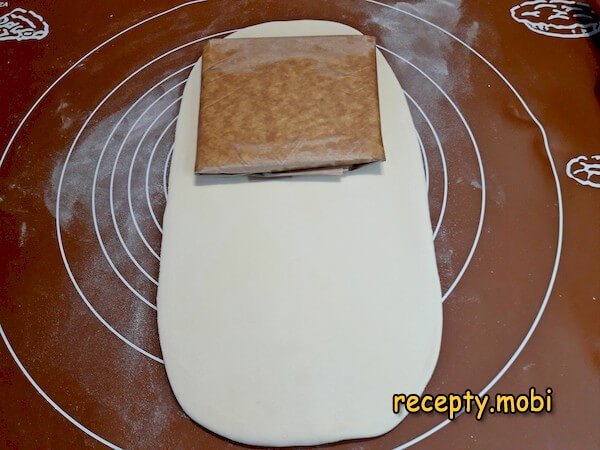
12. Now remove the butter from the paper. Place it in the center of the rectangular dough.
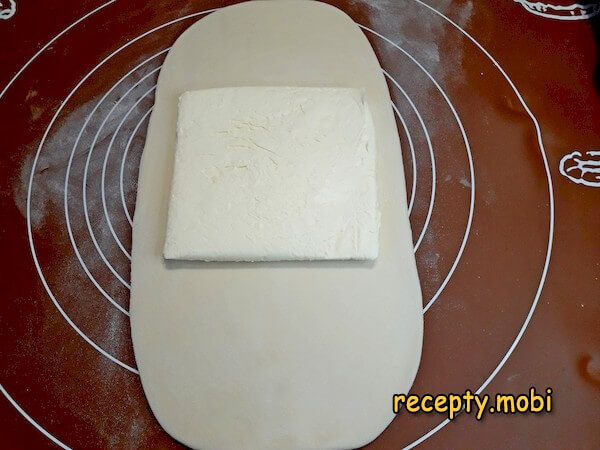
13. Connect the edges of the dough and seal them carefully.
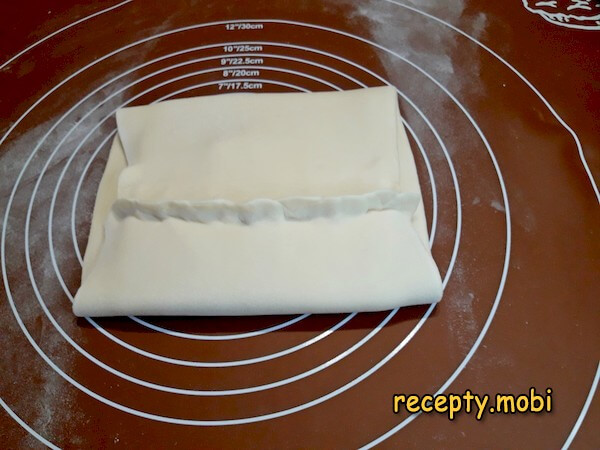
14. Gently roll out all the air, moving from the center of the dough to the sides. Any remaining air bubbles will tear the dough during rolling, causing the butter to leak out, which is not necessary at all.
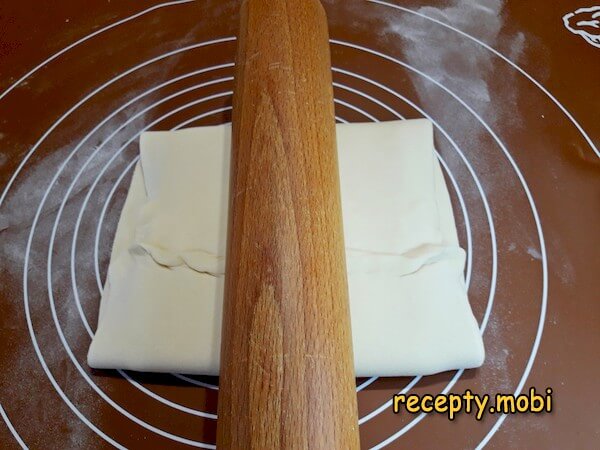
15. Firmly pinch the edges together.
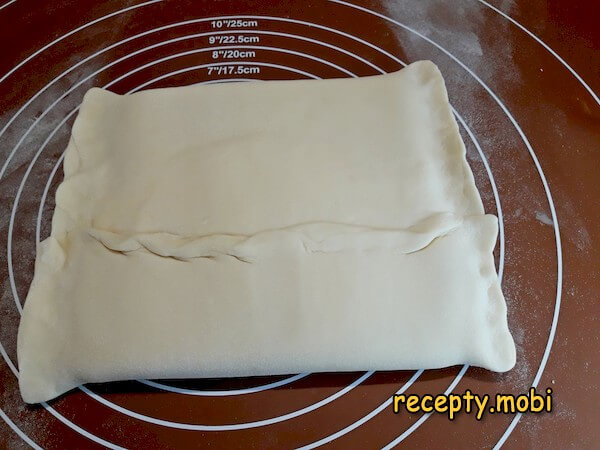
16. Roll out the dough to the size of the original rectangle, working the rolling pin only in one direction.
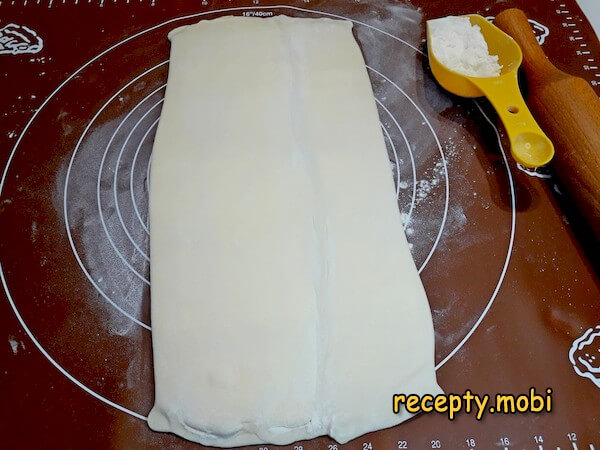
17. Start folding the dough – tuck one end, but not to the center, closer to the edge.
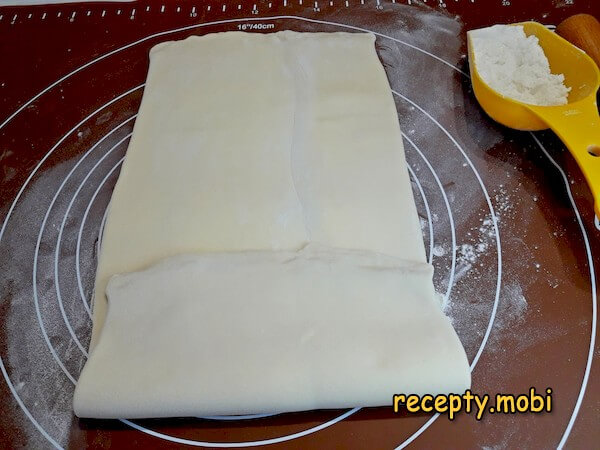
18. Fold the second end against it.
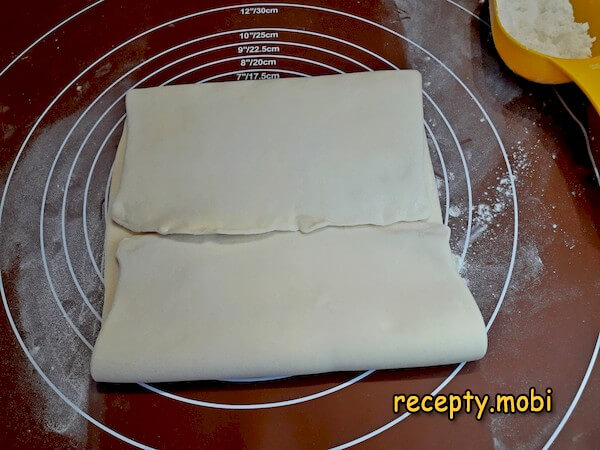
19. Now, along the seam, fold the dough in half.
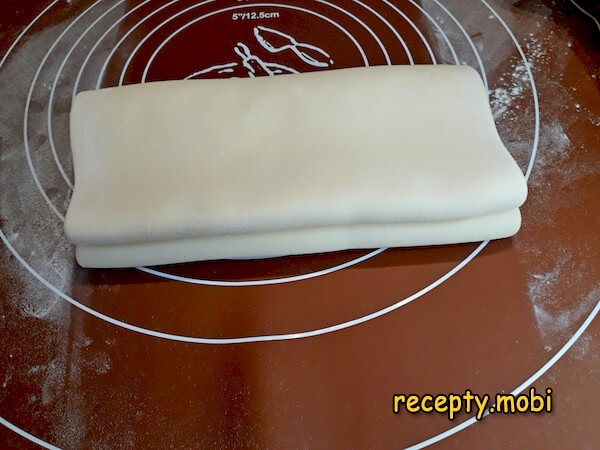
20. You have created an accordion with 8 folds, alternating with a butter layer, meaning the dough is divided into 16 layers.
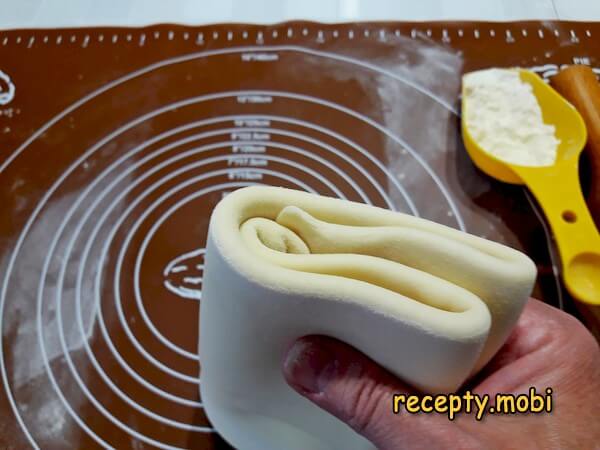
21. Wrap it in a bag and send it to the refrigerator to cool for half an hour.
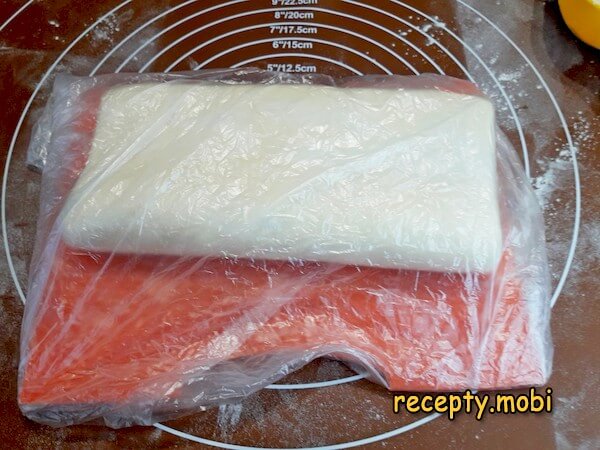
22. Then roll the dough out again into a rectangle.
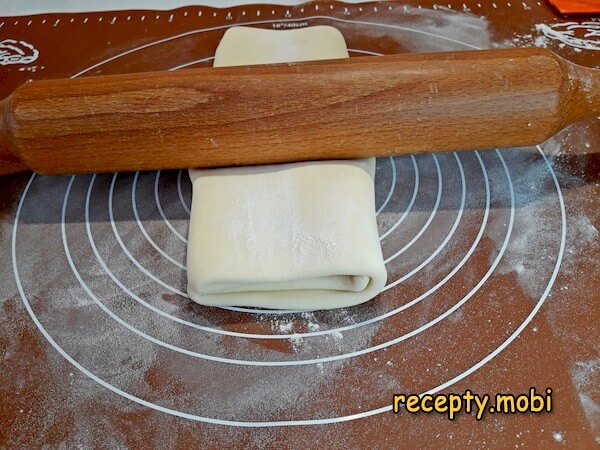
23. Fold it as before into 4 layers and place it back in the refrigerator to cool for half an hour. In total, you need to roll and fold the dough 4 times, and with each subsequent rolling, the layers will be thinner, increasing the likelihood of the dough tearing. But if you work slowly and carefully, this won't happen.
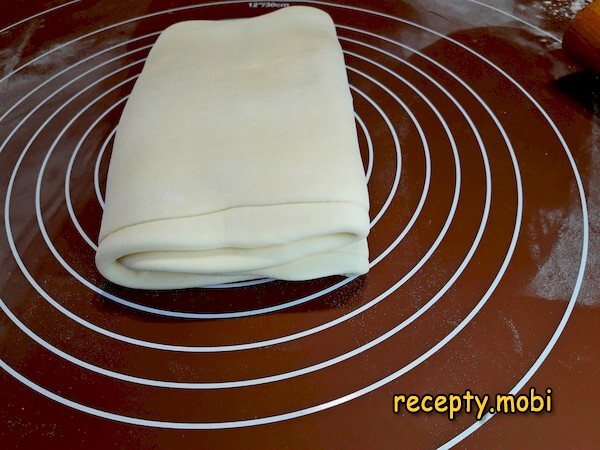
24. The weight of the finished dough by the specified proportions is 472 grams.
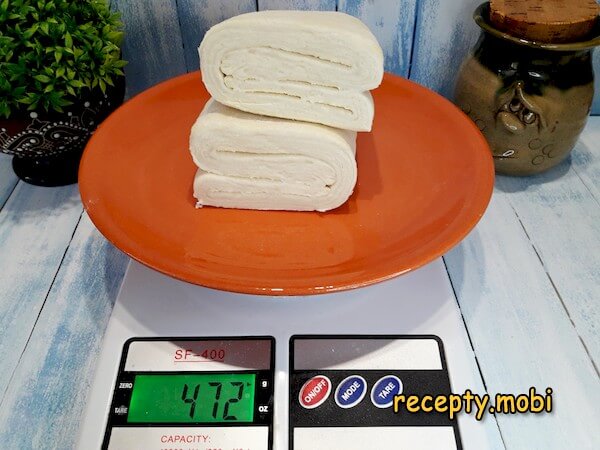
25. If you want to bake immediately from the dough, it should be kept in the refrigerator for at least an hour first. You can prepare the dough in advance and freeze it, wrapping it in a bag.
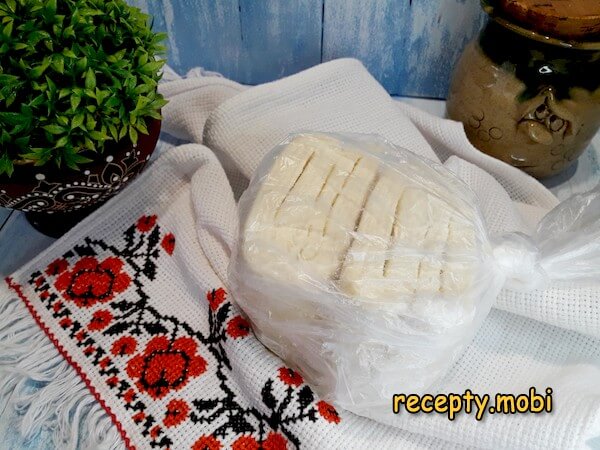
Puff pastry without yeast is suitable for baking both simple products, such as puff tongues, and more complex ones, such as Napoleon cake. Frozen dough should be thawed before baking by transferring it to the refrigerator.