avg —
Megrelian Khachapuri

Instructions
I warm the water to about 30–40 °C and stir the yeast and the sugar into it – this is the starter for the future dough. I leave it in a warm place for 15 minutes, covering the container with cling film beforehand.
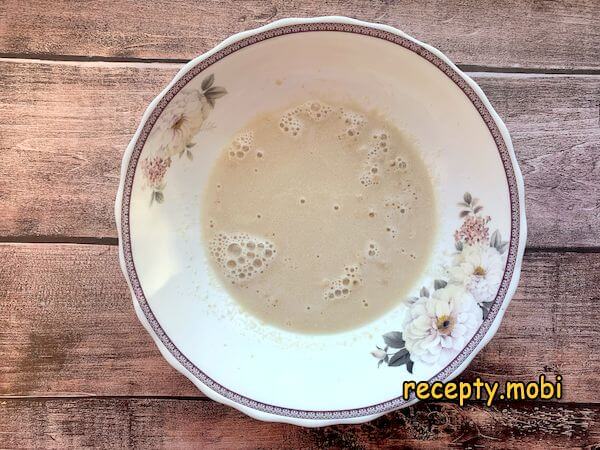
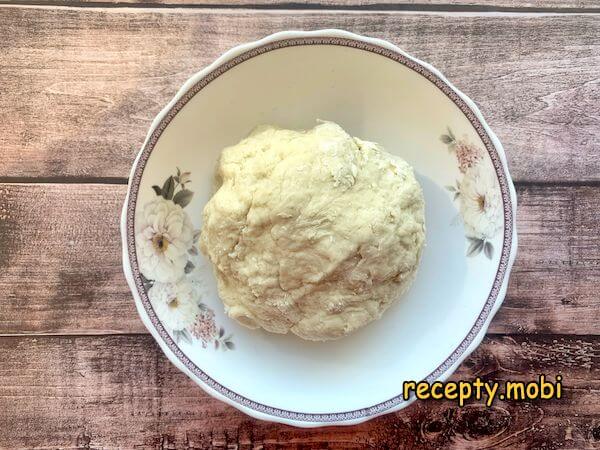
Once a "cap" has appeared on the surface of the starter, you can begin kneading the dough. I pour in the warm milk, gradually sift in the flour and add salt. While the dough is runny I stir it with a fork, and as it starts to thicken I knead it on the table. I put the dough into a bowl and let it stand in the warmth for 1.5–2 hours. Don't forget to cover the bowl with cling film so the top does not dry out.
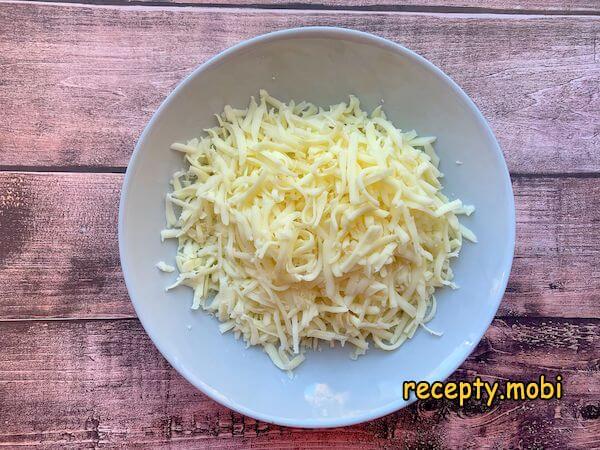
Suluguni is traditionally used in this recipe – you may try another kind of cheese. I grate the suluguni on a coarse grater.
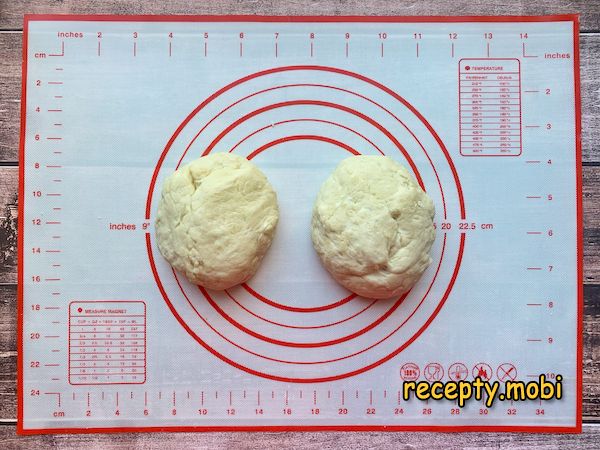
I knock back the risen dough and divide it in half. With a rolling pin I shape a thin sheet of dough 3–4 mm thick.
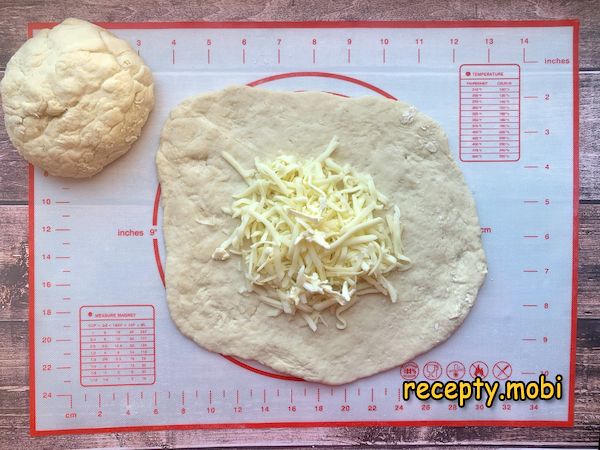
I place a quarter of the grated cheese in the centre of the rolled-out dough. Over the cheese I grate a little firm butter – it will make the filling more tender. If you are a fan of fresh greens, you can mix the cheese with spring onion, cilantro or parsley.
I bring the edges of the dough together, forming a khinkali shape, and pinch them at the top. Try to join the edges tightly so the flatbread does not fall apart.
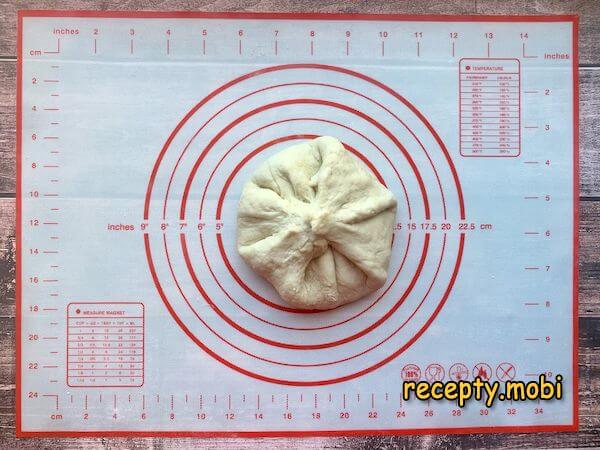
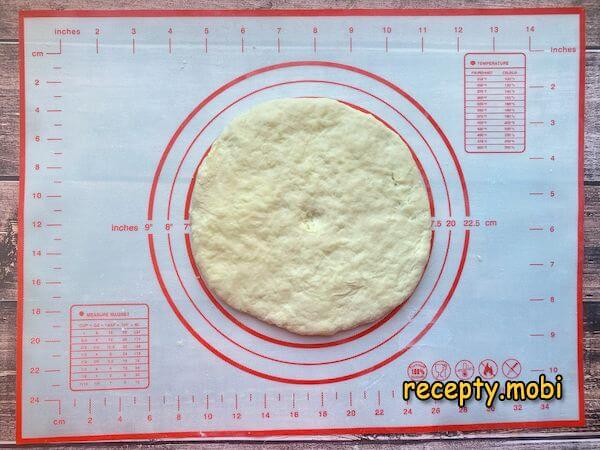
I turn the flatbread seam-side down and roll it out into a sheet. To let the air out of the filling, I make a small hole in the centre of the khachapuri. I move the flatbread onto parchment. If you are afraid of tearing it, roll it out directly on the parchment.
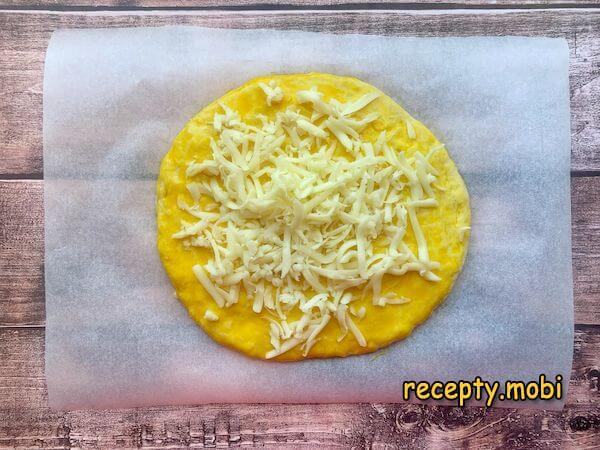
I brush the top of the khachapuri with raw egg yolk and sprinkle it generously with cheese. I put the parchment with the khachapuri onto a hot baking tray. I bake at 200 °C for 15–20 minutes, watching for it to turn golden.
I assemble the second Megrelian khachapuri in the same way. After baking, I brush the pies with butter.



Tips
- 1
SULUGUNI is a must. Plaited cheese or a large piece – the main thing is that it should be young (light in colour and elastic). Old suluguni gives too salty a result.
- 2
THE HOLE IN THE CENTRE is critical. Without it the steam cannot escape, and the khachapuri may "explode" in the oven or let the cheese out.
- 3
THE DOUBLE CHEESE FILLING is the "signature" feature of the Megrelian style: cheese inside and cheese on top. This is exactly what sets it apart from the other kinds.
- 4
BRUSH THE HOT khachapuri with butter – this gives a "glossy" Georgian finish and a delicate aroma. A similar principle works in other Georgian pies.
History
The history of Megrelian khachapuri goes back centuries. This dish was traditionally made and served at celebrations and special family occasions in Megrelia. It held a particular meaning in the local culture and was a symbol of the hospitality and warmth of the Georgian people. In time the dish became widely known and popular throughout Georgia, and then beyond its borders as well.
FAQ
What can replace suluguni? +
Alternatives: Imeretian cheese (milder, closer to suluguni), mozzarella (the Italian counterpart, but without the salty character), Adyghe cheese + 100 g of salty brynza (a combined substitute), Ossetian cheese (the twin brother of suluguni), chechil (a plaited cheese, denser). The ideal is real Georgian suluguni. In the Caucasus "Suluguni" cheese is made in Georgia, Ossetia and Armenia – all of these versions will do. Do not use Russian "creamy" or "soft" cheeses – they are too delicate for khachapuri.
Can it be made without yeast? +
It can, but the result will be different – not as fluffy. Alternatives: replace the yeast dough with a kefir-and-soda dough (1 glass of kefir + 1 tsp of soda, no yeast, no water), ready-made puff pastry (a quick option), or thin Armenian lavash (an express khachapuri). The original Megrelian khachapuri is made with yeast dough, which is important for the correct texture. For your first attempt, try the classic recipe.
How long does khachapuri keep? +
In the fridge in a closed container – 2 days. The next day the crust softens – reheat it in the oven for 5 minutes at 180 °C and the crust will "come back to life". You can use the microwave, but the crust will turn soft. You can freeze ready-made khachapuri (for up to 1 month) – defrost them straight from the freezer in the oven for 12–15 minutes at 180 °C. For raw dough with filling I do not recommend freezing, as yeast does not tolerate freezing well.
What to serve khachapuri with? +
A Georgian classic: hot, with Georgian sauces (tkemali, satsebeli, adjika). With dry red wine (Saperavi, Mukuzani) or homemade chacha. With a salad (Greek or with tarragon). With soups (kharcho, chikhirtma) instead of bread. For "meze" – with a cheese platter, olives and pickled vegetables. For children – simply with milk or kompot. For breakfast with a fried egg on top (Adjarian khachapuri, the "boat") or as a dish on its own. For a picnic it is ideal: it is delicious both hot and cold.
- Comment
or post as a guest
Be the first to comment.