Write a comment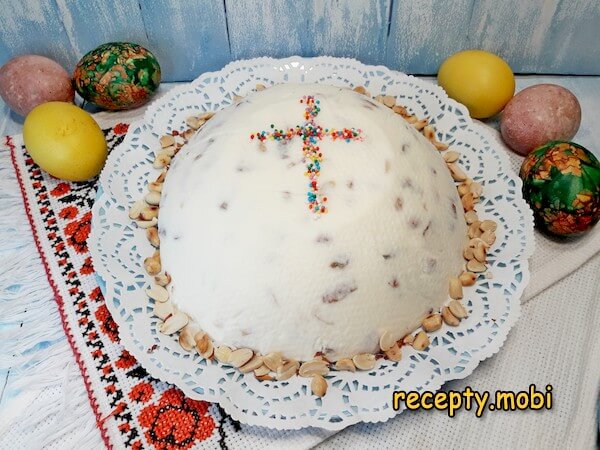
Classic Curd Easter
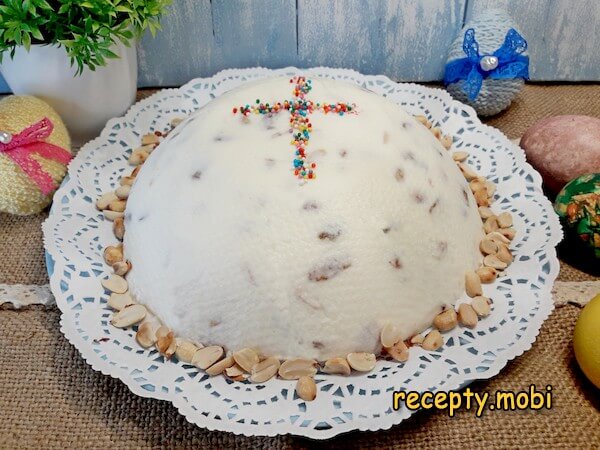
For the Bright Easter holiday, according to the ancient tradition, a classic curd Easter is a must. Its shape symbolizes Mount Golgotha – for this, there are special molds with embossed letters XB. However, in the absence of such, one can use a hemispherical strainer, which will also be associated with the iconic mountain.
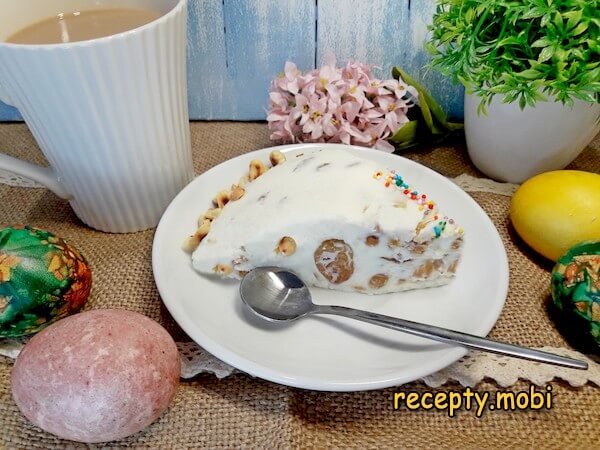
Yield: 7 servings (1200 grams).
Calories: 291 kcal per 100 grams of the dish.
Preparation time: 30 minutes + 12 hours for mass to set.
Cuisine: Russian, Belarusian, Ukrainian.
Ingredients
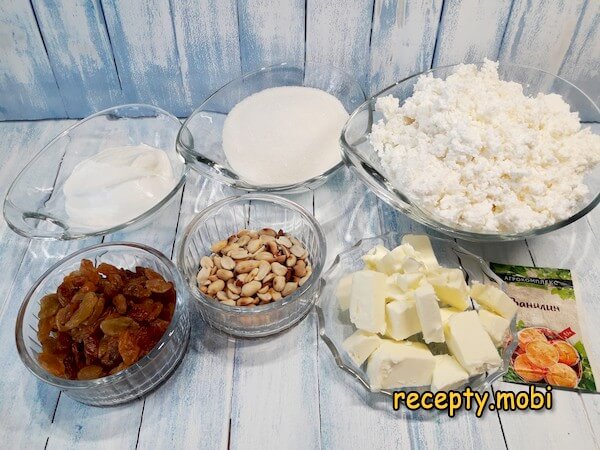
For an Easter weighing 1200 g, you will need:
- cottage cheese 9% – 600 g;
- sugar – 200 g;
- vanillin – 1 packet or vanilla sugar – 2 packets;
- sour cream 20% – 150 g;
- butter 82% – 120 g;
- raisins – 100 g;
- any nuts – 60 g.
You will also need gauze or a non-woven napkin 50 x 50 centimeters.
Preparation
1. Prepare the ingredients. For this recipe, it is not advisable to use cottage cheese with a fat content lower than 9%, but it can be replaced with homemade. The butter should also be of the highest quality with a fat content of 82%, and it should be taken out of the refrigerator in advance (30 minutes prior) to soften. Any nuts will do – walnuts, peanuts, or hazelnuts.
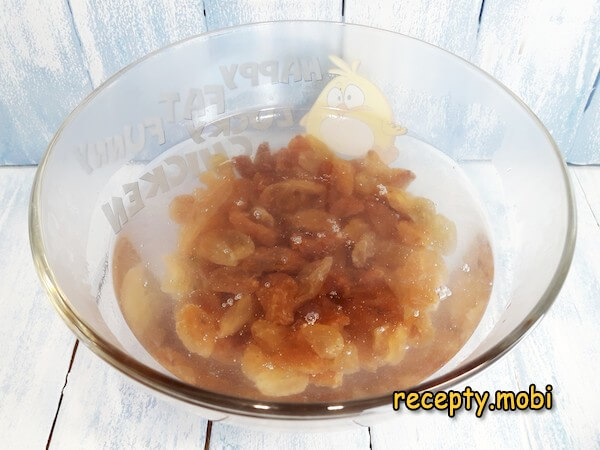
2. It is advisable to pour boiling water over the raisins for 3 minutes to disinfect and soften them.
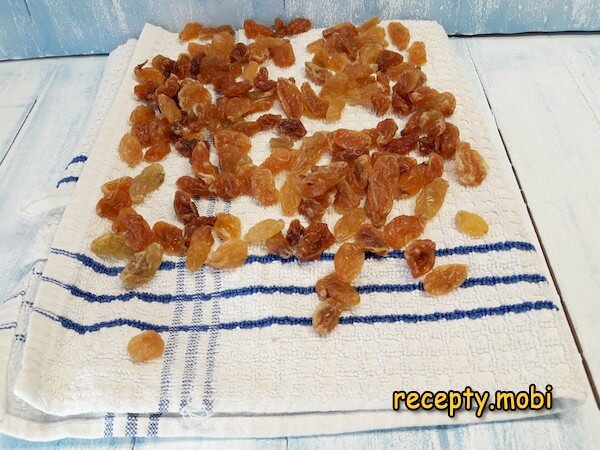
3. Then drain and dry them on a towel.
4. Add sugar together with vanillin to the sour cream. Mix well.
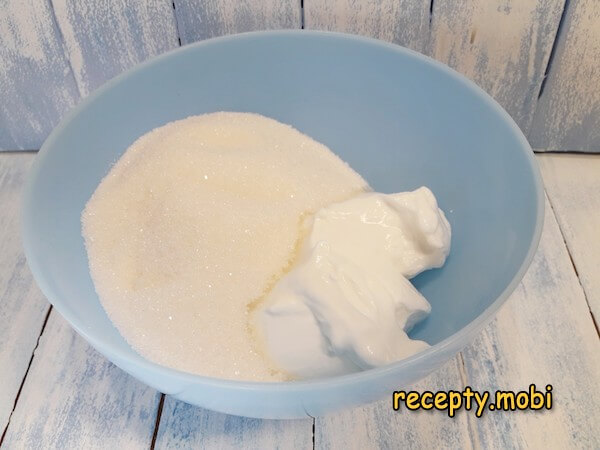
5. After about 5 minutes, most of the sugar will dissolve, while the remaining granules will dissolve further during blending.

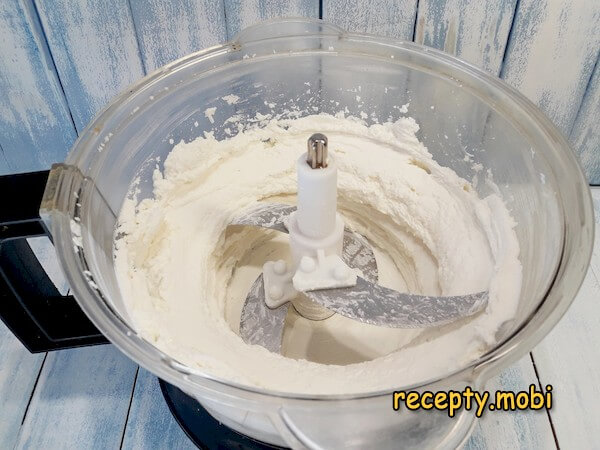
6. Now you need to turn the cottage cheese into a smooth paste. The easiest way to do this is with a blender or food processor. If that is not possible, the old reliable method of rubbing the cottage cheese through a metal strainer will suffice.
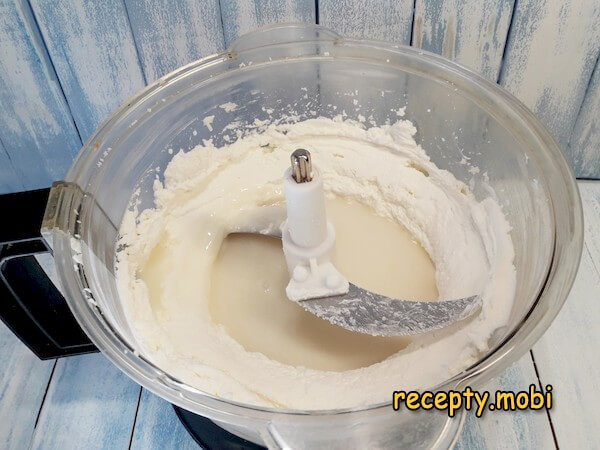
7. Add the sweet sour cream to the resulting mass.
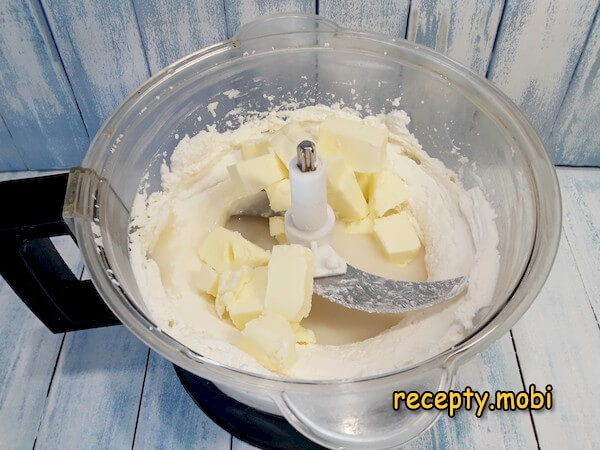
8. And together with it – the butter.
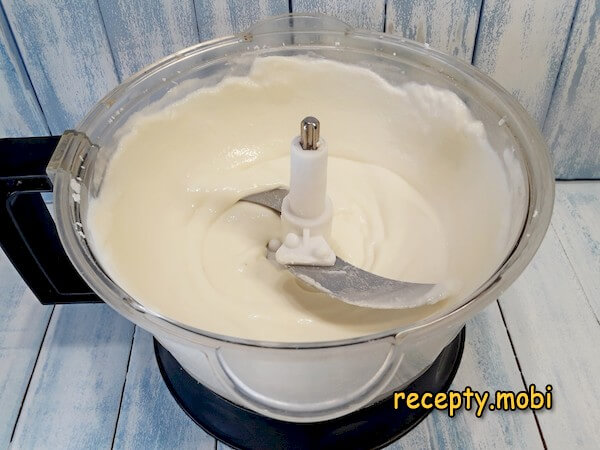
9. Blend everything again with a blender or mix manually with a spatula. The result will be a silky homogeneous paste.
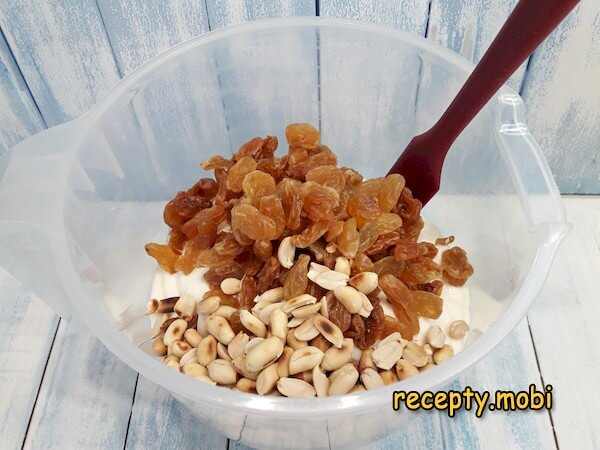
10. Transfer the mass to a deep bowl. Add the nuts and raisins. Mix to distribute them evenly throughout the mass.
11. Find a deep bowl that matches the diameter of the hemispherical strainer.

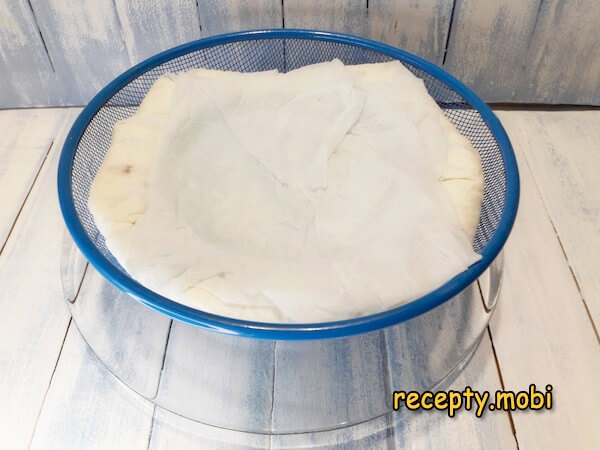
12. Place the strainer over the bowl. Pour boiling water over the gauze – this disinfects it and makes it easier to mold when wet. Line the entire surface of the strainer with gauze, leaving the ends hanging down.
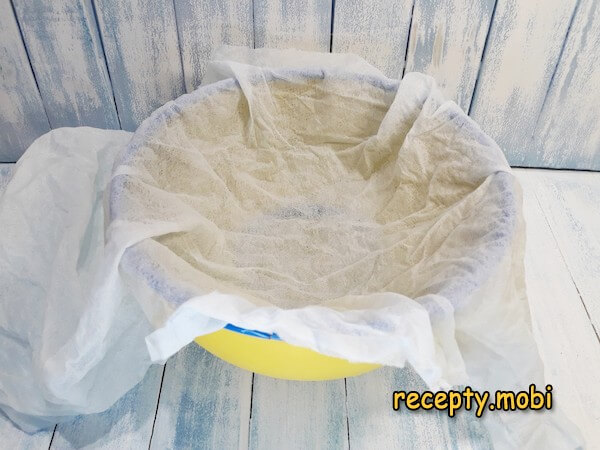
13. Spoon the curd mass into the prepared container.
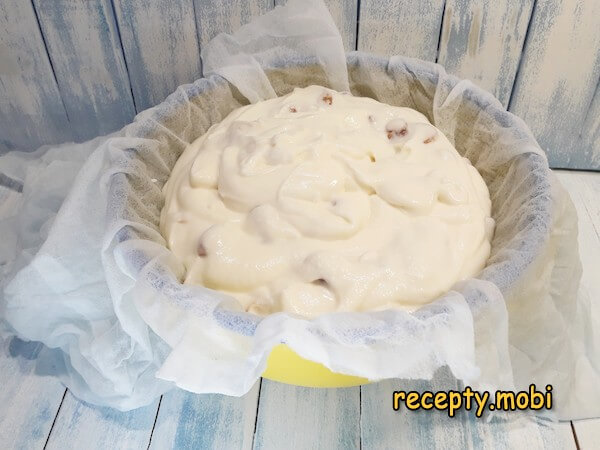
14. Gather the ends of the gauze over the top, smoothing them down carefully, and cover with a plate slightly smaller in diameter than the strainer.
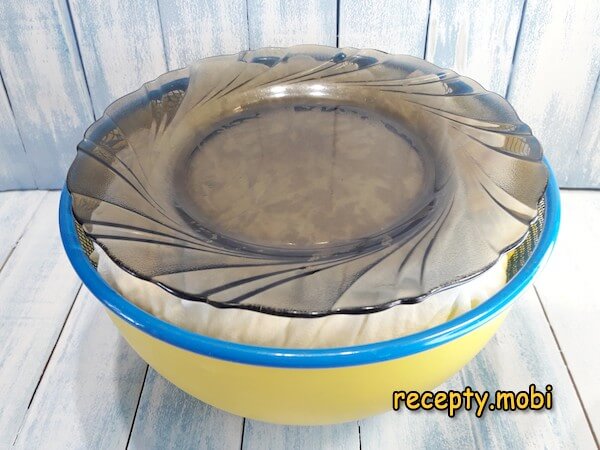
15. Place a weight on top – any bottle cap in a one-liter jar will do. Leave the structure on the table to set for 4 hours, then transfer everything to the refrigerator for 8 hours.
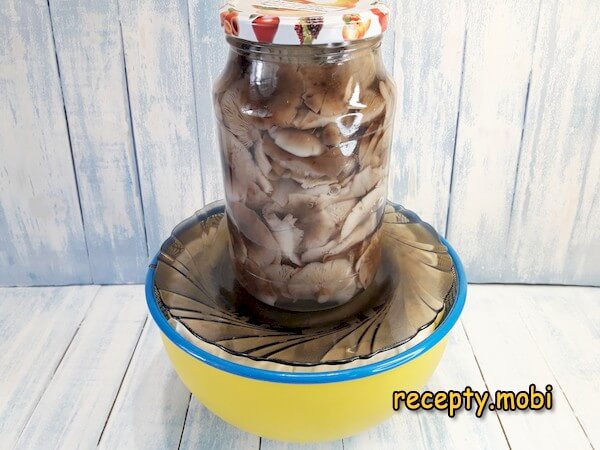
16. After the indicated time, remove the weight – the curd has significantly settled and thickened.
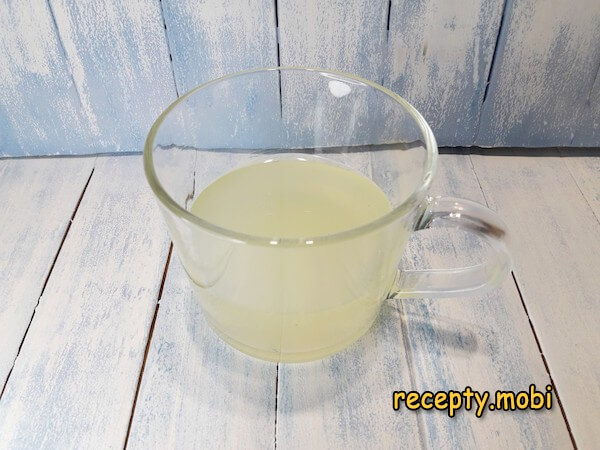
17. Drain the resulting whey (you can use it to make batter for pancakes).
18. Unwrap the gauze and turn the Easter cake out onto a dish.
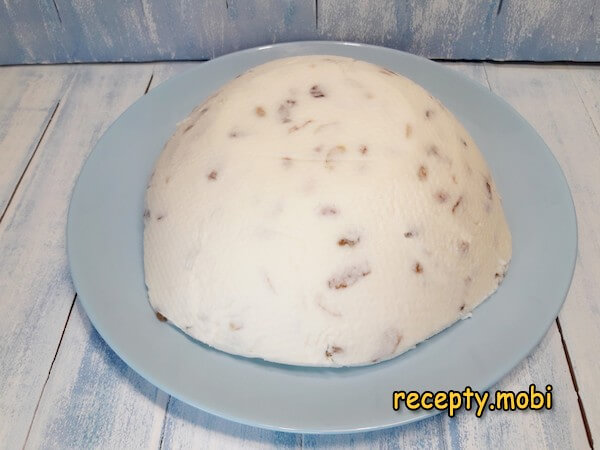
The classic curd Easter is decorated with nuts and Easter sprinkles. The delicious dense mass is a wonderful alternative to kulich and disappears from the table in the blink of an eye. Moreover, it is not only beautiful and tasty, but also healthy.