Write a comment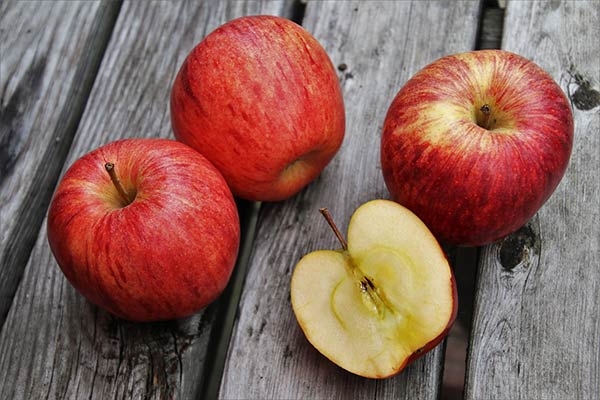
How to choose vegetables and fruits in the store or at the market
- About pesticides and nitrates
- General rules for selection
- How to choose potatoes?
- How to choose carrots?
- How to choose apples?
- How to choose cucumbers?
- How to choose tomatoes?
- How to choose cabbage?
- How to choose a watermelon?
- How to choose peaches and apricots?
- How to make vegetables and fruits as safe as possible?
Vegetables and fruits are products that are essential for the human body, as they contain a huge amount of vitamins and minerals. A person should eat about a kilogram of various vegetables and fruits daily. Where can one find so many products? The ideal option is growing them oneself in garden plots. However, not everyone has a dacha, so many have to buy vegetables and fruits in stores and markets. In this case, there is a risk of purchasing harmful products. Fruits and tubers cultivated on an industrial scale often contain toxic substances due to the treatment of crops with chemicals. For this reason, the ability to choose the right, "clean" vegetables and fruits is of great importance. How to do it?
About pesticides and nitrates
Pesticides are substances used to remove weeds, as well as as a preventive measure to prevent diseases and pest attacks. For those who grow fruits and vegetables on an industrial scale, diseases, pests, and weeds pose a danger, as they reduce the yield, and thus, money is lost. In the pursuit of a larger amount of "quality" yield, producers resort to various measures, among which is the treatment of fruits with pesticides.
Pesticides are very harmful to the human body, but they make the production of vegetables and fruits cheaper and easier, which many producers take advantage of. Pesticides can accumulate in the human body, leading to gradual poisoning and a decrease in immunity. In addition to pesticides, nitrates - fertilizers containing nitric acid - pose a danger to consumers. It is believed that nitrates themselves do not harm the body, as they are excreted with urine, but in the intestines, they can be converted into nitrites and other salts, which have harmful effects on the human body, causing cell mutation and the formation of cancerous tumors.
General rules for selection
Buy certain vegetables and fruits only during their natural ripening season. For example, tomatoes purchased in winter and late summer are strikingly different in taste. Watermelons should be bought only when they ripen under natural conditions, although the shelves are filled with this delicacy much earlier. Do not give in to temptation and buy a watermelon, as it may contain harmful substances added to accelerate ripening.
In January and February, buy white cabbage and Brussels sprouts, shallots, parsnips, and citrus fruits. In March, it is advisable to refrain from buying vegetables and fruits, as this month is not seasonal. In April, include radishes and spinach leaves in your diet. In the summer, there is a wide selection; you can indulge in tomatoes, cucumbers, red peppers, zucchini, apricots, and various berries. In September, you can eat carrots, pumpkins, zucchini, bell peppers, cucumbers, tomatoes, eggplants, apples, plums, figs, pears, watermelons, and melons. In October, the selection starts to narrow down: among the allowed are tomatoes, pumpkin, carrots, cabbage, rutabaga. In winter, you can include Brussels sprouts, pumpkin, rutabaga, leeks, persimmon, quince, pomegranate, and citrus fruits in your diet.
Be skeptical of price reductions. Usually, a seller lowers the price when they need to quickly sell off products that have started to spoil. If you decide to buy cheap vegetables or fruits, pay more attention to their selection.
People are arranged in such a way that they are attracted to everything beautiful. Vegetable and fruit sellers know this very well, so they try by all means to give products an appealing appearance. However, one should not succumb to their tricks, as vegetables and fruits that ripen under natural conditions often deviate from the "beauty" standards. They usually reach average sizes, have indentations, irregularities, and not very saturated colors. If you see a large apple of perfect shape, without irregularities, with a shiny glossy skin, in short, a real "blooming apple", walk past it. The large size and perfect shape are unlikely to be the result of Mother Nature's work; more likely, the reason lies in the generous use of fertilizers.
A beautiful glossy surface is the result of treating the fruit with paraffin and other means that prevent rot and make the produce more attractive to buyers. Along with this, the product also receives a portion of "poison." In a store or market, always pay attention to vegetables and fruits of medium size, irregular shape, with ordinary, non-glossy skin. Smell the fruit. Normally, it should have a natural smell, which is especially strong when you bring your nose close to the stem. The absence of smell indicates that the product has been treated, so it is not worth buying.
Prefer locally produced vegetables and fruits. They reach the store shelves and markets in the shortest possible time, as long transportation is not required. This means that the product is not treated with paraffin and other means to extend shelf life because it does not spoil in time. The fruit ripens in the most natural conditions – on the stem or branch, not on the road.
When choosing between several fruits, focus on their weight. Suppose you can't decide between two apples. Take each in a separate hand and estimate which one is heavier. Take the heavier one, as its weight means that it retains more moisture, indicating its freshness.
If you have any doubts about the seller's words or the quality of the products, ask for official documents containing all information about the goods.
The "most contaminated" vegetables and fruits with harmful substances are considered to be: peaches, apples and pears, strawberries, potatoes, peppers, grapes, cherries, and sour cherries. For this reason, one should be very careful when choosing these products, and it is better to completely avoid purchasing some. The "cleanest" vegetables and fruits include: pineapple, avocado, mango, watermelon, tangerines, oranges, kiwi, onion, corn, cabbage, and eggplant.
How to choose potatoes?
The most important thing to pay attention to when choosing potatoes is their color. Potatoes should not be green. The root vegetable acquires a greenish tint when sprouting and stored under light, as solanine – an organic poison – begins to develop in it. Do not buy overly large potatoes, as they may be rotten inside. Avoid buying root vegetables with many holes, which may indicate that the product has been nibbled by wireworms.
It is best to buy potatoes in bulk from people who have their own smallholdings. This way, you will have more confidence that the potatoes were not treated with "poisons" during cultivation. If you still have to buy root vegetables in a store, conduct a little test – poke the skin with a nail. If you hear a juicy crunch, you can be sure that the potatoes do not contain pesticides.
How to choose carrots?
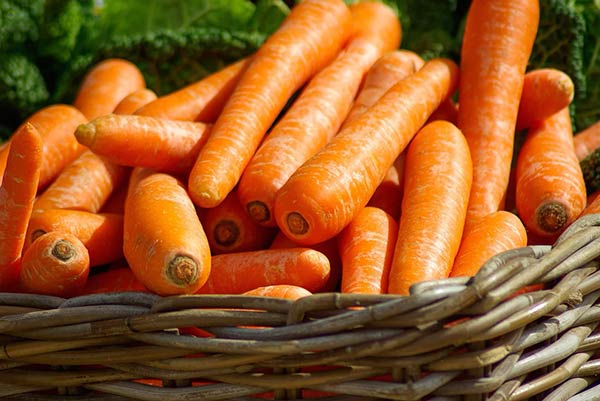
You often see giant-sized carrots in stores. Don't be in a hurry to grab such a vegetable – generous fertilizer additions were probably involved. Choose carrots of medium, "natural" size. Take the vegetable in your hands and squeeze it: it should be firm and solid. Dark spots on the surface indicate that the carrot has started to rot from the inside.
How to choose apples?
Choose medium-sized apples; overly large specimens often grow due to excessive fertilizer use. Pay attention to the skin: it should not have a glossy sheen, which is a sign of paraffin processing. You can confirm the presence of paraffin treatment with a simple experiment: fill a fruit with water, and if an oily film appears on the surface of the water, it means there was treatment. The shape of the fruit can be irregular, with bulges, which may indicate natural growing conditions.
How to choose cucumbers?
The shelf life of cucumbers is quite short – only a few weeks. For this reason, vegetables are often treated with agents that slow down the decay processes and increase shelf life. Processed cucumbers can be distinguished by their shiny, glossy surface. Such fruits should not be consumed with the skin, it should be removed. Freshness of a cucumber can be determined by the condition of the stem and the color of the skin. Softness of the cucumber around the stem indicates that it was picked quite a while ago. A yellow color also indicates this. A cucumber without seeds is not suitable for consumption as it contains many harmful substances. A good cucumber is bright green in color, has a thin, almost matte skin, and thin spines that can be easily removed with a fingernail.
How to choose tomatoes?
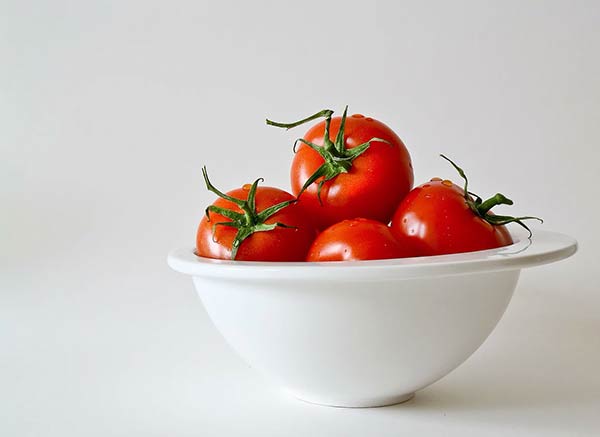
Tomatoes grown without the addition of chemicals have a thin but firm skin. If the vegetable has a thick skin resembling plastic, it means that it was grown in a greenhouse using a large amount of fertilizers and chemicals. Significant softness of the tomato indicates overripeness – such a vegetable will not withstand long storage.
Inspect the stem: a recently picked tomato will have a green and firm stem. There is a belief that the mere presence of a stem already indicates the freshness of the vegetable, but this is not quite true: in some varieties of tomatoes, the stem can be difficult to detach even from an old fruit. If possible, pay attention to the flesh: the presence of white streaks inside the tomato may indicate a disease, so such a vegetable should not be purchased.
How to choose cabbage?
Carefully examine the head. If you see trails made by caterpillars on the outside, it means that such traces are also present on the inside. However, this fact can also be interpreted positively: traces of caterpillars indicate that the cabbage has not been treated with chemicals in the fight against pests.
Take the head in your hands and squeeze: it should be quite firm. The exception is young cabbage, whose leaves are not as tightly packed together, therefore, there is looseness. Vendors often cut the upper leaves to give the cabbage a fresh appearance. Pay attention to any signs of cutting. The color of the head should be uniform; dark spots on its surface result from fungal damage, which often appears on heads saturated with pesticides.
How to choose a watermelon?
Squeeze the watermelon in your hands: if you hear a cracking sound, it means it is already ripe. Tap the watermelon: a ripe specimen will bounce back. Pay attention to the appearance. In a quality product, the color of the stripes on the skin will contrast. A ripe watermelon has a thick skin. To check the thickness, slightly prick the skin with your nail – if it punctures, it means the fruit is not ripe yet. A clear sound when tapping and a dry tip also indicate the ripeness of the watermelon.
How to choose peaches and apricots?
Ripe apricots and peaches are very juicy; when pressed, it seems that juice will flow out of them. Good fruits have a velvety skin with fuzz. Ripeness is indicated by a reddened side.
How to make vegetables and fruits as safe as possible?
Sometimes it is simply impossible to find unprocessed vegetables and fruits on the shelves, so you have to buy what is available. In such cases, products need to be made as safe as possible. How to do this?
Thoroughly wash the vegetables and fruits, trying to wash off the harmful substances with which they were treated. Some advise using soap, while others say that soap can react chemically with substances on the skin, so they do not recommend using it. Unfortunately, washing will not completely rid vegetables and fruits of pesticides, as in some products they penetrate the flesh. In many vegetables and fruits, harmful substances accumulate under the skin, so it should be peeled off with a thicker layer.
Pesticides can be removed in the following way: prepare a weak vinegar solution and dip the fruits in it for fifteen minutes, then wash thoroughly. Instead of vinegar, salt can be used. Vegetables and fruits can be soaked for a couple of hours in plain water, which will help get rid of thirty percent of harmful substances. Another option for "health improvement" of vegetables and fruits is heat treatment, but keep in mind that not all pesticides are destroyed in the process. From leafy vegetables, such as cabbage, remove the top leaves.
Nitrates accumulate more in the root of the plant, and less in the greens, so experts recommend cutting off the tips of carrots and removing the tails of beets. Beets are generally considered a "sponge," perfectly absorbing pesticides. To get rid of harmful substances that concentrate under the skin, the peel must be removed in a thick layer from both fresh and cooked products. The core of the cabbage contains the highest amount of nitrates, so it should not be eaten. When consuming melon and watermelon, do not eat the unripe flesh near the rind, as it is the area of highest nitrate concentration. Salads and greens should be consumed in the first few days, as during prolonged storage in the refrigerator, nitrates can convert into nitrites.
Particular attention should be paid to the very popular bananas. All harmful substances remain in the thick peel of the banana. For this reason, children should not take unwashed fruit in their hands. After purchase, the banana should be washed well under a strong stream of water, and only then can the peel be removed.