
 Write a comment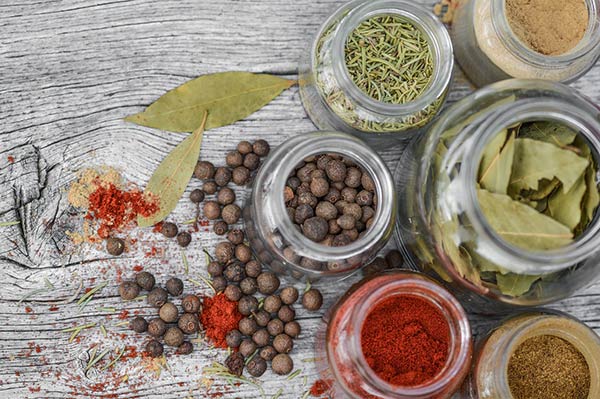
What spices, seasonings, and herbs should be in the kitchen
Since ancient times, spices and herbs have been used to enhance the taste and aroma of dishes. This is the simplest way to make a dish more appetizing. Moreover, many spices have numerous beneficial properties that positively affect health. There are many different seasonings, each imparting its aroma and flavor to the dish. A hostess skilled in the art of using seasonings correctly can prepare delightful dishes that leave no one indifferent. It is advisable for the hostess to have a complete set of spices and herbs.
Spices, herbs, and seasonings: what are the differences between the concepts?
Many believe that the terms “spice,” “seasoning,” and “herb” are synonymous; however, this is a misconception: each word has its own meaning. A seasoning refers to anything that can make a dish more appetizing. This includes spices, spice blends, ketchups, sour cream, sauces, and vegetable oils. Spices are flavor enhancers, such as sugar, salt, vinegar, and citric acid. Herbs are parts of aromatic plants, such as leaves, roots, and flowers, that give a dish a pronounced aroma and add additional flavor notes.
Bay leaf
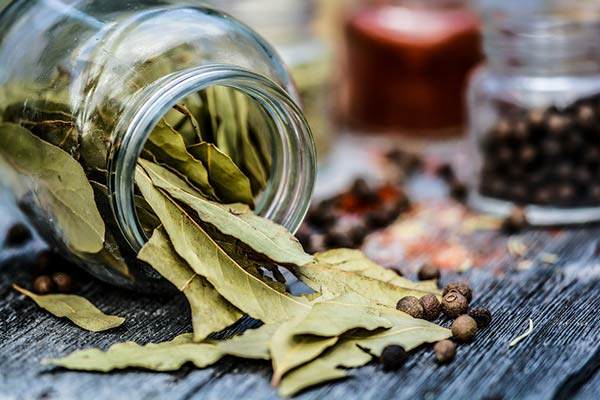
No soup is complete without bay leaf. It is also added to stews and many other main dishes. Bay leaves are thoroughly washed, added to the soup a few minutes before it is done, and removed from the pot before serving. The bay leaf must be removed from the finished dish; otherwise, it will start to release essential oils that will make the dish taste sharper.
Cumin
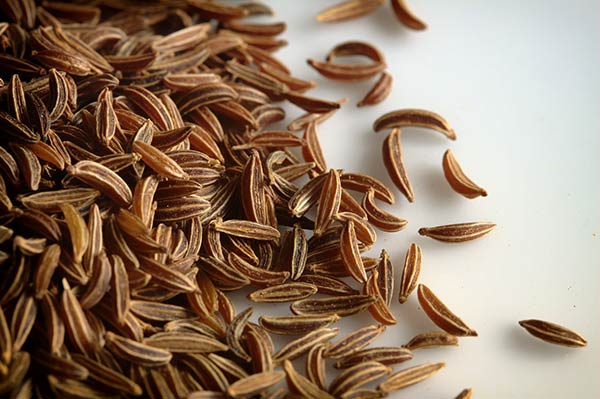
Cumin is a spice that consists of dark brown seeds in the shape of a crescent. They have a sharply sweet aroma, slightly reminiscent of pepper. Cumin is widely used in the cuisine of the East, India, and Africa. It is added at the beginning of cooking so that it has time to open up and fully impart its aroma to the dish.
Black pepper
No hostess can go long without black pepper. It is the most popular and widely used spice, often referred to as the "queen of spices." In its natural habitat, black pepper grows in India; it is harvested, boiled for a few minutes, and dried, after which the red pepper turns black. Black pepper is used both whole and ground. It goes well with almost all main dishes.
Cinnamon
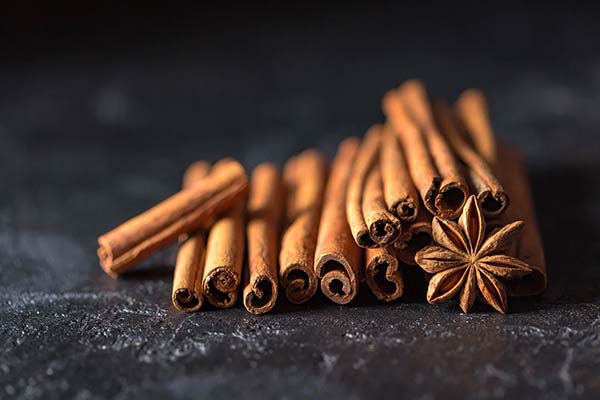
Cinnamon lowers the level of “bad” cholesterol and regulates blood sugar levels. The spice is suitable for use as a preservative: it can inhibit the activity of bacteria and fungi. Cinnamon can be added to both savory and sweet dishes. It harmonizes equally well with chili sauce, beef brisket, and pumpkin pie. The spice is widely added to various beverages: coffee and alcoholic drinks. A common combination is apple and cinnamon, used in baking.
Curry
Curry is the most famous spice used in Indian cuisine. It received its name from the leaves of the curry plant from which it is made. Curry positively affects the cardiovascular system, gastrointestinal tract, and liver. The spice is added to broths and sauces, vegetable dishes, and rice.
Paprika
Paprika consists of ground dried red pepper pods with a mild degree of spiciness. Paprika stimulates appetite, positively affecting the digestive system. The spice is one of the most important in Hungarian cuisine. It is added to goulash, meat, and fish dishes. It pairs well with pork, chicken, tomato sauce, vegetables, cheese, and seafood. Paprika is perfect with potatoes, so it is added to chips and French fries. Paprika is a natural coloring agent that also imparts a delicate aroma to the dish.
Cardamom
Cardamom contains zinc, calcium, sodium, magnesium, phosphorus, as well as vitamins A, B. In folk medicine, cardamom is widely used for expelling mucus in respiratory illnesses. The spice calms the nervous system and normalizes the functions of the gastrointestinal tract. Cardamom affects metabolism, enhancing it, which aids in weight loss. The seasoning should not be consumed by individuals suffering from stomach or duodenal ulcers. Cardamom is very popular in India, thus it is included in many traditional Indian dishes. It is commonly added to soups with legumes, fish and fish mince, alcoholic beverages (liqueurs, punches, mulled wine), as well as coffee and tea.
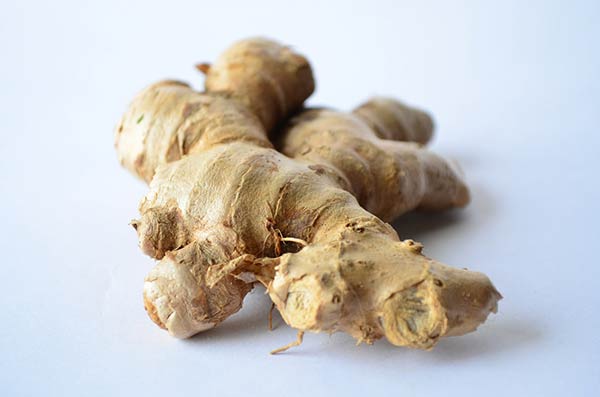
Ginger
Since ancient times, ginger has been used to treat various diseases. It helps with colds, flu, headaches, and manages nausea and vomiting. Ground dried ginger root is often added to tea. It is used to create marinades for chicken, fish, and vegetables. It is excellent for baking, and gingerbread and ginger houses are commonly made from it.
Cumin
Cumin consists of dried seeds of the herb. It contains iron, calcium, magnesium, and vitamins A, B, C, E, K. Cumin increases appetite, normalizes gastrointestinal function, and has a positive effect on the nervous system. People with stomach ulcers, duodenal ulcers, and gastritis should refrain from consuming cumin. The spice is added to canned vegetables, used in meat and poultry dishes, and also added to pilaf. Cumin is suitable for desserts, cottage cheese, baking, and yogurts. Cumin is widely used in the national cuisines of Eastern peoples. When stored for a long time, the spice begins to taste bitter, so it's advisable to use only fresh.
Coriander
With proper use, coriander can create true culinary wonders. Dried seeds of the eponymous plant are used as a spice. Coriander is considered a universal seasoning; it can be added to meat, fish, and vegetable dishes. Ground coriander loses its flavor and aroma very quickly, so professionals recommend buying whole seeds and grinding them yourself just before use.
Chili pepper
Almost every family can find someone who loves spicy dishes and is a fan of chili pepper. The spice is made from ground pods of hot pepper. Chili is added to soups and meat dishes. Be aware that chili pepper should not be sprinkled into hot oil, as it turns black and begins to taste bitter. Dietitians discuss the harms of spicy dishes, however, when consumed in moderation, the spice can be beneficial. It improves liver function and assists the nervous system.
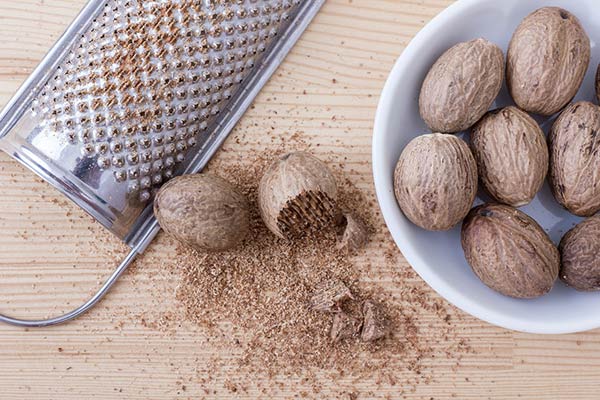
Nutmeg
Nutmeg is one of the oldest spices that was added to dishes by the Romans and Greeks. Nutmeg contains essential oils, vitamins A, B, E, H, PP, and other beneficial substances. In small doses, the seasoning positively affects the cardiovascular and nervous systems, as well as the gastrointestinal tract. Consuming a large amount of nutmeg at once (over thirty grams) can cause acute poisoning, leading to coma and possible death. For this reason, only small pinches of the spice should be added to dishes, following the recipe. Nutmeg goes well with meat, poultry, game, and vegetables, especially tomatoes. The spice harmoniously pairs with alcoholic beverages based on wine, milkshakes, baked goods, cottage cheese, and chocolate.
Allspice
The spice consists of unripe berries of allspice in dried form. They have a rich flavor that simultaneously reminds one of cinnamon, nutmeg, ginger, and cloves. Allspice is widely used for making marinades. The flavor of the spice fully unfolds in meat dishes. Whole berries are added to soups.
Basil
Basil has a distinctly expressed aroma reminiscent of clove and anise. The spice has a soft and delicate taste. The spice pairs perfectly with tomatoes, which is why it is widely used for making tomato sauces. The spice is added to pizza and salads, and it also softens the taste of meat and fish. Basil is one of the most important seasonings in Italian cuisine.
Oregano
Oregano contains iodine, magnesium, iron, as well as vitamins A, B, C, PP. The spice helps with respiratory diseases, gastritis, and nervous disorders; it also has expectorant and anti-inflammatory properties. It is not advisable to add oregano to food if individuals with heart, joint, liver, and kidney diseases will consume it. The seasoning is widely used for making homemade sausages, pâté, and ham; it is also added to dishes with meat, potatoes, and various sauces. Oregano goes well with mushroom sauces. The spice can also be used for pickling mushrooms and cucumbers. Keep in mind: oregano has a pronounced aroma that can overpower the aromas of other seasonings. For this reason, often only this spice is added to a dish.
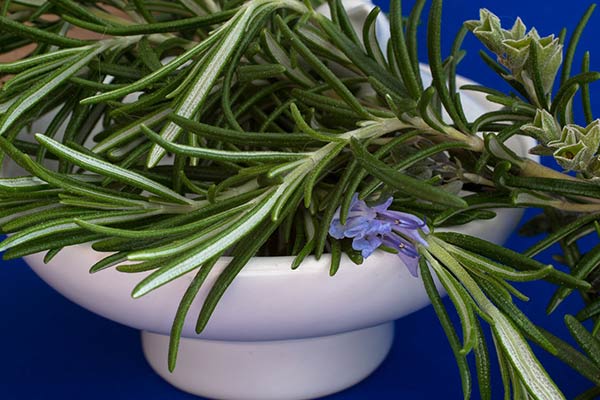
Rosemary
Rosemary is an evergreen shrub that belongs to the mint family. Externally, it resembles a fir twig, with a slightly bitter taste. Chefs most often add rosemary to meat and root vegetable dishes; it also enhances the flavor of soups or stews. The spice needs to be used correctly to achieve the best effect. Remove the needles from the stem, crush them, or chop them finely to release the essential oils and enrich the dish to the maximum. This method helps achieve a good effect while using a smaller quantity of herbs. If you add a whole sprig to a dish, the aroma will be less intense.
Marjoram
Marjoram contains pectin, rutin, carotene, potassium, magnesium, sodium, vitamins A, B, C, E, K, PP. The spice enhances appetite, normalizes gastrointestinal function, calms the nervous system, and has a diuretic effect. Marjoram should not be consumed in cases of thrombosis, thrombophlebitis, and increased blood clotting. Marjoram makes the taste of meat more tender, which is why it is often used in the preparation of sausages and minced meat. The spice harmoniously complements duck, fish, game, goose, and pork.

