
 Write a comment
What to substitute for butter in baking
Did you know that when consumed in moderation, butter can compensate for up to 20% of the recommended daily allowance of vitamins A and D, which improve skin quality and strengthen the immune system. However, what should those do who are on a diet or follow vegetarianism? Fortunately, replacing butter in the cooking process is very simple, as there are plenty of alternatives, some of which are even ideal for vegans.
1. Greek yogurt
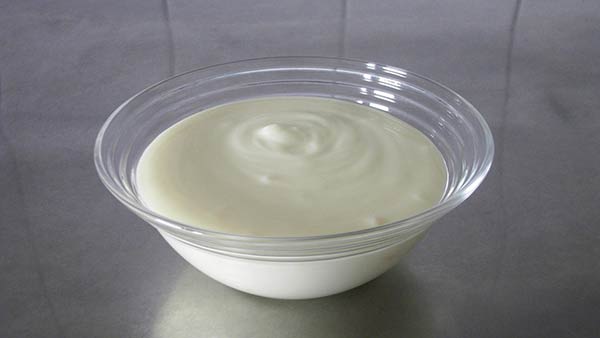
An excellent alternative for those who are watching their weight! Greek-style yogurt contains only a fifth of the calories compared to butter, but has a large amount of protein. Moreover, it is slightly cheaper: for 250 g you will pay just over 200 rubles. As for the dosage, when baking, always add as many grams of yogurt as the recipe requires for butter. And if you buy really high-quality thick yogurt, you can use it not only in cakes and strudels but also in making shortcrust pastry.
2. Avocado
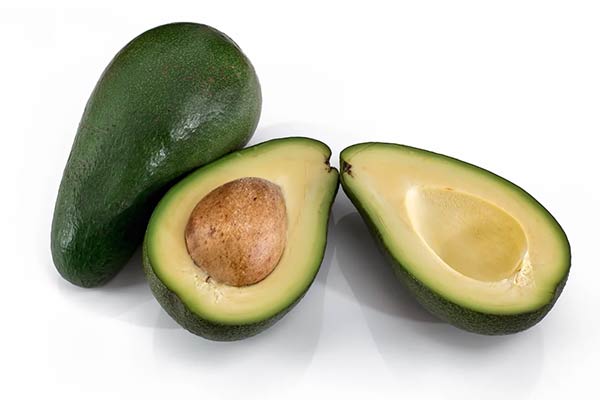
Avocado has many positive properties for our body: it slows down cell aging and positively affects the circulatory system. It contains many vitamins, including K, E, C, and B6. Avocado is also rich in healthy fats and has good satiety. Avocado paste combines well with many dishes and drinks, but it is important to follow the dosage here. On average, one avocado fills 3⁄4 of a cup, and 7/8 of a cup will be equivalent to 1 cup of butter. The neutral taste and creamy texture of avocado work well with muffins, bread, brownies and cookies.
3. Applesauce
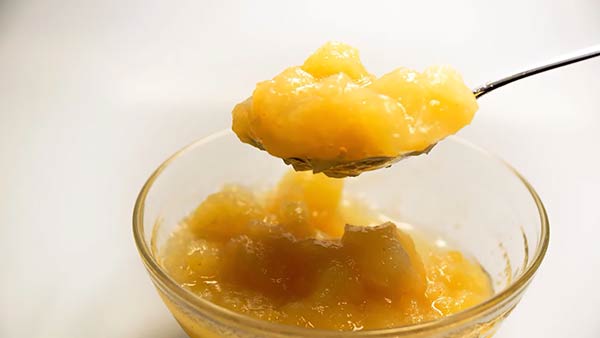
Applesauce not only replaces butter but also naturally increases the sweetness of the dish, which is especially helpful if you want to reduce the amount of sugar in the recipe. Cooked and baked apples give the dough softness and also contain fiber, which helps bind water and retain it in baking. When cooking, applesauce is taken in the same dosage as butter.
4. Pumpkin puree
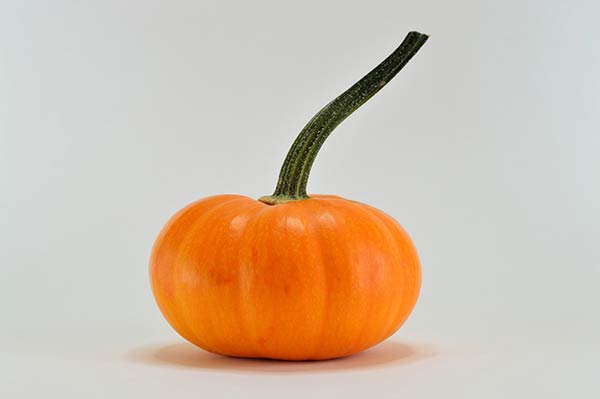
Pumpkin puree has a very specific sweet flavor that stands out especially in sweet muffins and shortcrust pastry. Additionally, pumpkin naturally gives the dish an orange color and a sweet creamy taste. But since pumpkin puree is quite dense, 100 g of butter will be equivalent to 75 g of puree.
5. Beans
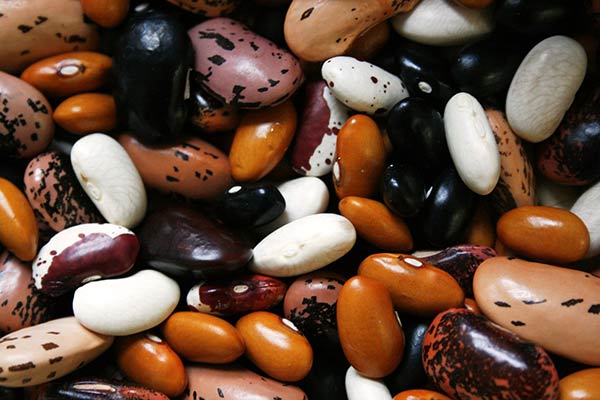
Who would have thought that beans could also be used for baking, but it’s true! Adding bean puree will reduce the fat content in the dough while increasing the fiber, protein, and other vitamins and minerals. You can use white beans for muffins and black beans for chocolate cakes and pastries. First, blend the beans and make a smooth puree. If necessary, you can add a little water (1 tablespoon) or a bit of oil (1-4 tablespoons of melted coconut or vegetable oil per 440 g of beans). As for the recipe, bean puree completely replaces butter, giving the dough the desired texture, which is especially important when making cakes, muffins, and bread.
6. Nut butter
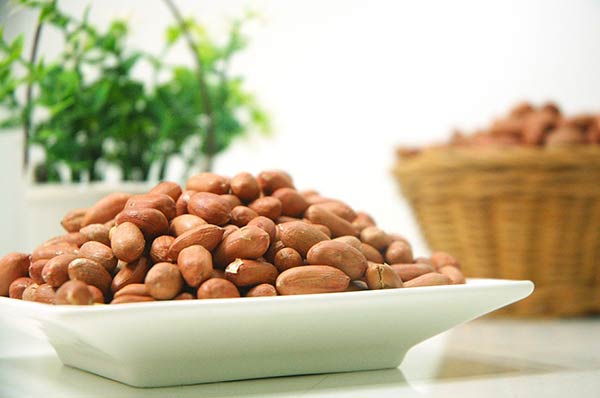
Nut butter is well-suited for recipes requiring a denser dough, such as cookies. Nuts like peanuts, almonds, and cashews will give your dish a distinctive flavor that works best in cookies, cakes, pastries, muffins, and bread. Keep in mind that walnut oil contains 50% fat compared to butter, which has about 80% fat, so it is recommended to add a little more fat. Thus, in recipes, nut butter can be replaced at a ratio of 1:1, meaning, for example, 1/2 cup of nut butter and 1/2 cup of melted coconut oil, which should be mixed until smooth.
7. Cocoa butter
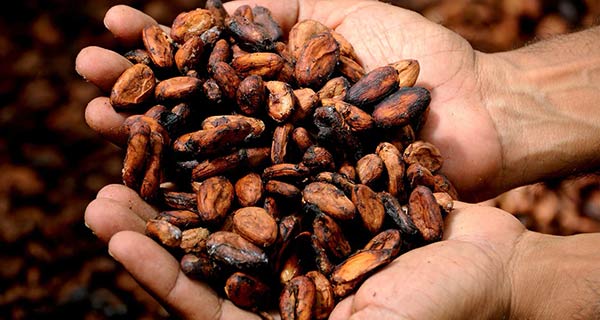
Cocoa butter is another healthy substitute for traditional butter that is great for baking. This oil contains antioxidants and supplies the body with polyphenols. Many studies show that these substances positively affect the reduction of the risk of cardiovascular diseases, strengthen the immune system, and reduce the risk of inflammation. However, when buying cocoa butter, make sure it does not contain any additives.
8. Vegetable oils
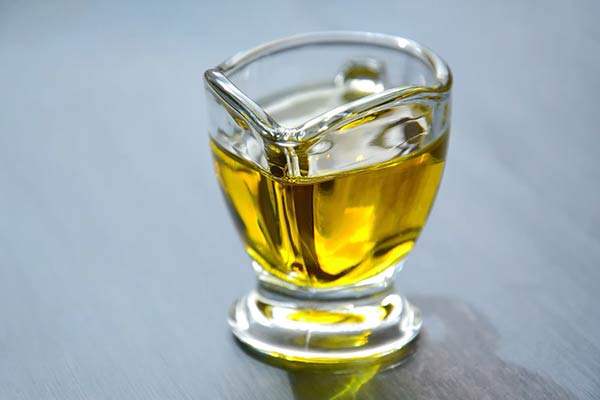
Vegetable oils are the perfect solution for replacing butter! When cooking, you can replace 100 g of melted butter with 50-75 g of sunflower, hemp, or corn oil. Moreover, they are very nutritious. To get the most benefit, carefully study the composition when purchasing, which should not contain foreign impurities.
9. Coconut oil
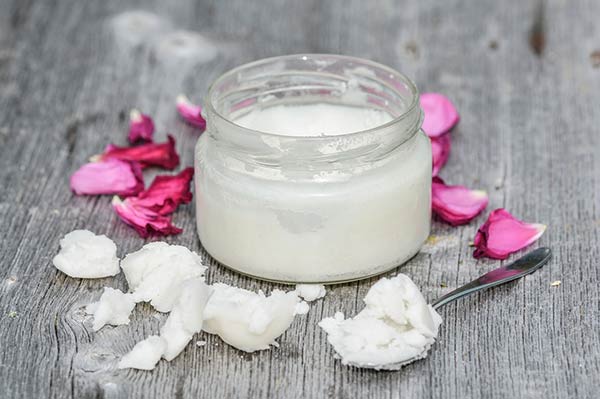
Coconut oil deserves a special mention, as it turns from solid in its natural state to liquid upon heating. Thus, coconut oil has the same properties as butter and is therefore excellent for dough. The flavor is also worth noting. In small amounts, there is not much difference in taste, but in recipes that require a lot of oil, a large amount of coconut oil can significantly change the flavor. Therefore, in this case, it is better to choose a refined option. As for the dosage, use the same amount of coconut oil as specified in the recipe for butter.
10. Olive oil
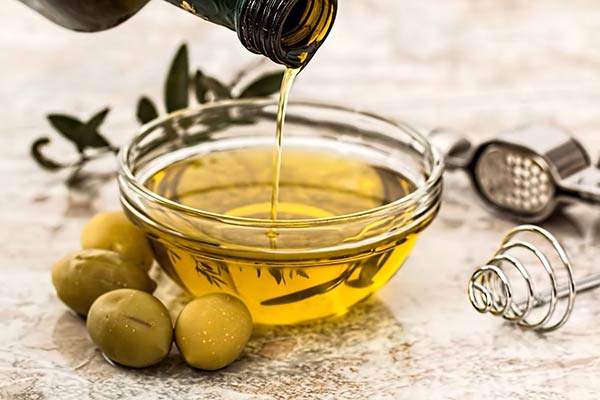
Olive oil is popular for its naturally rich flavor and the amount of beneficial unsaturated fats. However, due to its specific taste, olive oil is not always the best choice for sweet baking, so it's better to use it for bread baking, savory muffins, savory cakes, and cookies. For a neutral flavor, choose a refined option, and for a more pronounced one, select first cold-pressed olive oil. The ratio is the same as for other vegetable oils, that is, 100 g of butter should be replaced with 75 ml of olive oil. Also, keep in mind that Extra Virgin oil has a lower heat resistance, so it is only used in cold dishes.

