Write a comment
How to replace eggs in baking: reliable and proven alternatives
Eggs play a key role in baking: they bind ingredients, add structure, moisture, and fluffiness. However, for various reasons - allergies, veganism, fasting, or simply the absence of eggs on hand - there is a need for substitution. Fortunately, there are many products capable of effectively replacing eggs in various recipes.
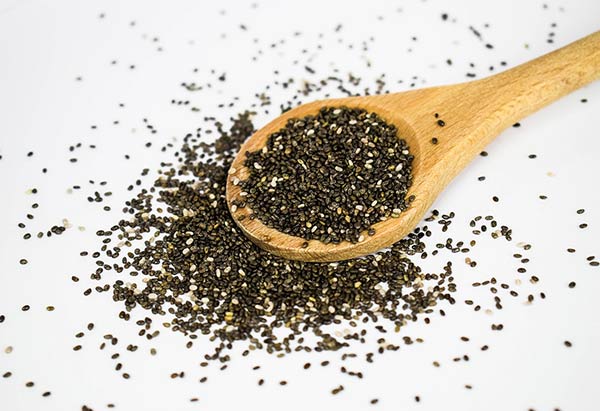
1. Ground flaxseeds and chia seeds
Flaxseeds and chia seeds mixed with water form a gel-like mass that binds ingredients well in dough.
- Proportion: 1 tablespoon of ground seeds + 3 tablespoons of water = 1 egg.
- Usage: cookies, muffins, bread.
- Features: adds a light nutty flavor and makes baked goods denser.
2. Fruit and vegetable puree
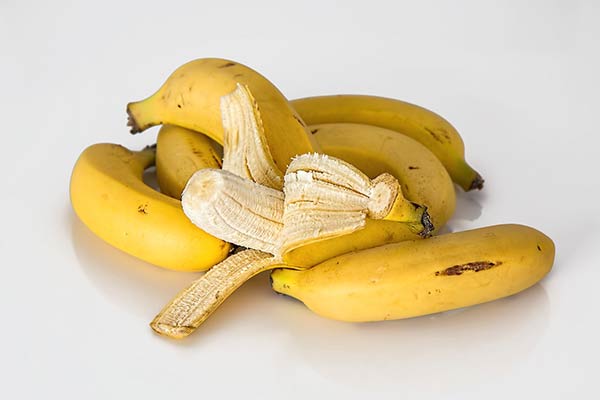
Puree from bananas, apples, pumpkin, or carrots contains pectins that help bind ingredients and add moisture to baked goods.
- Proportion: 1/4 cup (about 65 grams) of puree = 1 egg.
- Usage: cakes, muffins, brownies.
- Features: can affect the taste and color of the finished product.
3. Yogurt or buttermilk
Show ingredients
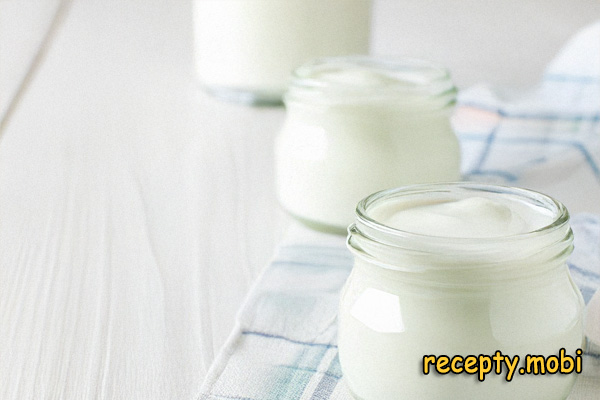
Dairy products such as yogurt or buttermilk contain proteins and fats that can replace eggs in recipes.
- Proportion: 1/4 cup (60 grams) of yogurt or buttermilk = 1 egg.
- Usage: muffins, cupcakes, pies.
- Features: better to use unsweetened options to avoid changing the taste of the baked goods.
4. Tofu
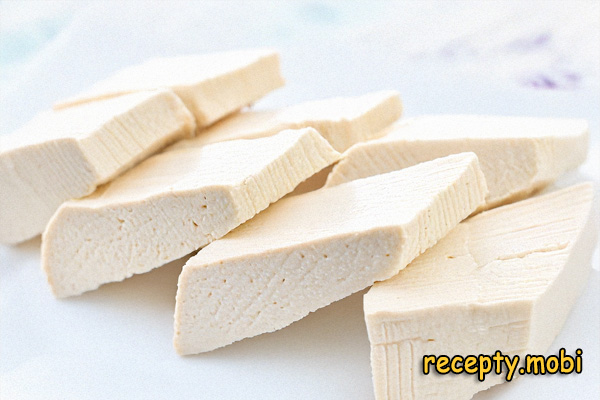
Silken tofu, blended until smooth, can serve as an egg replacement, especially in dense baking.
- Proportion: 1/4 cup (60 grams) of tofu puree = 1 egg.
- Usage: pies, brownies, bread.
- Features: adds a dense texture and neutral flavor.
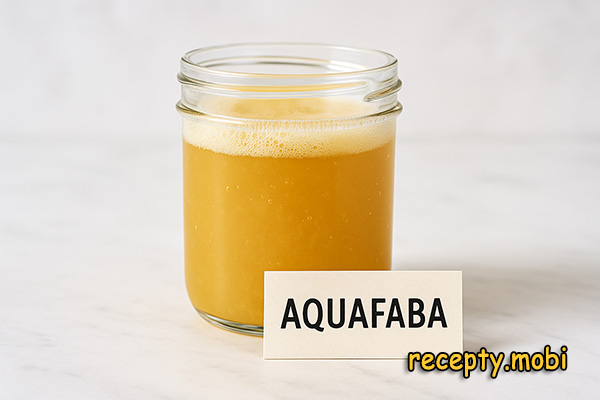
5. Aquafaba
Aquafaba is the liquid from canned chickpeas or other legumes, possessing properties similar to egg whites.
- Proportion: 3 tablespoons of aquafaba = 1 egg.
- Usage: meringues, mousses, soufflés.
- Features: whips up excellently and is suitable for recipes requiring whites.
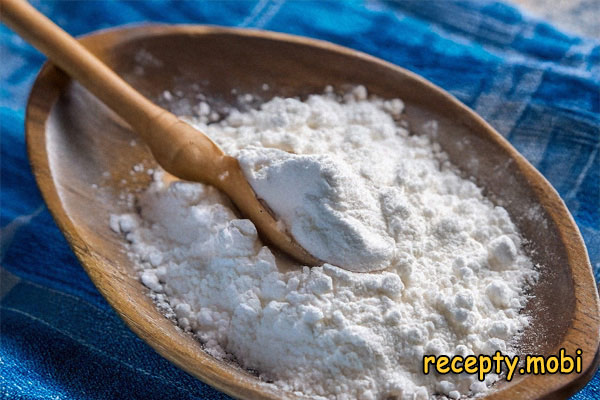
6. Starch
Potato or cornstarch mixed with water can replace eggs, providing binding functionality.
- Proportion: 2 tablespoons of starch + 3 tablespoons of water = 1 egg.
- Usage: cookies, muffins, pancakes.
- Features: does not affect the taste or color of baked goods.
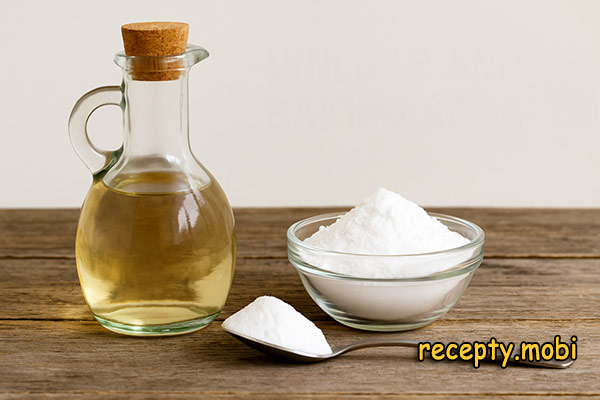
7. Vinegar and baking soda
The combination of vinegar and baking soda triggers a reaction that releases carbon dioxide, giving baked goods fluffiness.
- Proportion: 1 teaspoon of vinegar + 1 teaspoon of soda = 1 egg.
- Usage: muffins, cupcakes, quick breads.
- Features: does not affect the taste but provides a light texture.
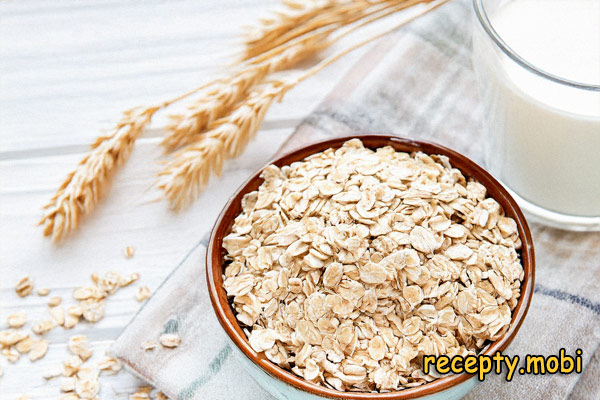
8. Oats
Soaked oats can act as a binding agent in dough.
- Proportion: 2 tablespoons of oats soaked in water = 1 egg.
- Usage: pancakes, patties, fritters.
- Features: adds extra texture and nutrition to baked goods.
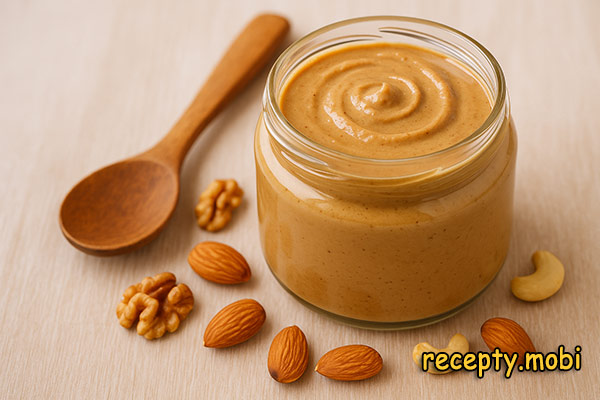
9. Nut butter
Peanut, almond, or cashew butter can replace eggs, adding fats and binding ingredients.
- Proportion: 3 tablespoons of nut butter = 1 egg.
- Usage: cookies, brownies, bars.
- Features: adds a nutty flavor and dense texture.
10. Commercial egg replacers
There are ready-to-use powdered mixes designed specifically for egg replacement in baking.
- Usage: various types of baked goods, depending on the instructions on the package.
- Features: convenient to use and provide consistent results.
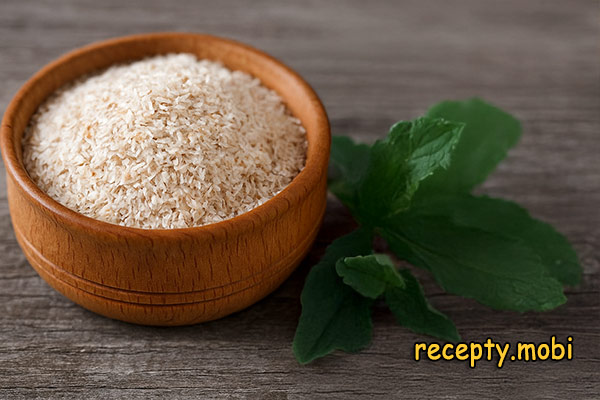
11. Psyllium husk
Psyllium is a soluble fiber that forms a gel when interacting with liquid, effectively binding ingredients. Especially popular in gluten-free baking.
- Proportion: 1 teaspoon of psyllium + 3-4 tablespoons of water = 1 egg
- Usage: bread, muffins, pancakes, gluten-free baked goods
- Features: has no taste, but makes the texture denser and moister. It is recommended to let it sit for 5-10 minutes before adding to the dough.
Conclusion
The choice of a suitable egg replacement depends on the specific recipe and desired outcome. Experiment with different alternatives to find the optimal option for your culinary needs.