
 Write a comment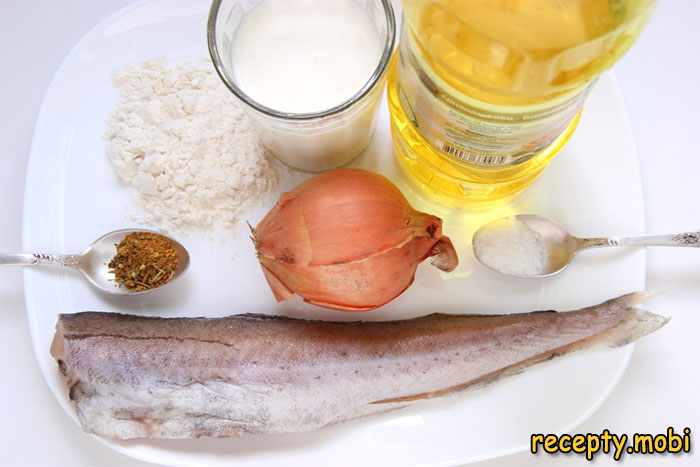
Pollock
Pollock is one of the most well-known commercial fish, which is not very popular among consumers due to its dryness that occurs after thawing. If you know some secrets and how to choose and prepare Pollock correctly, you can create a dish with excellent taste.
About the fish
Pollock is a representative of the cod family, found in the Pacific Ocean, especially abundant in its northern region. Pollock is characterized by an olive-green belly color, spots on its body, large eyes, and a protruding lower jaw. An adult individual reaches a length of thirty to ninety centimeters. On average, Pollock lives up to seventeen years, but individuals three and four years old are valued in the fishery.
The taste and composition of any fish are greatly influenced by its habitat and diet. Young Pollock feeds on plankton: protozoa, larvae, mollusks, and crustaceans. Large fish catch larger prey: squids and small fish. Despite being caught in huge quantities, Pollock is not at risk of extinction due to its very rapid reproduction.
Recommended. A simple recipe for cooking Pollock fish cakes in the oven.
Caloric content
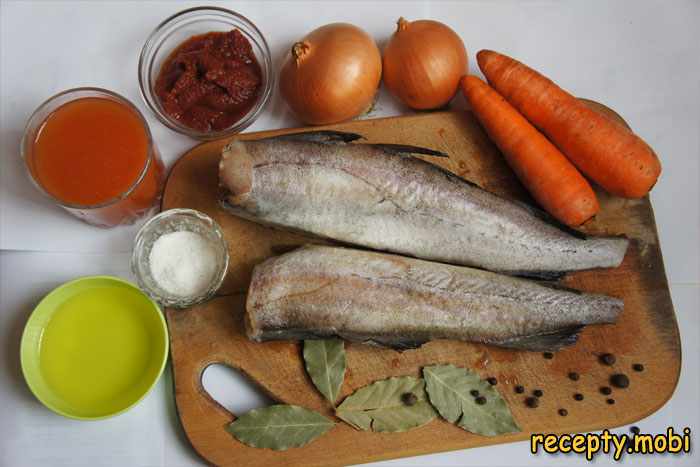
Pollock is a low-calorie fish, however, the specific caloric content varies depending on the method of thermal processing. Cooked Pollock prepared in various ways without additives contains the following number of calories:
- fried – 127 kcal;
- stewed – 75.5 kcal;
- baked – 77 kcal;
- boiled – 79 kcal;
- boiled fillet – 72 kcal.
The caloric content is also influenced by the use of various additives and sauces: mayonnaise, sour cream, and cream. If they are present in the recipe, the caloric content of the dish increases. The use of batter when cooking increases the calorie count to 145 kcal. Pollock stewed with vegetables has a nutritional value of 50 kcal. The use of cheese increases the caloric content of the Pollock dish to 100 – 120 kcal.
How to choose?
First, you need to inquire where the Pollock was caught. Fish caught in the Bering Sea near the Aleutian Islands, off the coast of Alaska, is completely safe for health, as it contains no chemicals.
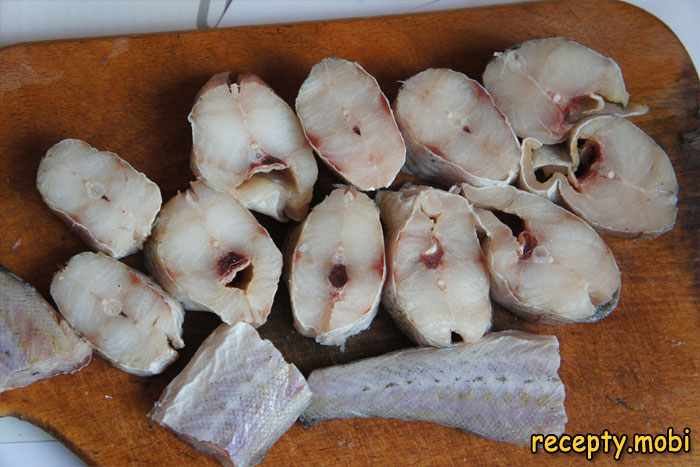
Pay attention to the fillet. Fresh fillet has a uniform white color, and it should not have dark or yellow spots, indicating oxidation of fats. Areas around the back may be pinkish. The flesh should not have a loose consistency. Fresh fish has a sweet smell, which turns sharp and unpleasant as the product spoils.
If you are purchasing frozen fillet, pay attention to the icy crust, which should not exceed four percent of the total weight of the product. When buying whole fish, check its skin: it should not have unusual colored spots and spots, and it should not be weathered and dried out. Thick scars on its surface indicate that the fish has been thawed and frozen several times, which is strictly prohibited.
Avoid buying fish in questionable places, at markets, from vendors who do not have quality certificates. Sometimes buyers are deceived by selling pangasius or tilapia instead of Pollock. These types of fish feed on waste from the bottom of the water body, so they may contain harmful substances in their composition.
Frozen fish is stored in the freezer at a temperature of eighteen degrees below zero. When storing, it is important to avoid temperature fluctuations. If the temperature changes, the fish loses moisture, becomes dry, and acquires a grayish hue. Fish should also be thawed properly. To thaw Pollock, experts recommend transferring it to the refrigerator, preferably doing this in the evening so that it thaws by morning. It should not be left at room temperature or thawed in the microwave or under hot water – the fish will lose its flavor. Dried fish is stored in suitable packaging in a cool and dry place.
How to prepare Pollock?
If you buy fillet, you won't have any problems with gutting the fish. However, whole carcasses need to be thoroughly prepared before cooking: cleaned and gutted. Pollock is covered with small scales that can be easily scraped off with a small sharp knife. After cleaning, cut off the head, slit the belly and remove the entrails, and finally cut off the fins. The bones from the fillet are removed very carefully so as not to damage the tender meat.
What can be cooked from pollock?
The white tender meat, which has a flaky texture, is used for a variety of dishes. Pollock meat can be dried, cured, salted, stewed, baked, fried, and it can be made into surimi (crab sticks), chips, and fish sticks. Pollock is used in the production of products that imitate crabs, scallops, and shrimp. This fish is also used to make minced meat, feed meal, and canned goods. In cooking, pollock roe and liver are widely used.
Pollock should be subjected to quality thermal processing. It should last exactly as long as needed for the product to be fully cooked; the fish should not be overcooked or boiled – this threatens to destroy omega-3 acids. The readiness of the product is checked with a toothpick or fork – the object should easily go in and out.
Pollock is used to make fish cakes, adding egg, salt, and spices. The patties are fried in a pan or cooked in a steamer. The fish can be fried in its pure form, previously cut into pieces and rolled in flour or breadcrumb. Most often, it is stewed to eliminate the dryness of the meat. The liver is added to salads, while the roe is eaten with bread and butter.
Recipes
Recipe 1. Pollock baked with tomatoes under a cheesy "fur coat"
Pollock baked in the oven under a cheesy "fur coat" is perfect for a festive table.
You will need the following ingredients:
- pollock – 600 grams;
- hard cheese – 170 grams;
- tomatoes – 2 pieces;
- sour cream – 100 grams;
- vegetable oil – 2 tablespoons;
- onion – to taste;
- garlic – 2 cloves;
- spices – to taste;
- lemon juice;
- pepper;
- salt.
Mix the sour cream, vegetable oil, and garlic together. Season the pollock fillet with salt, pepper, drizzle with lemon juice, and add the spices. Brush the fish with the sauce and put it in the refrigerator for three hours. Cut the tomatoes into circles and grate the cheese. Remove the fillet from the refrigerator, place it on a baking sheet, and top with tomatoes and cheese. Place the baking sheet in an oven preheated to 180 degrees and cook the dish at this temperature for fifteen to twenty minutes.
Recipe 2. Surimi at Home
Surimi are just ordinary crab sticks. They are made from minced pollock fillet with the addition of ingredients that stabilize the protein. Crab sticks are sold in every store, so it's very easy to buy them. However, surimi can also be made at home, which means you will be one hundred percent sure of their quality. Prepare the ingredients:
- pollock – five hundred grams;
- water – one hundred milliliters;
- potato starch – twenty grams;
- carrot juice;
- spices;
- salt.
Grind the pollock fillet to a paste using a meat grinder or blender. Pour in water, bring to a boil, and add potato starch. Remove the thickening mixture from the heat, add salt and spices to taste, mix, and place the mass in a mold. After cooling, color the top of the surimi with carrot juice. Homemade crab sticks are ready.
Recipe 3. Fried pollock
You will need the following ingredients:
- pollock – 400 grams;
- onion – 2 pieces;
- mayonnaise – 3 tablespoons;
- flour;
- salt;
- pepper;
- spices.
Cut the pollock fillet into portions, and the onion into half rings. Sprinkle the pieces with spices, dip in mayonnaise, and coat with flour. Arrange them in a pan with heated vegetable oil, placing onion between them. Fry the fish for a few minutes, then turn over and fry until cooked. You can add a little liquid, then the fish will be stewed.
Recipe 4. Fish Cakes
You will need the following ingredients:
- pollock – 500 grams;
- wheat bread – 100 grams;
- milk – half a glass;
- onion – 2 pieces;
- egg – 1 piece;
- flour – 5 tablespoons;
- salt;
- pepper;
- vegetable oil.
Chop the haddock, soak the bread in milk for a while. Mix the fish fillet, soaked bread, chopped onion, egg, salt, and pepper. Keep the mixture in the refrigerator for a while, then form it into patties and fry them.

