
 Write a comment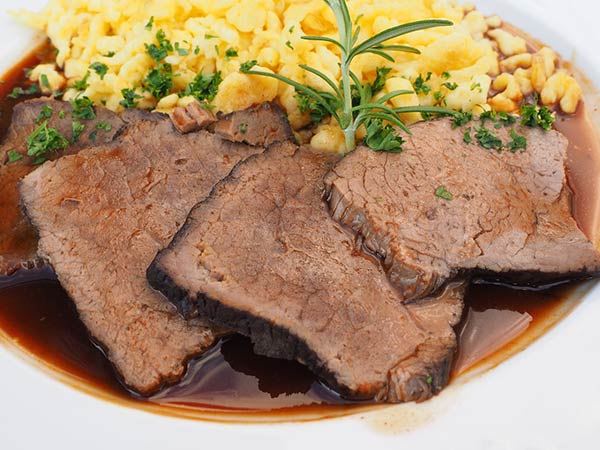
Stewing dishes: principles, rules and techniques
In everyday life, housewives use only about five standard and simplest ways of cooking, one of which is stewing. Stewing is something between boiling and frying; this method involves cooking a dish in liquid over low heat with a closed lid. Stewed dishes are almost always served with the sauces in which they were prepared, which distinguishes stewing from boiling.
Description and nuances of the process
- products are cooked in liquid – water, broth, sauce, or their own juice;
- the stewing process takes place over medium or low heat;
- throughout the process, the lid should remain closed. It’s better not to open it unnecessarily.
Types of stewing
Classic stewing involves cooking products in liquid: water, broth, or wine. There are also several other types of stewing:
- Thickening. Thickening is the slow heating of a product without using fat. Usually, it lasts for several hours, and as a result, the products become very tender, soft, and rich. Even spices and seasonings are not required.
- Braising. Braising is said to be cooking in a small amount of liquid or in its own juice. This method is usually used for the freshest soft meat, fish, watery vegetables, and fruits. The lower part of the product, submerged in water, essentially boils, while the upper part, which is not immersed in liquid, cooks by steaming.
- Stewing in oil and "confit". Confit is a French method of cooking meat and poultry, involving stewing in a large amount of oil over low heat.
Stages of stewing
- First, prepare the products and dishes. Cut the meat, rinse the vegetables, and gather all the ingredients for the sauce.
- Place the dish (cauldron, frying pan) on the fire. Pour in the oil, allow the dish to heat up, and let the oil warm. After that, fry the products: meat and fish on both sides until golden brown. If the meat releases too much juice and instead of frying it gets stewed in its own juice, add the pieces of meat to the dish gradually so that the released juice has time to evaporate.
- After frying, there will be stuck pieces of meat, fish, or other products at the bottom of the dish that you fried. These pieces are a true reservoir of flavor. Add water to the dish and scrub the bottom of the frying pan with a spatula so that the stuck pieces detach and dissolve in the broth.
- Reduce the heat. Add spices, herbs, and other ingredients. Herbs can be tied into a "bouquet," and spices can be placed in a bag, so it will be easy to remove them from the dish later.
- Cover the dish with a lid and stew it until ready.
- After the ingredients are fully cooked, bring the dish to a presentable appearance. Remove the herbs and spices if they are in a "bouquet" or in a bag, adjust the broth to the desired consistency (dilute or reduce), and add salt, pepper, and herbs.
What products can be stewed?
Almost all products can be stewed: meat, fish, vegetables, fruits, seafood. This cooking method allows you to "save" dry meat or fish that has lost its appetizing appearance during frying. Mushrooms, eggs, grains, and legumes can be stewed. It is even possible to prepare a dessert using wine and fruits through stewing.
Stewing meat
As a result of stewing, meat, whether pork, beef, lamb, chicken, or turkey, becomes soft, juicy, and tender. Most recipes involving stewed meat necessarily include spices and herbs that enhance the natural flavor of the product. Pepper, rosemary, thyme, basil, and marjoram are added.
The meat is stewed in water or broth, where, according to recipes, you can add tomato paste, sour cream, or cream. By the end of cooking, the liquid in which the meat is stewed should not completely evaporate, so that the pieces do not turn out dry. It is recommended to stew meat in cookware with thick walls, a cauldron is ideal for this purpose. Experts advise using chilled products, as frozen and thawed meat loses juiciness.
Any cuts are suitable for stewing, even those that are a bit dry and tough. The drier the meat, the more liquid and time will be needed for its preparation. To enhance the flavor, the meat is soaked in marinade for eight to ten hours, which gives it a particularly piquant taste and makes it more tender. Usually, meat is stewed together with potatoes, mushrooms, cabbage, zucchini, tomatoes, carrots, and peppers. Sometimes, apples, prunes, pears, bananas, and other fruits are added to dishes, making the final result particularly original.
The meat is cut into cubes or sticks of the size required by the dish, for example, it is cut large for stew. First, the meat is fried until a delicious golden crust is obtained, which makes the product more appealing and seals in the juices. Before this, the meat is dried with a paper towel to remove excess moisture, which would otherwise cause it to boil rather than brown. If the dish involves adding vegetables, they are placed in the pot only after the meat has been fried, because they release juice. Stewing occurs over low heat with a closed lid. At the very end of stewing, the lid can be removed to let some of the broth evaporate, making it richer and thicker.
Cooking time depends on the type of meat and the size of the pieces. Chicken and beef are stewed for about thirty minutes, pork and veal for forty to fifty minutes, and lamb for an hour.
Stewing fish
Any type of fish can be stewed, but professionals recommend choosing lean varieties for the dish to be as healthy as possible. Pike, flounder, tuna, burbot, carp, and cod are well-suited for stewing, as they retain a firm texture and do not fall apart in the process, not turning into a mush.
Fish goes well with a wide variety of products: with potatoes, bell peppers, eggplant, onions, garlic, tomatoes, and carrots. To enhance the flavor, lemon juice, mustard, spices, olives, and even fruits are added to the fish. Whole fish can be stewed if they are small, but larger fish are cut into pieces. Fillets are very convenient to eat.
Caution is needed with the sauce – precise dosage is required. Many chefs advise using only fish broth for stewing, without adding any spicy sauces. In stewing, your task is to maintain the structure of the fish and prevent it from falling apart. Preventing the loss of structure can be achieved through preliminary frying. Preliminary soaking of the cleaned fish in a weak salt solution for thirty minutes also helps achieve the goal. The fish is layered in the cauldron, with each layer sprinkled with spices and herbs. The fish is stewed for forty minutes over medium heat.
Stewing vegetables
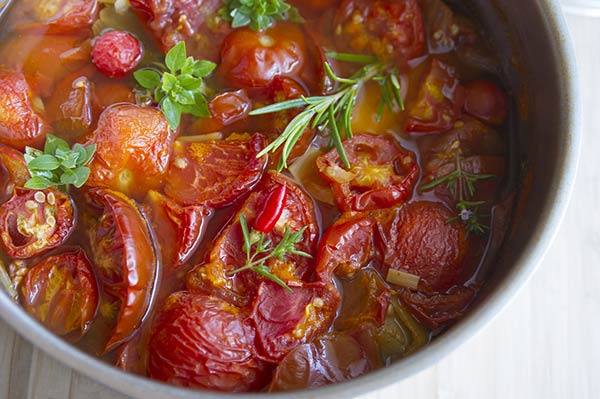
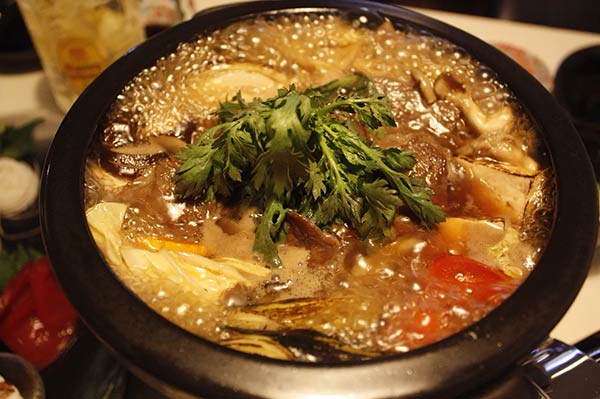
Stewed vegetables can serve both as an independent dish and as a side dish for meat or fish. Typically, when stewing juicy vegetables, very little water is added since they release a large amount of juice. It is also recommended to add very little sauce so that the vegetables do not turn out watery. On the contrary, spices and herbs should not be skimped on, as they enhance the flavor and aroma of the vegetables. Bay leaf, dill, parsley, cloves, oregano, thyme, and many other spices are used.
To begin with, vegetables should be thoroughly washed and peeled, if necessary. All preparations should be done just before starting to stew, so that the vegetables do not dry out or darken. If you start preparing in advance, keep the peeled vegetables in a pot of cold water. The vegetables can be cut in any way, this solely depends on your preference. The vegetables are pre-fried. If you prefer to do without vegetable oil, you can cook the vegetables in their own juice for a few minutes (this is called "blanching").
Each vegetable requires its own time to become fully cooked, so not all vegetables should be added to the cooking pot at the same time. A long and excessive stewing process will ruin the taste of the dish. Carrots, white cabbage, broccoli, and eggplants take about twenty to thirty minutes to cook, so these vegetables are added first. Onions, cauliflower, and beets cook for fifteen minutes, while green peas and sweet peppers take ten minutes. Young zucchini and tomatoes require very little time to cook, so they are added at the end. It is important to maintain the same temperature during stewing so that the vegetables simmer slowly. A universal vegetable dish is vegetable stew.
Stewing seafood
Seafood is most often fried or boiled, however, a delicious dish can also be prepared by stewing it with various spices. Octopuses, shrimp, squids, and mussels become tender and juicy when stewed with sour cream or cream. For stewing, cooled products are suitable, while thawed ones often seem "rubbery". Seafood can be pre-fried or can be covered with water immediately, brought to a boil, and left to simmer over low heat. Spices, sour cream, or cream are added in the middle of the cooking process – as desired. Seafood requires little time for cooking, on average they cook from fifteen to twenty-five minutes. It is important to strictly follow the recommendations regarding the cooking duration; if seafood is overcooked, it will become tough and lose its flavor.
The benefits of stewed food
Stewing is one of the healthiest ways of cooking food, which is why it is especially popular among people leading a healthy lifestyle. Stewing allows for the maximum retention of beneficial substances contained in the products. Since the cooking process occurs at medium or low heat, almost all vitamins and minerals are preserved. During stewing, the tissues and fibers soften, thus plant and animal proteins are better absorbed. Some products acquire a new taste, as happens with dried plums, for example.
Secrets and tips
- Do not neglect spices. Seasonings, spices, and herbs always enrich the flavor of any dish, so do not disregard them in the stewing process.
- Try to use broth. It is always better to use a liquid with its own aroma for stewing rather than plain water. Broth can be made from chicken bones left over from roasting the bird.
- Choose the oven. Meat, fish, and vegetables taste much better when stewed in an oven, where thick-walled cookware is evenly heated from all sides, not just from the bottom, as on the stove.

